Ukrainian Strike Dismantles Russian Iskander Threat in Bryansk
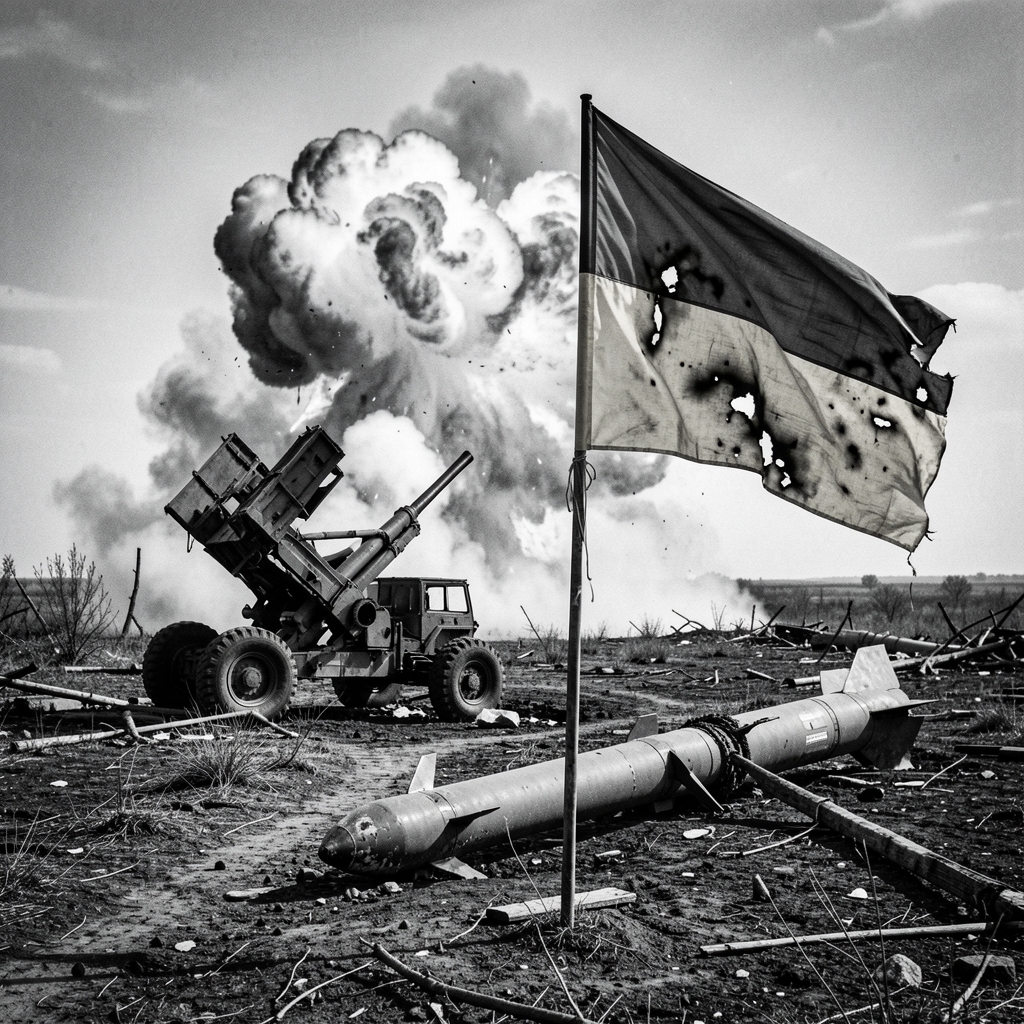
On a brisk morning in the Bryansk region of Russia, video footage released by the Armed Forces of Ukraine has sparked fresh debate over the intensity of the ongoing conflict. The recorded strike, which shows the deliberate destruction of a Russian Iskander ballistic missile launcher near the city of Klintsy, marks yet another tactical maneuver in a high-stakes war where every military asset counts. In a conflict already steeped in complex military gambits, the precise targeting of a critical missile system underscores the enduring volatility along the front lines.
The footage, shared via Ukrainian official channels and picked up by global media outlets such as Defence Blog, captures a moment that military experts suggest is symbolic of broader operational shifts. With Russian missile forces reportedly poised for a planned launch, Ukrainian operators struck at a time designed to maximize the impact of their efforts. The event has prompted a flurry of analysis that intertwines operational command judgments with geopolitical calculus—each side calculating risks and rewards on a scale that extends far beyond the immediate battlefield.
Historically, the Russian Iskander system has served as a linchpin in the country’s tactical missile capabilities. Developed to provide rapid precision strikes, the Iskander platforms have been a focal point in Russia’s military strategy. Their mobility and the advanced guidance systems they utilize have long made them formidable weapons intended to deter adversarial advances. For Ukraine, the successful neutralization of such a system not only deprives an enemy combat asset but also sends a potent signal: the capacity to challenge a critical pillar of Russian martial sophistication.
This incident is steeped in a background of strategic escalation. Since the outbreak of hostilities, both Ukraine and Russia have sought to leverage their technological, tactical, and intelligence capabilities—often resulting in dramatic shifts on the ground. The decision by Ukrainian forces to target a missile system reportedly concentrated near Klintsy speaks directly to an operational focus on diminishing the enemy’s rapid response capacity.
According to an official statement released by Ukrainian military representatives, the strike was carried out with precision and coordination rooted in an extensive planning process. The targeting of high-value assets—such as the Iskander launcher—reveals not only technical prowess but also an intimate understanding of enemy dispositions. Analysts underscore that depleting the enemy’s missile assets, especially in regions of concentrated launch capabilities, can have cascading effects on their broader operational strategy.
For those seeking to understand why this event matters, consider the following points:
- Tactical Impact: The removal of a mobile, advanced missile launcher from the battlefield reduces the range of the enemy’s rapid strike abilities, potentially altering their regional defense posture.
- Operational Significance: With Russian missile forces in concentrated areas, a successful strike not only diminishes immediate launch capacity, it complicates the enemy’s strategic deployment and readiness for future operations.
- Political Ramifications: Each military success reinforces Ukrainian resolve and international support, while simultaneously introducing fresh questions about Russia’s countermeasures and overall operational strategy.
Security and defense experts have noted that the destruction of such a system is not merely a tactical win—it is emblematic of a broader shift in energy and intention within this multifaceted conflict. Military strategists at institutions like the Institute for the Study of War highlight that operations targeting high-value enemy systems may force adversaries to rethink their force allocation and defensive protocols.
However, not every observer is unequivocal in their interpretation. Analysts caution that while the tactical blow is significant, it represents one element in a protracted and dynamic theater of war. “Every isolated strike, while impactful, is part of a larger mosaic of engagement,” explained a senior researcher at a noted European think tank on security studies. This perspective reinforces the idea that while the blow to the Iskander system is newsworthy, the evolving strategic calculus on both sides continues to play out across multiple facets of the conflict.
For policymakers, the implications extend beyond immediate battlefield considerations. With public trust and international diplomatic relations at stake, each confirmed military success may serve as a lever in negotiations on the global stage. Observers from institutions such as the Atlantic Council have indicated that events like these can recalibrate discussions around military aid, defense spending, and broader geopolitical alliances.
Looking ahead, several key factors are likely to influence the next chapter of this conflict:
- Operational Shifts: Ukrainian forces may continue to target other strategic assets if this strike is seen as both effective and operationally replicable.
- Countermeasures: Russia is expected to reassess its force protection, particularly around assets that are deemed critical to its rapid response capabilities. Adjustments in strategy or redeployment of resources could follow.
- International Response: Global reactions—especially from nations invested in European security—will be important. Enhanced support and analysis on both sides of the international community could further influence military strategies.
- Technological Adaptations: Future engagements are likely to see an uptick in the use of drones and precision-guided munitions, as both sides lean into increasingly sophisticated military technologies.
This event, while narrowly focused on the fate of one missile launcher, functions as a microcosm of the broader conflict. The tension between innovation and countermeasure, precise strike and reactive defense, encapsulates the modern reality of warfare whereby technology and strategy are inextricably linked.
In the final analysis, this dramatic strike against a Russian Iskander missile system is an exemplar of how targeted military actions can reverberate through strategic infrastructures and even influence diplomatic debates. While military operations on paper may be confined to specific geographic points, the ripple effects span internationally. One is left to wonder if, in a conflict defined by both technology and tenacity, such tactical blows might eventually draw the long-awaited reconfigurations in both military strategy and international policy.
As the world watches with bated breath, the human cost behind every video, every emblematic strike, serves as a sober reminder: in the theater of war, clarity of purpose and precision in execution are the currencies of survival. The destruction of the missile launcher near Klintsy not only marks a temporary disruption of Russian operational capabilities but also invites us to consider a broader, more enduring dialogue about the nature of modern conflict and the price of security in turbulent times.



