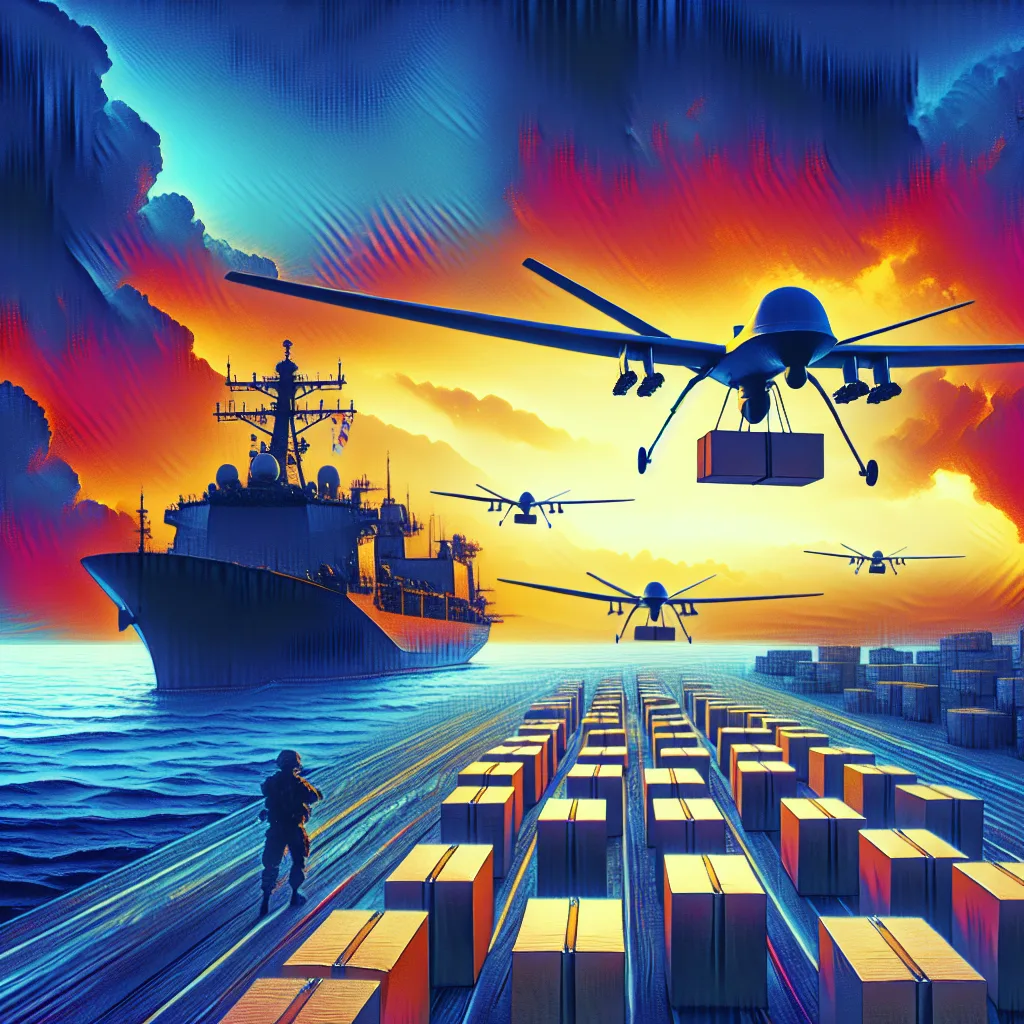
UK Warships to Employ Drones for Resupply Operations
Overview
The Royal Navy is on the brink of a transformative shift in naval logistics with the impending deployment of T-150 uncrewed aerial systems (UAS). This initiative, set to launch later this month, aims to enhance the efficiency of resupply operations across naval task groups. The implications of this technological advancement extend beyond mere operational efficiency; they touch on strategic military capabilities, economic considerations, and the evolving nature of warfare. Stakeholders, including military personnel, policymakers, and defense contractors, are poised to experience significant changes in their operational paradigms.
Background & Context
The integration of drones into military operations is not a novel concept; however, the Royal Navy’s decision to employ T-150 quadcopters for resupply missions marks a pivotal moment in the evolution of naval logistics. Historically, naval resupply has relied heavily on manned vessels, which are often vulnerable to threats and logistical delays. The T-150, with its maximum payload of 68 kilograms and a top speed of 60 miles per hour, represents a significant leap forward in addressing these challenges.
As global maritime tensions rise and the complexity of naval operations increases, the need for innovative solutions becomes paramount. The current geopolitical landscape, characterized by heightened competition among major powers, necessitates a reevaluation of traditional military strategies. The deployment of drones for resupply operations is a response to these evolving dynamics, reflecting a broader trend towards automation and unmanned systems in military applications.

Audit-ready is a season. It shouldn't be.
Evidence in spreadsheets, controls drifting between audits, frameworks multiplying on flat headcount. Nubivance runs continuous compliance on Rapid7 Cyber GRC - SOC 2, HIPAA, ISO 27001, PCI, CMMC.
End the scrambleCurrent Landscape
The Royal Navy’s upcoming deployment of nine T-150 quadcopters is a strategic move aimed at enhancing operational capabilities. These drones will be tasked with transporting essential supplies, including defense equipment and food, across various vessels within a task group. This capability not only streamlines logistics but also reduces the risk associated with manned resupply missions.
Recent advancements in drone technology have made it possible for these systems to operate in complex environments, including contested maritime zones. The T-150’s design incorporates advanced navigation and communication systems, enabling it to function autonomously or under remote control. This flexibility is crucial in modern warfare, where the ability to adapt to rapidly changing conditions can determine mission success.
Moreover, the economic implications of employing drones for resupply operations are significant. By reducing the reliance on manned vessels for logistical support, the Royal Navy can allocate resources more efficiently, potentially lowering operational costs and increasing the overall effectiveness of naval operations.
Strategic Implications
The strategic implications of deploying drones for resupply operations are multifaceted. Firstly, the enhanced logistical capabilities provided by the T-150 drones can lead to improved mission outcomes. By ensuring that vessels are adequately supplied without the delays associated with traditional resupply methods, the Royal Navy can maintain operational readiness and responsiveness in critical situations.
Secondly, the use of drones introduces new risks and challenges. While unmanned systems can reduce the exposure of personnel to danger, they also present vulnerabilities, such as susceptibility to cyberattacks or electronic warfare tactics. Adversaries may seek to exploit these weaknesses, necessitating robust countermeasures and a reevaluation of existing security protocols.
From a geopolitical perspective, the deployment of drones signals a shift in naval power dynamics. As nations invest in unmanned systems, the balance of power at sea may be altered, prompting a reevaluation of naval strategies among both allies and adversaries. The Royal Navy’s proactive approach could serve as a model for other nations, potentially leading to an arms race in drone technology and capabilities.
Expert Analysis
In analyzing the implications of the Royal Navy’s decision to deploy T-150 drones, it is essential to consider the broader context of military innovation. The integration of unmanned systems into naval operations is indicative of a larger trend towards automation in warfare. As military engagements become increasingly complex, the ability to leverage technology for logistical support will be a critical determinant of success.
Furthermore, the deployment of drones for resupply operations may catalyze further advancements in drone technology. As the Royal Navy gains operational experience with the T-150, it is likely that lessons learned will inform future developments in unmanned systems, leading to enhanced capabilities and applications across various military domains.
However, it is crucial to approach this technological shift with caution. The reliance on unmanned systems must be balanced with a comprehensive understanding of their limitations and vulnerabilities. As military analysts, we must advocate for a holistic approach that considers not only the benefits of automation but also the potential risks associated with increased reliance on technology in warfare.
Recommendations or Outlook
To maximize the potential of the T-150 drones and ensure their successful integration into naval operations, several actionable steps should be considered:
- Invest in Cybersecurity Measures: As drones become integral to military operations, robust cybersecurity protocols must be established to protect against potential threats.
- Conduct Comprehensive Training Programs: Personnel operating and maintaining these drones should undergo rigorous training to ensure proficiency and readiness in various operational scenarios.
- Foster Interoperability: Collaboration with allied nations on drone technology and operations can enhance collective capabilities and strengthen partnerships.
- Evaluate Operational Effectiveness: Continuous assessment of drone performance in real-world scenarios will provide valuable insights for future developments and operational strategies.
Looking ahead, the Royal Navy’s deployment of T-150 drones may serve as a catalyst for broader changes in naval logistics and operational strategies. As other nations observe the outcomes of this initiative, we may witness a shift towards increased investment in unmanned systems across global naval forces.
Conclusion
The Royal Navy’s decision to employ T-150 drones for resupply operations represents a significant advancement in naval logistics, with far-reaching implications for military strategy, economic efficiency, and geopolitical dynamics. As we stand on the precipice of this technological evolution, it is imperative to approach the integration of unmanned systems with both enthusiasm and caution. The future of naval warfare may very well hinge on our ability to adapt to these changes, and the lessons learned from this initiative will undoubtedly shape the course of military operations for years to come. How will other nations respond to this shift, and what new challenges will arise in the ever-evolving landscape of maritime security?



