On the Front Lines of Deterrence: U.S. Warships Bolster Israeli Defense Against Iranian Missile Salvos
In a dramatic display of transatlantic military cooperation, U.S. Navy destroyers operating in the eastern Mediterranean recently provided critical support to Israeli defense forces. Amid rising tensions and a volatile regional landscape, these American warships played an instrumental role in intercepting multiple ballistic missiles launched by Iranian forces. The incident unfolded in direct response to Israeli airstrikes targeting Tehran’s nuclear infrastructure and senior military leadership—a move that has set alarm bells ringing among regional and global security experts.
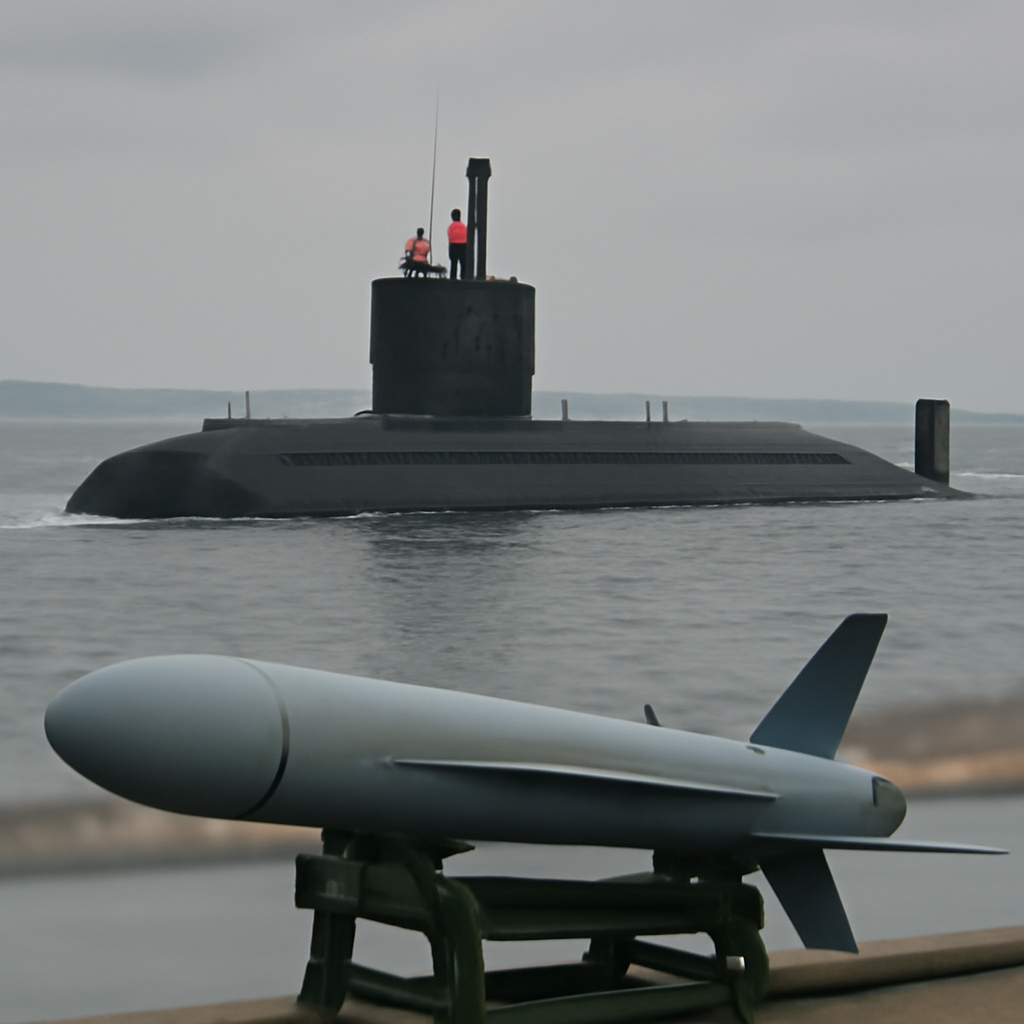
According to reports from Defence Blog and corroborated by several defense officials speaking on the condition of anonymity, one U.S. destroyer engaged Iranian missile salvos using the advanced Standard Missile-3 system. This development underscores not only the technical prowess of U.S. missile defense platforms but also the deep commitment shared by the United States and Israel in deterring potential escalations in an already unstable region.
Direct eyewitnesses and defense sources described the scene as one of high tension where split-second decisions had to be made. As ballistic missiles hurtled toward strategic assets, the synchronized efforts of American and Israeli forces averted what could have been a catastrophic missive in a broader campaign of regional warfare. The deployment of the Standard Missile-3, renowned for its precision and reliability, stands as a testament to years of joint training and integration between U.S. and Israeli military capabilities.
Historically, the U.S. Navy’s presence in the Mediterranean has served as a stabilizing force during periods of heightened conflict. Over the decades, American naval forces have routinely acted as both a deterrent and a rapid response tool in areas fraught with geopolitical friction. This latest intervention dovetails into an evolving narrative where military assets are deployed not just as symbols of power, but as pragmatic solutions to real-time security challenges.
In recent years, the dynamics of U.S.-Israel strategic cooperation have deepened, reflecting mutual interests and long-standing political as well as military alliances. The incident, which unfolded over the past weekend, sheds light on the intricate balance maintained between deterrence and the risk of escalation. With Iranian ambitions to assert dominance in the region—and its weapons program being a central point of international scrutiny—the stakes are exceptionally high.
In the immediate aftermath of the missile interceptions, defense analysts have pointed to several key factors that contextualize the significance of this operation:
- Strengthened Alliance: The coordinated defense measures affirm the robustness of U.S.-Israel military cooperation and signal a united front against common adversaries.
- Technological Superiority: The successful deployment of the Standard Missile-3 system highlights not only the advanced state of U.S. missile defense technology but also the importance of continuous technological collaboration between allies.
- Deterrence and Stability: The act of intercepting hostile missile salvos sends a potent message to Iran and other regional actors regarding the high costs of aggressive maneuvers.
While details of the operation remain tightly held, the implications are clear: in a time when cryptic communications and rapid-fire decisions can dictate the balance of power, the integration of U.S. and Israeli defense systems may well serve as a blueprint for future coalition operations. Analysts from the Center for Strategic and International Studies (CSIS) have long noted that joint military exercises and shared intelligence capabilities are crucial in bridging any operational gaps that might otherwise be exploited by adversaries.
One cannot overlook the broader context—just weeks prior, Israeli forces had executed precise airstrikes on targets within Tehran’s nuclear facility and on high-ranking Iranian military figures. These calculated actions were intended to disrupt what Western intelligence has characterized as a growing military threat. In retaliation, Iran escalated by launching a series of ballistic missiles aimed at undermining the operational capabilities of its opponents, thereby thrusting the eastern Mediterranean into an instant epicenter of military tension.
The current episode is not isolated. It forms part of an ongoing maneuvering between state actors that extends beyond the immediate battlefield. Historically, interventions by U.S. naval forces in strategic regions have contributed to regional stability by deterring further escalation. The visible presence of U.S. warships near Israeli coastal defenses, coupled with their technical capabilities, creates a strategic bulwark against missed opportunities for escalation that could spiral into larger conflicts.
Expert analysis provided by figures such as retired Admiral James Stavridis, a respected strategist and former NATO Supreme Allied Commander, highlights that deterrence through demonstrable military capability is often as significant as actual engagement. Admiral Stavridis has frequently emphasized that the mere presence of highly capable forces can dissuade adversaries from testing the resolve of allied nations. Although he did not comment directly on the latest incident, his public statements in recent years have underlined the logic behind proactive defense posturing.
A key element of this narrative is the evolving nature of missile technology itself. Over the past decade, the proliferation of ballistic missile systems and their potential for rapid deployment have driven nations to invest heavily in countermeasures. The U.S. Navy’s integration of advanced interceptors, such as the Standard Missile-3, represents a response to threats that are both precise and multifaceted. These systems, designed to track and neutralize incoming targets before they can inflict damage, embody decades of research and development, and are a critical element of modern naval defense strategies.
For policy-makers and military strategists, the incident offers both a warning and a lesson. On the one hand, it reinforces the message that regional instability can rapidly escalate without swift and decisive military coordination. On the other, it demonstrates the positive outcomes that can emerge from sustained investment in interoperability and joint defense exercises. Beyond the immediate tactical success of shooting down ballistic missiles, the operation carries clear implications for future military engagements where both conventional and unconventional threats persist.
As the situation develops, several factors merit close observation:
- Policy Adjustments: U.S. defense policy experts may call for enhanced operational capabilities and real-time intelligence sharing, not only in the Mediterranean but also in other flashpoints around the globe.
- Regional Reactions: Iran is likely to assess the operation as a direct challenge, which could trigger further adjustments in its own military strategies, including the acceleration of its missile program.
- Diplomatic Maneuvering: The interplay between military readiness and diplomatic signaling will be critical. Both the United States and Israel must balance a show of strength with the need to avoid an inadvertent slide into broader conflict.
- Technological Upgrades: Continued advancements in missile defense systems and inter-operability among allied forces remain a priority to counter evolving missile threats.
Throughout this unfolding story, the human element should not be forgotten. Beyond the high-tech systems and strategic calculations are the men and women on board these warships—individuals tasked with making split-second decisions under immense pressure. Their dedication resonates with the longstanding traditions of military service, reflecting a commitment not only to national security but also to the preservation of peace in turbulent times.
The latest episode in U.S.-Israeli defense cooperation underscores a broader truth: in an era where the borders between cyber, missile, and traditional warfare are increasingly blurred, the strength of an alliance is measured by its ability to adapt, deter, and decisively respond in the face of emerging threats. Defense officials in Washington have reiterated that the support provided by U.S. forces in the eastern Mediterranean is an extension of America’s commitment to its allies and to maintaining stability in regions where volatility has become the norm.
Looking ahead, military strategists are likely to evaluate not only the immediate outcomes of this intervention but also its longer-term implications for alliance strategy in the Middle East. While both the United States and Israel remain steadfast in their commitment to shared defense objectives, the evolving technological and geopolitical landscape suggests that further instances of joint operations could become increasingly common. As new missile defense systems come online and adversaries continue to push technological boundaries, watching for incremental policy shifts and advances in defensive capabilities will be key in forecasting the regional security trajectory.
In the final analysis, the recent engagement between U.S. warships and incoming Iranian missiles serves as both a practical demonstration of military cooperation and a strategic reminder: the calculus of deterrence is as much about readiness as it is about resolve. The eastern Mediterranean has once again proven to be a theater where history, technology, and geopolitical ambition converge—a place where the decisions made in moments of crisis can shape the course of international relations.
Ultimately, the interplay between missile defense initiatives and diplomatic engagements poses a pivotal question: In our increasingly interconnected world, how does one balance the imperatives of national defense with the broader pursuit of lasting peace? As nations navigate this delicate dynamic, the lessons from the Mediterranean will continue to inform strategies and, hopefully, temper the fires of conflict with judicious resolve and mutual understanding.