Strengthening Alliances: U.S. and Philippine Forces Showcase Military Synergy in Joint Exercise
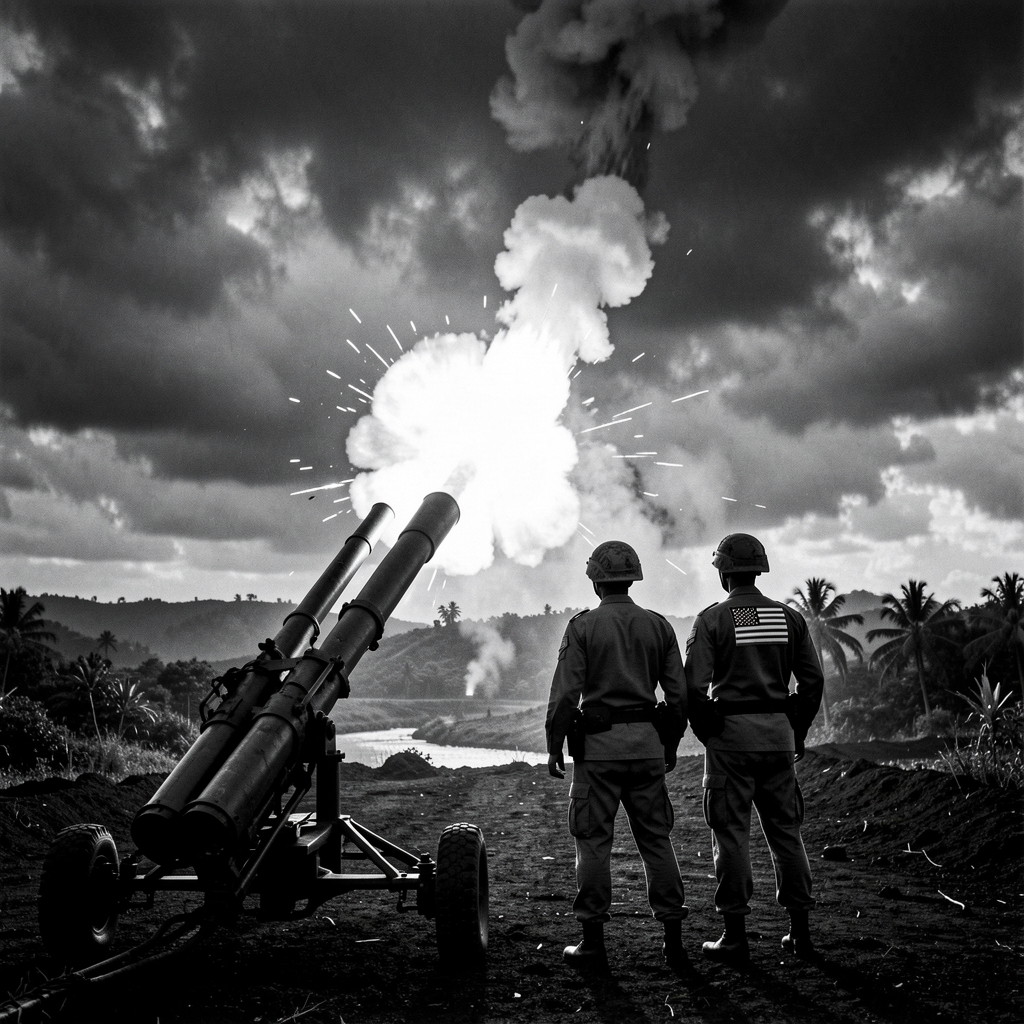
On June 30, the U.S. Army’s 1st Multi-Domain Task Force (1MDTF) and the Philippine Army’s Artillery Regiment executed a high-stakes live-fire exercise at Fort Magsaysay Military Reservation, marking a significant milestone in U.S.-Philippine defense collaboration. With the launch of 21 Reduced-Range Practice Rockets from the High Mobility Artillery Rocket System (HIMARS), this drill not only tested military capabilities but also underscored the broader strategic implications of their partnership in a volatile geopolitical landscape.
The backdrop to this exercise is framed by an increasing emphasis on joint military operations, particularly as tensions in the Asia-Pacific region rise. The Philippines has been positioning itself as a crucial ally for the United States amid an assertive China, which has escalated its military activities in contested waters. As President Ferdinand Marcos Jr. continues to navigate these turbulent waters, events like these symbolize not only military preparedness but also the strengthening of diplomatic ties.
In recent years, the Philippines has sought to bolster its defense capabilities through enhanced partnerships with foreign military powers. This includes both traditional allies and newer security arrangements as threats evolve. The HIMARS drill is part of a larger series of exercises under the Enhanced Defense Cooperation Agreement (EDCA), which seeks to deepen U.S.-Philippine military cooperation. According to U.S. Army officials, this exercise was intended to refine techniques for rapid response and precision strike capabilities—vital skills in contemporary warfare.
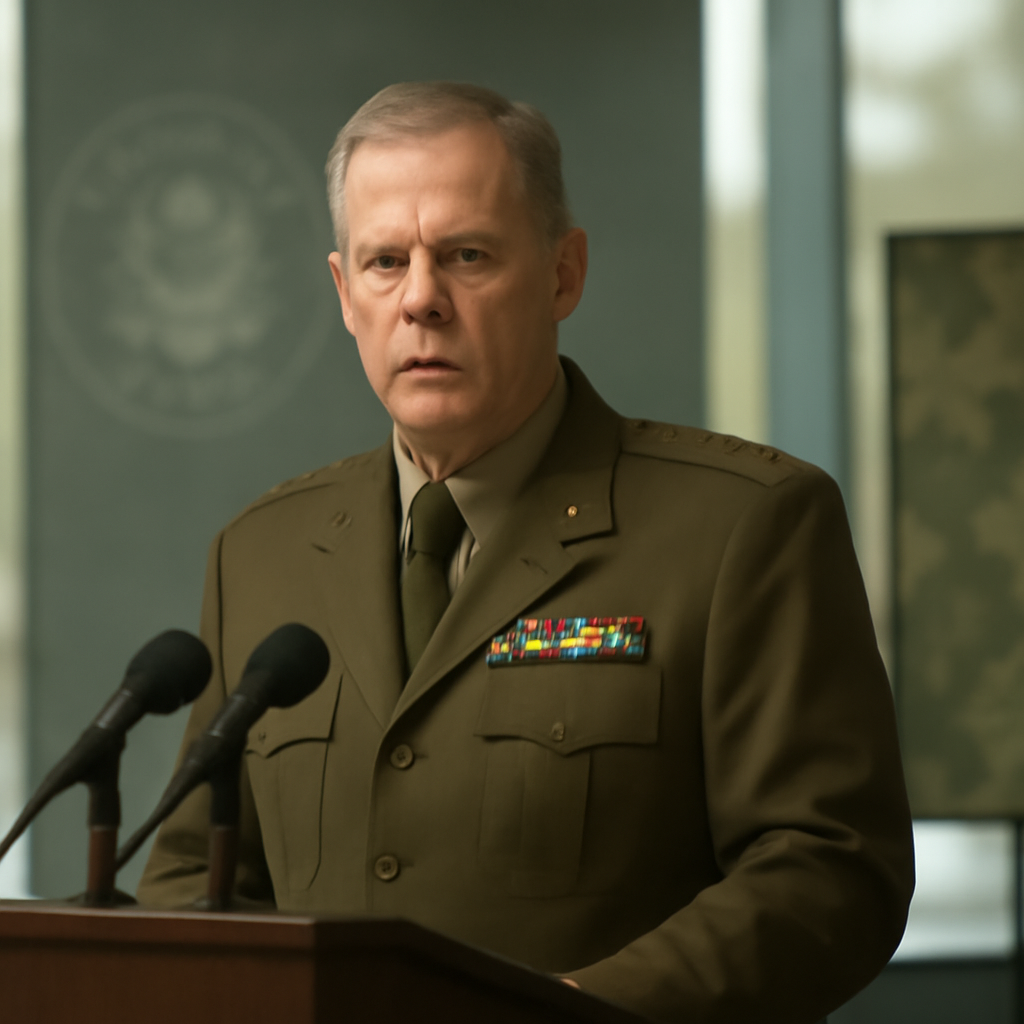
Currently, the geopolitical stakes are higher than ever, with China asserting its influence over various territories in Southeast Asia and beyond. The HIMARS deployment serves dual purposes: demonstrating American commitment to regional security and showcasing Philippine operational capabilities to potential adversaries. Official statements from both militaries emphasized the importance of such drills for collective defense readiness. Captain Jay Deleon of the Philippine Army noted that “these joint exercises provide invaluable training opportunities that enhance our interoperability.”
The ramifications of this collaboration extend beyond immediate tactical advantages; they touch on broader themes of national sovereignty, deterrence strategy, and public trust. For many Filipinos, particularly those concerned about sovereignty issues related to foreign military presence, there exists a delicate balance between seeking assistance for defense while maintaining autonomy over domestic policies.
Experts like Dr. Richard Heydarian, a political analyst based in Manila, suggest that the U.S.-Philippines alliance is increasingly viewed through a strategic lens rather than merely historical camaraderie. He argues that “the evolving threat landscape necessitates a proactive posture that can include powerful deterrents like HIMARS.” This perspective illustrates how international relations are influenced by shifting dynamics rather than static allegiances.
As we look ahead, several trends warrant close attention:
- Evolving Military Strategy: Watch for further integration of advanced technologies within joint exercises as both nations adapt their strategies to emerging threats.
- Civil-Military Relations: Monitor public sentiment regarding foreign military engagement—how it impacts local governance and civil rights will be critical as defense partnerships deepen.
- Diplomatic Engagements: Expect more bilateral talks aimed at reinforcing security cooperation while balancing economic ties with other regional actors like China.
The recent HIMARS exercise is not simply about launching rockets; it symbolizes an evolving partnership rooted in shared security interests amidst an increasingly unpredictable global environment. As these allies work together on tactical maneuvers today, they are also laying down frameworks for broader strategic cohesion tomorrow. Will this collaborative effort ultimately deter aggression or provoke further tensions? Only time will tell, but one thing remains certain: regional dynamics are changing rapidly, and alliances will be tested in ways we have yet to fully comprehend.