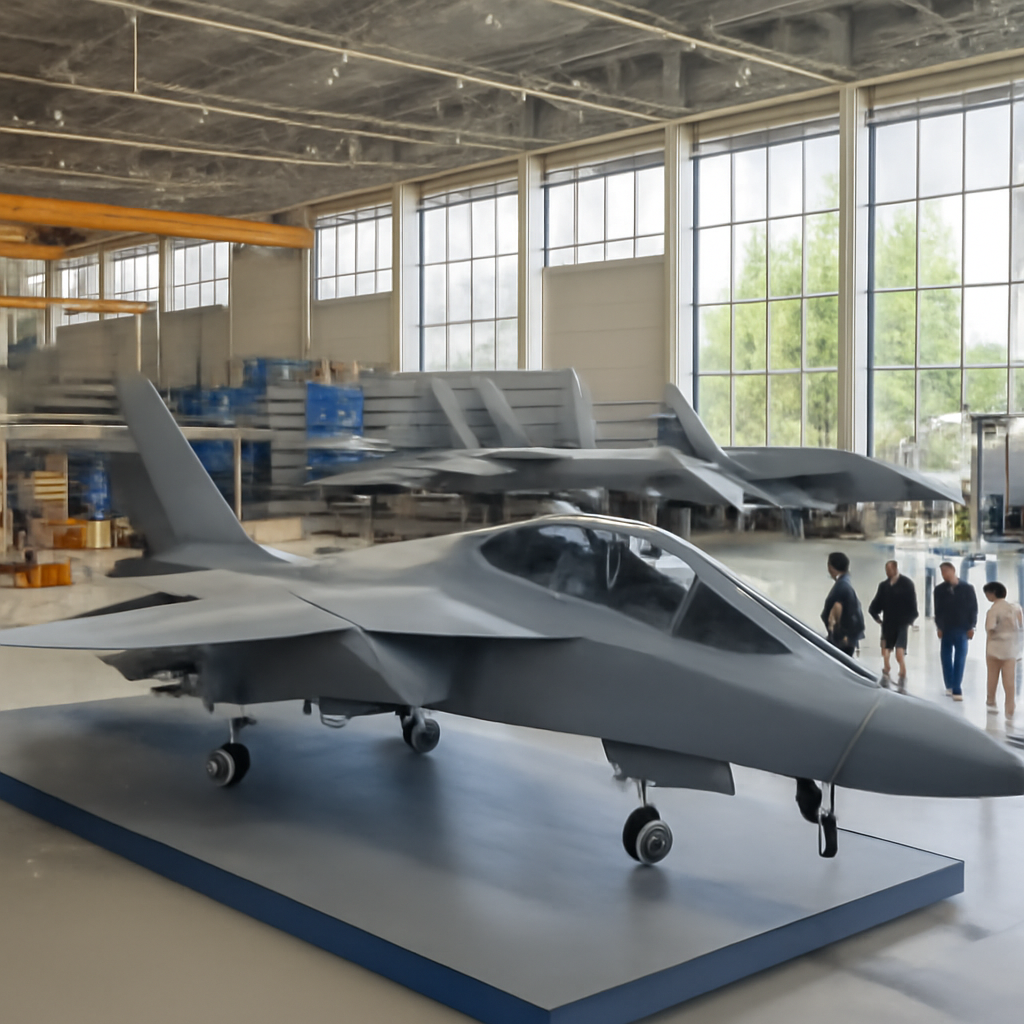
“We have recently started work on a navalized version of HÜRJET,” TA CEO Mehmet Demiroglu said at a Turkish naval expo, summing up a deliberate push by Turkish Aerospace (TA) to broaden the Hurjet’s role from land-based trainer and light-attack aircraft to a maritime platform.
Navalized HÜRJET: technical challenges and early work
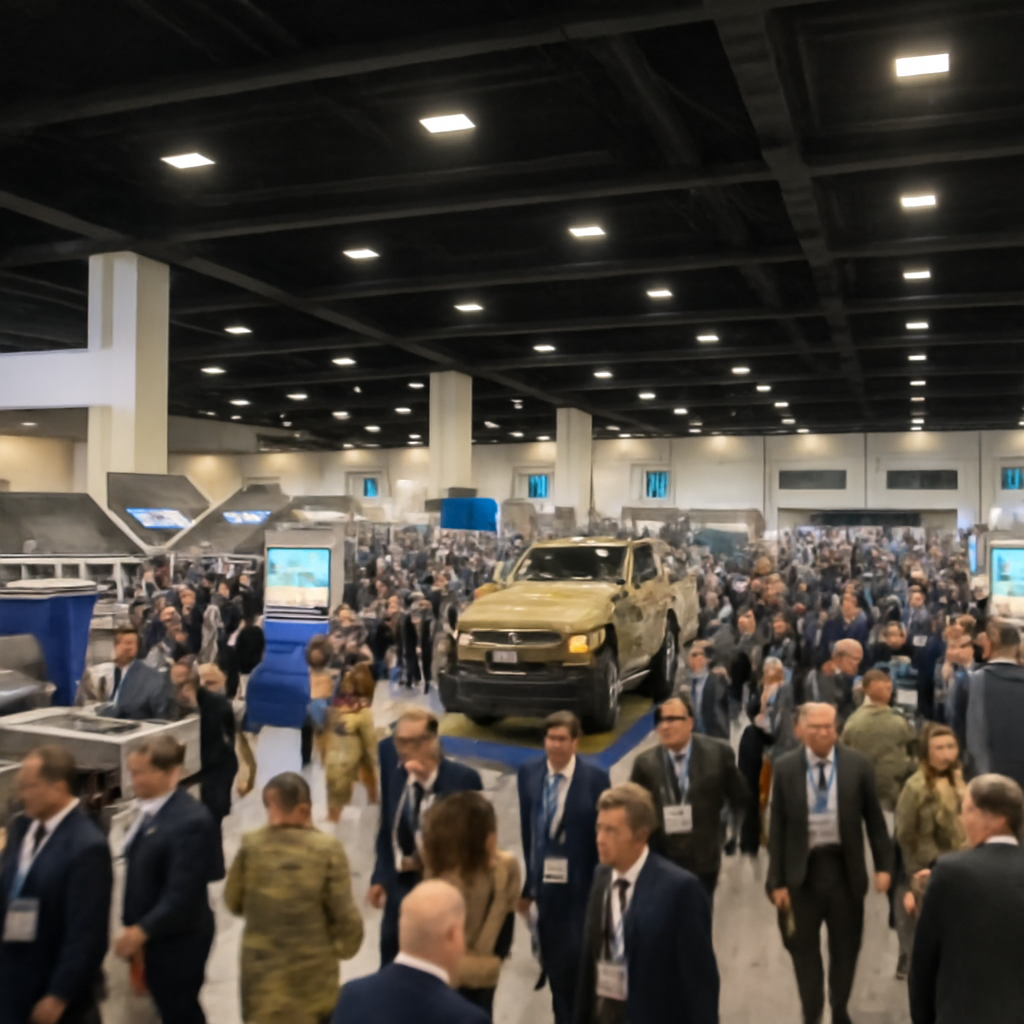
TA has formally begun work on a maritime version of the light attack and trainer aircraft HÜRJET, Mehmet Demiroglu told attendees at the Teknofest Blue Homeland naval expo in Kocaeli. Demiroglu cautioned that it is still too early to define the exact configuration. He emphasized two constraints cited by TA: maritime operating conditions are significantly more demanding than land-based operations, and a navalized HÜRJET will need a more powerful engine.
Hurjet production, prototypes, and delivery timeline
TA reported that, in addition to its first two flying HÜRJET aircraft, four more prototypes are currently in production. The firm said the first of those additional prototypes is expected to make its maiden flight “very soon,” and that TA aims to fly at least two additional HÜRJET aircraft by the end of this year. TA plans to start deliveries to the Turkish Air Force by the end of 2027 and to Spain by 2028.

This site is the portfolio.
OSINTSights runs on Cloudflare Workers, D1, R2, and Vectorize, with an AI pipeline on Hetzner ARM. Nubivance designed, built, and operates it. We do the same for clients.
See what we buildTA’s export push: Spain contract and UK discussions
In April, Turkey signed a contract to equip the Spanish military with HÜRJET trainers, following a 2025 agreement between TA and Airbus to coproduce the aircraft in Spain. Demiroglu said TA believes HÜRJET “has the potential to become not only the trainer aircraft of Türkiye and Spain, but also a training platform for NATO.” He added that TA has been in discussions with the UK on its trainer procurement program for nearly a year and that the company “will continue to do everything required on our side as the process moves forward.”
KAAN fifth‑generation fighter: engines, prototypes, and testing
The state-owned TA is also designing and building the KAAN, a planned fifth‑generation fighter. Demiroglu said the KAAN P0 aircraft has already flown, and that TA plans to fly two additional KAAN aircraft this year. The company is using one static test aircraft for structural and ground durability testing.
On propulsion, TA said it does not foresee any issues with planned KAAN deliveries and that “there is currently no issue regarding the engine.” The first KAAN batches will be powered with General Electric-built F110 engines after the United States cleared export of those engines. TA will rely on the U.S.-built F110s until its national engine, the TF35000 — being developed by Tusas Engine Industries and still in the design phase — is ready for operation by 2030. Demiroglu further noted that, with the third KAAN prototype, TA will begin weapon integration and live weapon testing covering both external weapon stations under the wings and the aircraft’s internal weapon bays. The company’s objective is to begin KAAN deliveries by the end of 2028.
What this means for the UK, the Spanish military, and the Turkish Air Force
- UK: TA has been engaged in talks with the United Kingdom on its trainer procurement for nearly a year; Demiroglu said the company will continue to support the process as it advances, indicating TA plans to remain an active bidder while navalization work and prototype flights proceed.
- Spanish military: Spain signed a contract in April to be equipped with HÜRJET trainers and is party to a 2025 TA–Airbus coproduction agreement in Spain; Spanish deliveries are scheduled for 2028 under TA’s timeline.
- Turkish Air Force: TA plans to begin deliveries to the Turkish Air Force by the end of 2027; TA’s near-term test schedule includes multiple HÜRJET prototype flights this year and ongoing KAAN prototype and static testing ahead of planned KAAN deliveries by the end of 2028.
Demiroglu’s comments at Teknofest Blue Homeland framed a tightly scheduled set of milestones: additional HÜRJET prototype flights “very soon,” further HÜRJET flights by year-end, KAAN prototype flights this year, and delivery targets stretching from late 2027 through 2028 — all while TA begins initial work to adapt the HÜRJET for naval use and manages a phased engine strategy for KAAN that depends on U.S. F110 exports in the near term and a domestic TF35000 engine by 2030. The company’s next concrete markers will be the imminent HÜRJET maiden flight for the new prototype and the planned KAAN flights and weapon-integration activities tied to the third prototype.