Unraveling the Tensions: Trump’s Stark Warning Amid Russia’s Renewed Assault on Ukraine
In the early hours of Monday, as the skies over Ukraine darkened with the ominous silhouette of incoming weaponry, former President Donald Trump’s blunt remark—”Putin has gone absolutely crazy”—resonated far beyond campaign rallies and televised interviews. As Russia launched its third consecutive large-scale air assault on Ukraine, delivering a staggering 364 air-dropped weapons in one orchestrated barrage, the remark underscored a growing alarm among Western leaders and policy analysts about the Kremlin’s unpredictable military gambit.
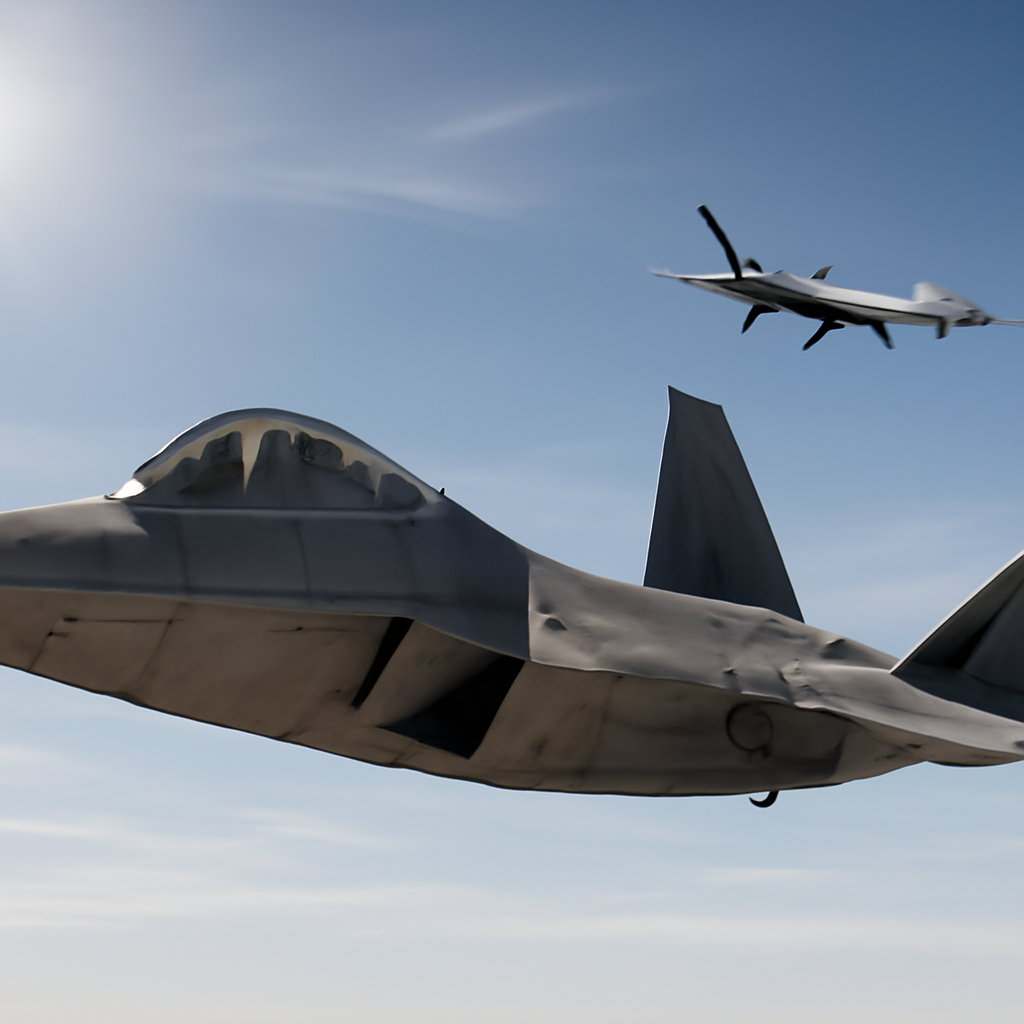
Russian forces, according to verified statements from Ukraine’s Air Force, deployed a formidable arsenal comprising cruise missiles, drones, and other air-delivered munitions. In one notable detail, Ukrainian defense officials confirmed that nine cruise missiles, fired from strategic bombers, were intercepted alongside the targeting of 288 enemy drones. This surge in military activity follows an escalating pattern seen since the conflict reignited in 2014 and deteriorated dramatically in early 2022.
The attack not only reinforces Ukraine’s immediate security challenges but also highlights the Kremlin’s willingness to push the envelope. Analysts note that Russia’s use of a multi-pronged air assault represents a shift toward more complex and potentially destabilizing military operations. While the Russian government has not publicly acknowledged responsibility with a detailed narrative akin to Western media style, the coordinated nature of the strike suggests an effort to saturate Ukraine’s air defenses and test the resilience of its military infrastructure.
This latest military maneuver comes at a time when international attention is sharply focused on the conflict’s broader strategic implications. For nearly a decade, Ukraine has been at the epicenter of regional tensions—a venerated symbol of sovereignty fought over by competing superpower interests. The annexation of Crimea in 2014, followed by years of convective conflict in Eastern Ukraine, set the stage for a volatile tinderbox in Eastern Europe. Now, with renewed large-scale strikes, the calculus for both diplomatic negotiations and military readiness faces renewed uncertainty.
Former President Trump’s characterization of Russian President Vladimir Putin’s behavior is noteworthy not only because of its provocative language but also due to the weight his words now carry in geopolitical debate. Trump, a polarizing yet influential figure in American political discourse, has not shied away from labeling international maneuvers in stark terms. His comment—delivered against the backdrop of escalating military action—reflects both a frustration with Kremlin decision-making and a broader unease about the prospects for a stable strategic environment in Europe.
Historically, Putin’s approach to military engagement and geopolitical posturing has been characterized by a blend of conventional force and hybrid warfare tactics. Analysts often point out that the use of precision-guided munitions, along with an array of drones, signals a modern, if aggressive, attempt to combine traditional aerial bombardment with emerging technologies. Such a strategy, they argue, is designed to unsettle not only Ukrainian forces but also the political landscape of neighboring NATO countries and other Western allies.
The mechanics of the recent assault have already sparked debates among defense experts and policymakers. According to an analysis by the Institute for the Study of War—a reputable source that tracks conflict dynamics—the assault may represent a calculated effort by Moscow to exploit fatigue within Ukraine’s air defense systems. By overwhelming these systems with a barrage of coordinated strikes, the Kremlin can potentially secure tactical advantages on the ground while sending a signal of strength and resolve to both domestic and international audiences.
Observers stress that this pattern of escalation could have broader ramifications. On one hand, the heavy reliance on air-delivered weaponry underscores the Kremlin’s commitment to conventional military tactics even as it experiments with newer forms of warfare. On the other hand, the scale of the strike poses serious questions for global security frameworks designed to deter or de-escalate conflicts of such magnitude.
Multiple stakeholders in this unfolding scenario include the Ukrainian government, whose resilience continues to be tested by a relentless barrage of military pressure; NATO allies, tasked with upholding regional security without provoking an inadvertent escalation; and adversaries, who watch each maneuver closely as a case study in modern hybrid warfare. While some European policymakers argue for measured increases in defensive support to Ukraine, others caution that overt military escalation could inadvertently embroil a broader conflict—a sentiment echoed by defense strategists across the Atlantic.
Expert commentary on Trump’s incendiary statement remains divided. Some international security specialists view his words as a candid reflection of fears that many in Washington and Brussels share: that Putin’s actions could spiral into unpredictable and far-reaching consequences. As renowned military analyst Andrew Exum once noted in a public briefing, “When a traditional power resorts to erratic displays of force, it is often a sign that internal calculations are failing to deliver desired political outcomes.” Though Exum’s remarks are drawn from historical patterns rather than a specific forecast of short-term events, they capture the tension at the heart of current debates over Russian strategy.
In tandem with these expert analyses, policymakers are also grappling with the potential economic fallout. Escalations in military aggression carry the risk of disrupting supply chains, increasing energy prices, and generating wider financial instability across Europe. The rapid mobilization of Russian forces, and their apparent success in communicating a threat posture, may well influence future rounds of sanctions—a tool that Western governments have increasingly relied upon to signal disapproval and attempt to curb further aggression.
As the international community monitors the situation, questions abound about the capacity of Ukraine’s air defenses to withstand continued operations of this scale. The extensive use of drones and precision-guided munitions marks a departure from earlier phases of the conflict, demanding an equally innovative response from Ukrainian planners and their NATO partners. Already, there are calls within military circles for enhanced counter-drone measures and upgraded surveillance systems to better manage this emerging threat landscape.
Notably, Ukraine’s capability to intercept nine cruise missiles—a figure that, while significant, represents only a part of the broader offensive—highlights both the strength of its current defensive systems and the vulnerabilities in facing a complex, multifaceted attack. Military experts caution that while interceptions are encouraging, even minor lapses in defense can yield disproportionate results on the battlefield, potentially altering the course of engagements and, by extension, diplomatic negotiations.
Looking ahead, several possible trajectories emerge. One scenario envisions a continued intensification of Russian military operations designed to test the limits of Western resolve and Ukrainian defensive capabilities. Another posits that the Kremlin’s increasingly erratic tactics may invite stronger countermeasures—in the form of both military support for Ukraine and renewed efforts at diplomatic engagement—to rein in what some describe as a destabilizing mix of brinkmanship and miscalculation.
Moreover, the rhetoric surrounding these developments remains as heated as the actions on the ground. Trump’s remark, punctuated by its unfiltered tone, has already found traction among segments of political discourse in the United States and beyond. While some critics argue that such language risks oversimplifying an intricately layered geopolitical struggle, others contend that honesty in characterizing an opponent’s methods is essential to galvanizing a coherent policy response.
As the coming weeks and months unfold, stakeholders will be watching closely for any signs of a broader escalation. Key indicators include the scale and frequency of subsequent air assaults, shifts in diplomatic signaling from Moscow, and the degree to which NATO allies commit to bolstering Ukraine’s defense infrastructure. Each development will be scrutinized not only for its immediate tactical implications but also for its longer-term impact on European security and the international order.
In the end, while Trump’s description of Putin’s actions may strike some as hyperbolic, it encapsulates a widely held concern: that the current state of affairs represents a dangerous departure from established norms of state conduct. Whether Moscow’s aggressive posture will eventually lead to a more predictable recalibration or spiral into further instability remains an open question. Perhaps the true test will be in how quickly and effectively the international community can adapt to these rapidly changing dynamics—a question that, in today’s volatile geopolitical climate, is more urgent than ever.