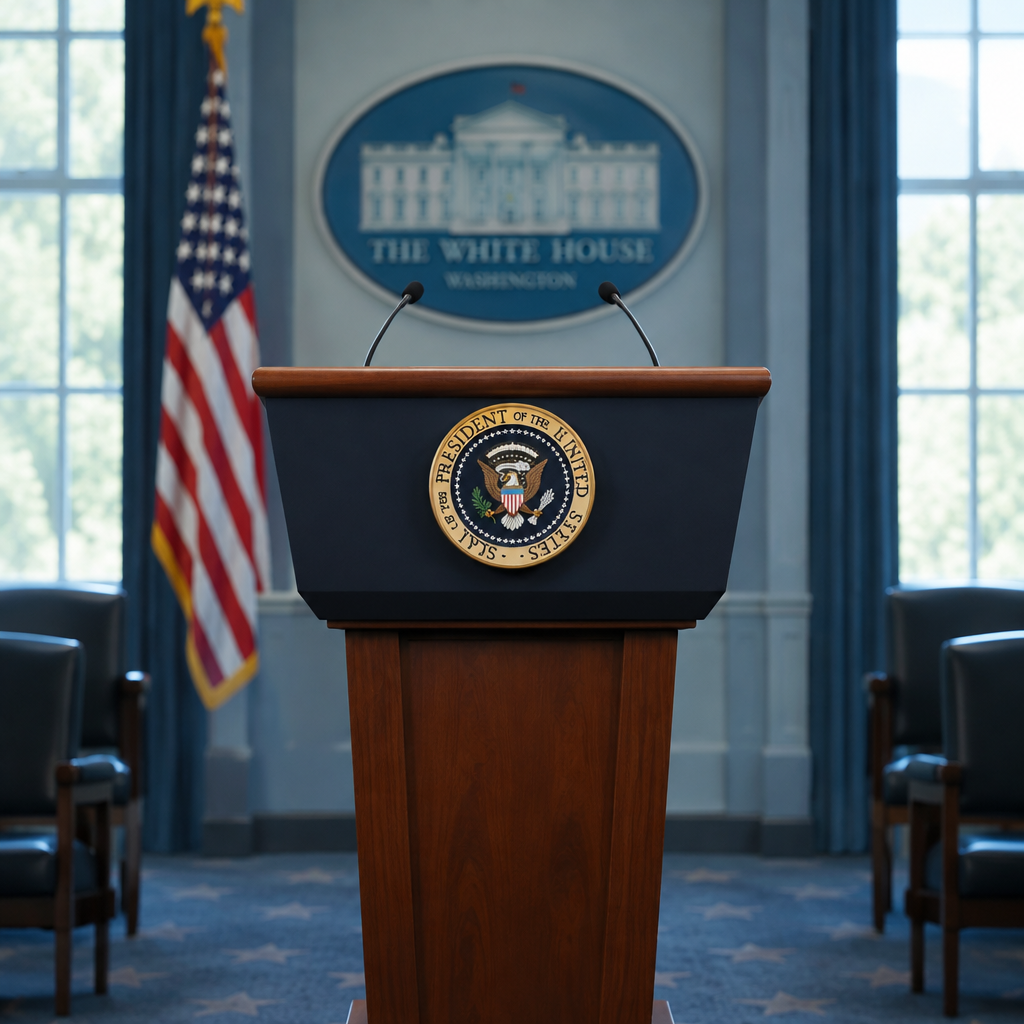
"As far as paying Israel, Bibi Netanyahu and I have made a deal that – we give Israel $4 billion a year – and we made a deal months ago that we’re stopping," President Donald Trump told Fox & Friends Tuesday morning.
The Trump announcement on Fox & Friends and the immediate claim
President Trump said the United States will stop providing roughly $4 billion in annual assistance to Israel "by the end of this year" and that Prime Minister Benjamin Netanyahu had agreed. In the same interview he added, "Now we'll help Israel if they need it," and framed the decision in electoral terms, calling the annual payment a "bad talking point" for Democrats including Michigan Senate nominee Abdul El‑Sayed. He offered no further detail about which lines in Israel’s budget or which programs the statement targeted; the administration did not provide supporting documents in the interview, and the White House was contacted for clarification.
The 2016 Memorandum of Understanding (MOU) and how U.S. aid is authorized
The article identifies the decade‑long MOU as the most likely target of Trump’s remark. It notes that "the MoU calls for providing $3.8 billion in annual aid and it is drawing to a close." A 2025 Congressional Research Service report cited in the piece adds that the third 10‑year MOU, signed in 2016, covers Fiscal Year 2019 through Fiscal Year 2028 and "pledged to provide—subject to congressional appropriation—$38 billion in military aid ($33 billion in Foreign Military Financing (FMF) grants plus $5 billion in missile defense appropriations) to Israel." The article stresses that the MOU is a political commitment rather than a legally binding contract: Congress must appropriate funds each year and could — in theory — choose not to continue funding or to change the law.

Audit-ready is a season. It shouldn't be.
Evidence in spreadsheets, controls drifting between audits, frameworks multiplying on flat headcount. Nubivance runs continuous compliance on Rapid7 Cyber GRC - SOC 2, HIPAA, ISO 27001, PCI, CMMC.
End the scrambleIsrael’s stated shift toward self‑funding and joint development
Israeli leaders have publicly discussed reducing reliance on direct U.S. financing. The Israeli Defense Ministry said negotiations on a new framework began in June, describing a goal to "strengthen the IDF’s qualitative military edge through expanded joint investment in research, development, and co-production" and to "gradually transition from aid to a completely reciprocal partnership." Prime Minister Netanyahu told Israeli media and international outlets that he wants to "taper off the military aid within the next 10 years" and, when asked whether he meant "to taper it off to zero," replied "yes" — adding that Israel seeks to be "as independent as possible." The Crisis Group and the Israel Policy Forum are cited as observers who note that Israel’s economy and defense spending have outgrown the relative importance of U.S. FMF, with Israel’s GDP reported as exceeding $700 billion and defense spending above $40 billion.
What this means for the Israeli Defense Ministry, the U.S. Congress, and U.S. defense contractors
- Israeli Defense Ministry and military leaders: Officials were reportedly surprised by the announcement, with Israel’s Finance Ministry saying it was "entirely unaware" and defense officials telling media they did not expect the public statement. The MOU still has two years left and "almost $8 billion" in anticipated funding, most of it earmarked for procurement of U.S. arms, a gap Israel would need to cover if funding were halted early.
- U.S. Congress and appropriators: Because the MOU’s funds are subject to congressional appropriation, ending assistance before the decade expires would require Congress to withhold funds or alter existing law — a step the article frames as uncertain and politically fraught.
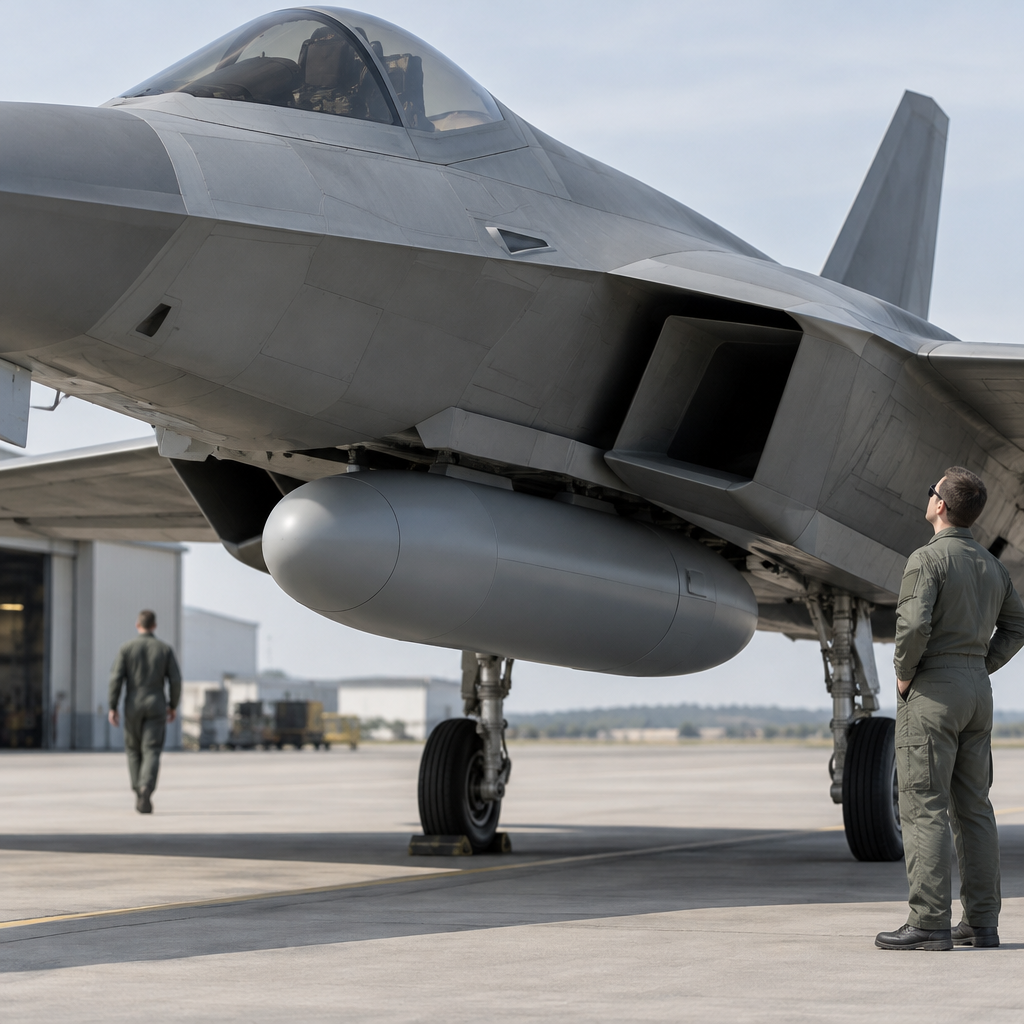
- U.S. defense contractors: The piece lists named companies and platforms tied to planned Israeli procurements — Boeing for F‑15Is and KC‑46As, Lockheed Martin for F‑35Is, and AM General for Joint Light Tactical Vehicles — and notes billions in contracts remain planned. The article says it is unclear how stopping the MOU early would affect these companies, which count on predictability for multi‑year sales.
Costs borne by the U.S. and the wider operational context cited
The article places the $4 billion figure against broader U.S. expenditures: it reports the United States has spent nearly $50 billion on the most recent conflict with Iran and has deployed large numbers of warships, aircraft, air defenses and thousands of personnel to the region. Since the launch of Epic Fury in February, the piece states, 23 U.S. troops have died and nearly 900 have been injured; it also reports dozens of aircraft have been destroyed and U.S. bases partially damaged. Those operations, the article argues, have inflicted wear and tear on U.S. stockpiles and operational capacity that far exceed the annual direct aid figure.
Trump’s declaration has triggered surprise and political reaction in Israel — including a public rebuke from rival Gadi Eisenkot, who said learning of the change through the media "shows just how dangerous Benjamin Netanyahu’s conduct is" — and it leaves concrete legal and budgetary questions open. The central unresolved issue the article leaves: will Congress act this year to cut off the promised appropriations, and if so, how will nearly $8 billion in planned procurement be funded or restructured?
Source: TWZ — What Trump’s Drastic Reduction Of U.S. Military Aid To Israel Could Mean