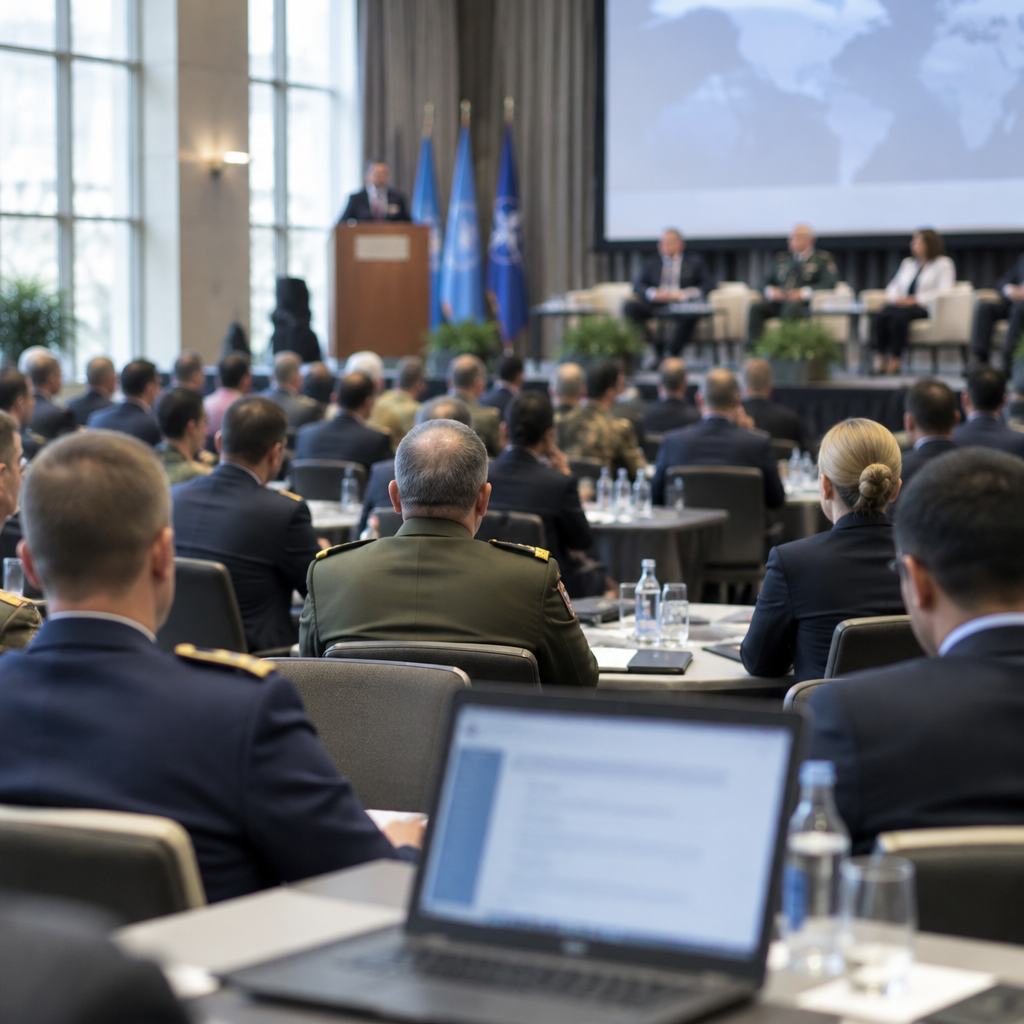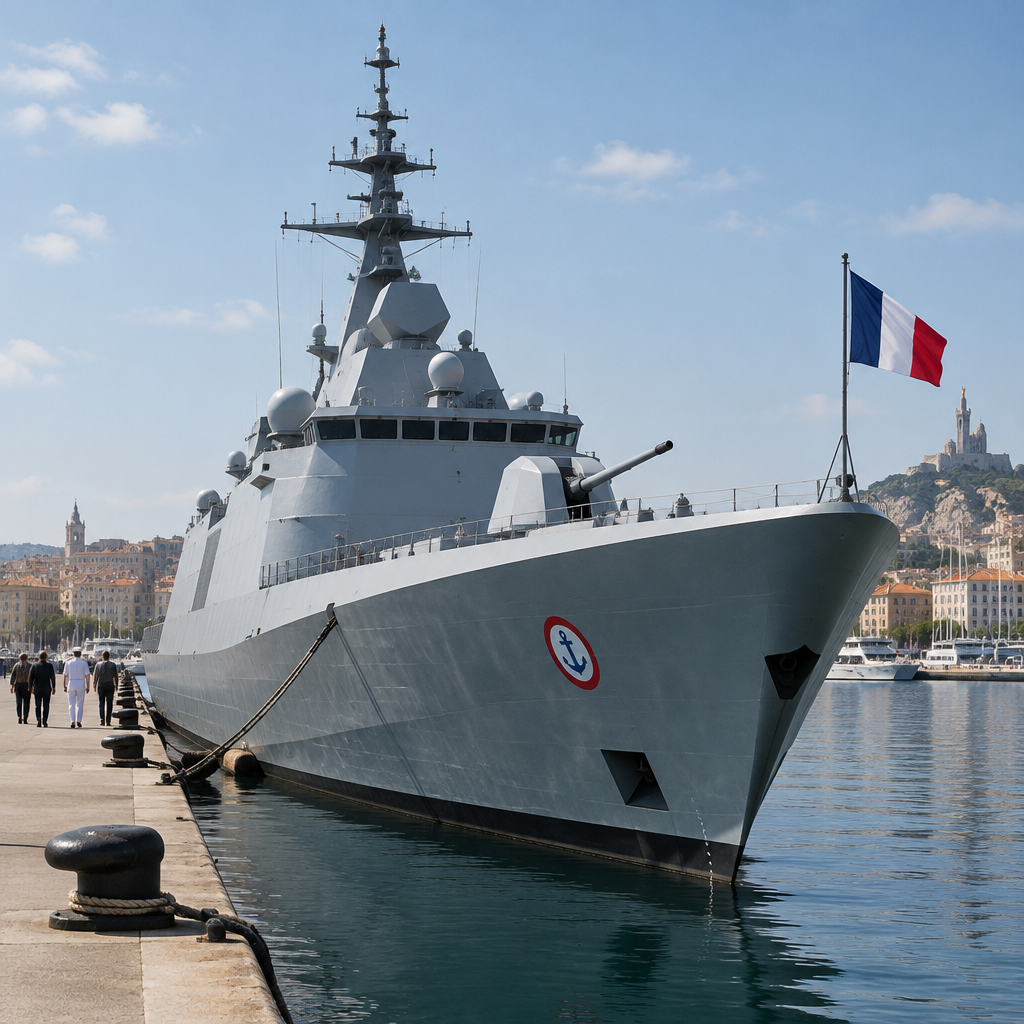
"This ambition reflects a firmly established French political determination: to retain the ability to make decisions and take action independently. To be feared, in order to remain free," French Armed Forces Minister Catherine Vautrin said as she opened the Euronaval defense show in Paris on Nov. 4, 2026.
Catherine Vautrin’s speech at Euronaval
At the Paris defense exhibition, Vautrin framed France’s military modernization as a strategic choice tied to national independence. She tied the phrase "to be feared" to a broader political determination to retain decision-making and action capabilities. The same language echoes President Emmanuel Macron’s March nuclear strategy address in Brittany, when he announced an increase in France’s nuclear warhead stockpile and argued for strategic autonomy as central to protecting sovereignty.
The DGA’s three-track naval drone effort
The French Defence Procurement Agency (DGA) has structured a newly unveiled naval drone initiative into three specific categories. According to the DGA, the program includes: tactical drones aimed particularly at escort and protection missions; endurance drones intended for intelligence and surveillance operations; and specialized action drones, which include remotely operated naval munitions. The program was presented earlier this year as a fast-track effort to combine manned warships with autonomous systems.

This site is the portfolio.
OSINTSights runs on Cloudflare Workers, D1, R2, and Vectorize, with an AI pipeline on Hetzner ARM. Nubivance designed, built, and operates it. We do the same for clients.
See what we buildBudget increase: €63.4 billion for defense in 2027 and the parliamentary timetable
Vautrin presented a draft budget to parliament that would raise defense spending to €63.4 billion in the 2027 financial year — €6.5 billion more than in 2026. The draft was transmitted to the National Assembly and the Senate in October but has not yet been adopted; a vote is scheduled this month and the draft is being widely debated within the French parliament. The total cost for the naval drone acquisitions has not been publicly disclosed.
SLAM-F mine-countermeasure orders: a dozen surface and underwater drones
Over the summer, the DGA placed additional orders under France’s future mine-countermeasure program, known as SLAM-F. The procurement arm ordered a dozen surface and underwater systems to bolster the French Navy’s uncrewed mine-warfare capabilities. The DGA stated those systems are required to guarantee freedom of navigation "in the current geopolitical context," tying the procurement to operational needs at sea.
European manufacturing and partnerships with Sweden, Greece, Belgium, and the Netherlands
Vautrin said Paris will prioritize systems of European origin: "Our first weapon is our ability to manufacture as Europeans. That is how we will become stronger." She cited existing examples of cooperation, naming Greece explicitly and pointing to a partnership with Sweden in missiles, aviation, and naval capabilities aimed at achieving mutual strategic autonomy. She also named Belgium and the Netherlands in connection with cooperation on new mine-warfare vessels.
What this means for technologists, policymakers, and navies
- Technologists and security teams: will be tasked with integrating manned warships and autonomous systems across the DGA’s three drone categories, and they will confront technical and safety questions around remotely operated naval munitions and endurance surveillance systems.
- Policymakers and procurement leaders: must reconcile a significant proposed budget increase — €63.4 billion in 2027, €6.5 billion above 2026 — with parliamentary debate and an imminent vote this month, while the precise acquisition costs for the drone programs remain undisclosed.
- Navies and freedom-of-navigation actors: will receive a dozen additional surface and underwater mine-countermeasure systems under SLAM-F, equipment the DGA says is required to guarantee freedom of navigation in the current geopolitical context.
France’s defense message at Euronaval tied strategic language—"to be feared"—to concrete procurement choices: fast-tracked naval drones across three operational roles, supplemental uncrewed mine-countermeasure buys, and an explicit pivot toward European manufacturing and partnerships. The immediate next steps named in Vautrin’s remarks are parliamentary approval of the draft budget and continued deliveries under SLAM-F; the scope and cost of the drone acquisitions, however, remain unspecified in public documents.