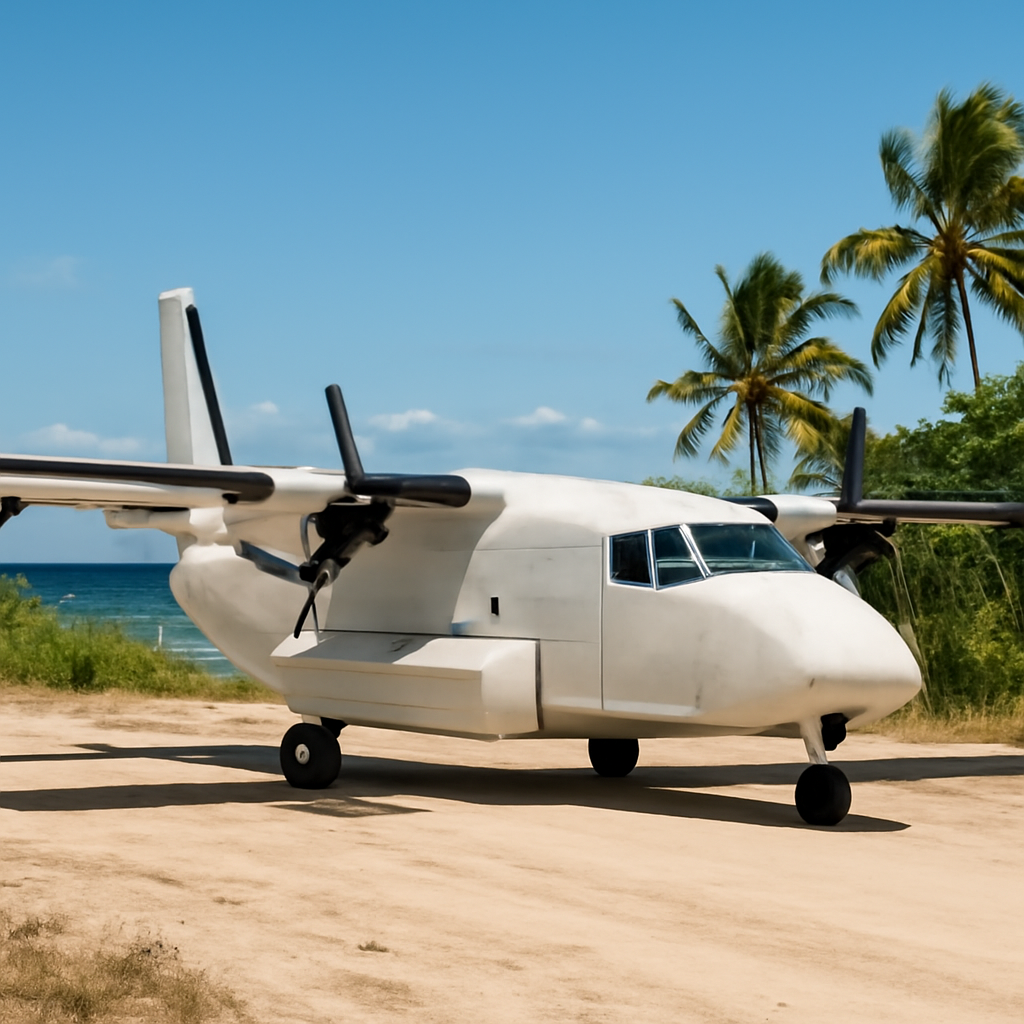
"The aircraft’s being operated from literally from the Arctic to the Amazon. There are three different island nations in the Pacific that have airline fleets of them," said Bobb Gibbs, Textron’s vice president for special missions and defense, summing up why his company and Merlin Labs are pitching an unmanned variant of the Cessna Skycourier for Pacific resupply missions.
Cessna Skycourier: payload, range, and austere-field capability
Textron’s Cessna Skycourier is the airframe at the center of the proposal: a modular platform with passenger, cargo and air‑ambulance configurations. The companies highlight three hard numbers as the airplane’s operational envelope — three tons of payload, roughly 1,000 miles of range, and the ability to operate from airstrips as short as half a mile. Those attributes are the basis for Textron and Merlin’s argument that a modified Skycourier can serve as a low‑cost complement to larger Air Force transports.
Merlin Pilot AI, cockpit removal, and an optionally manned option
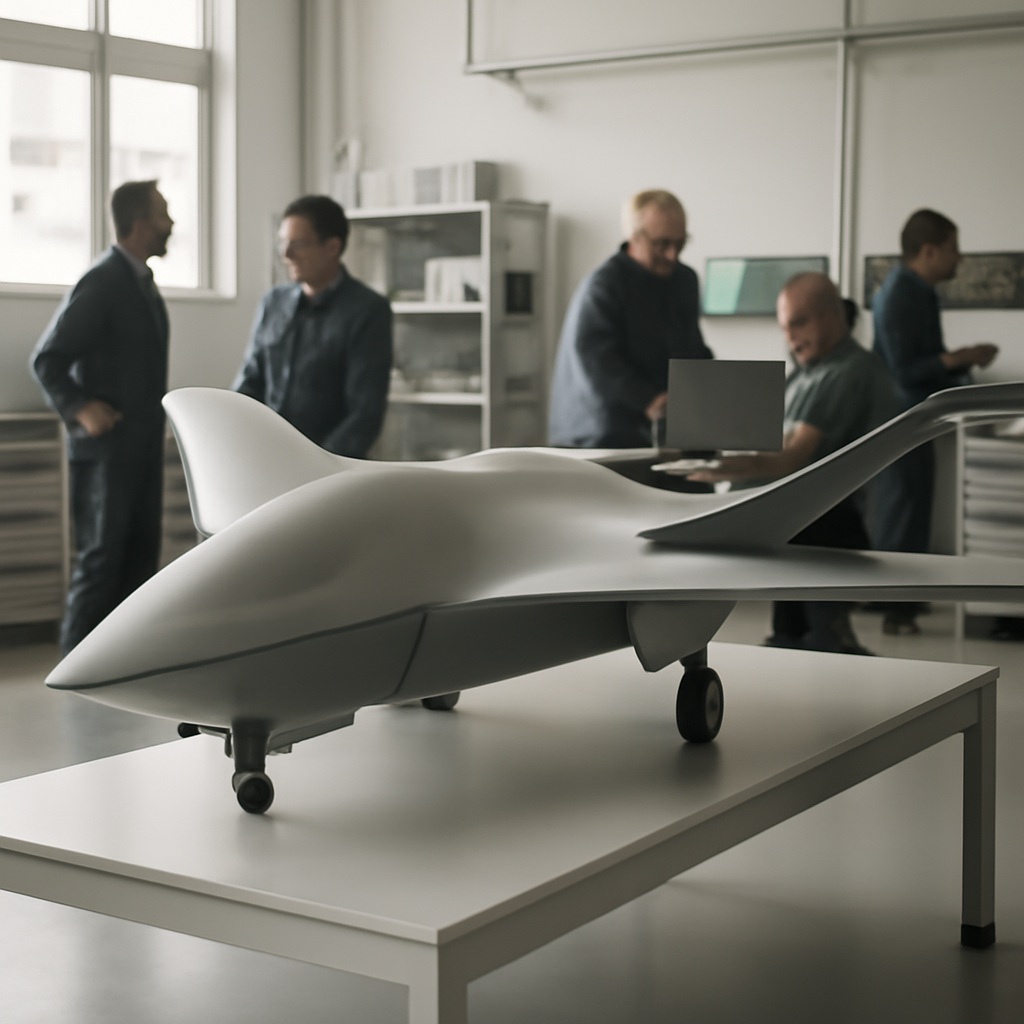
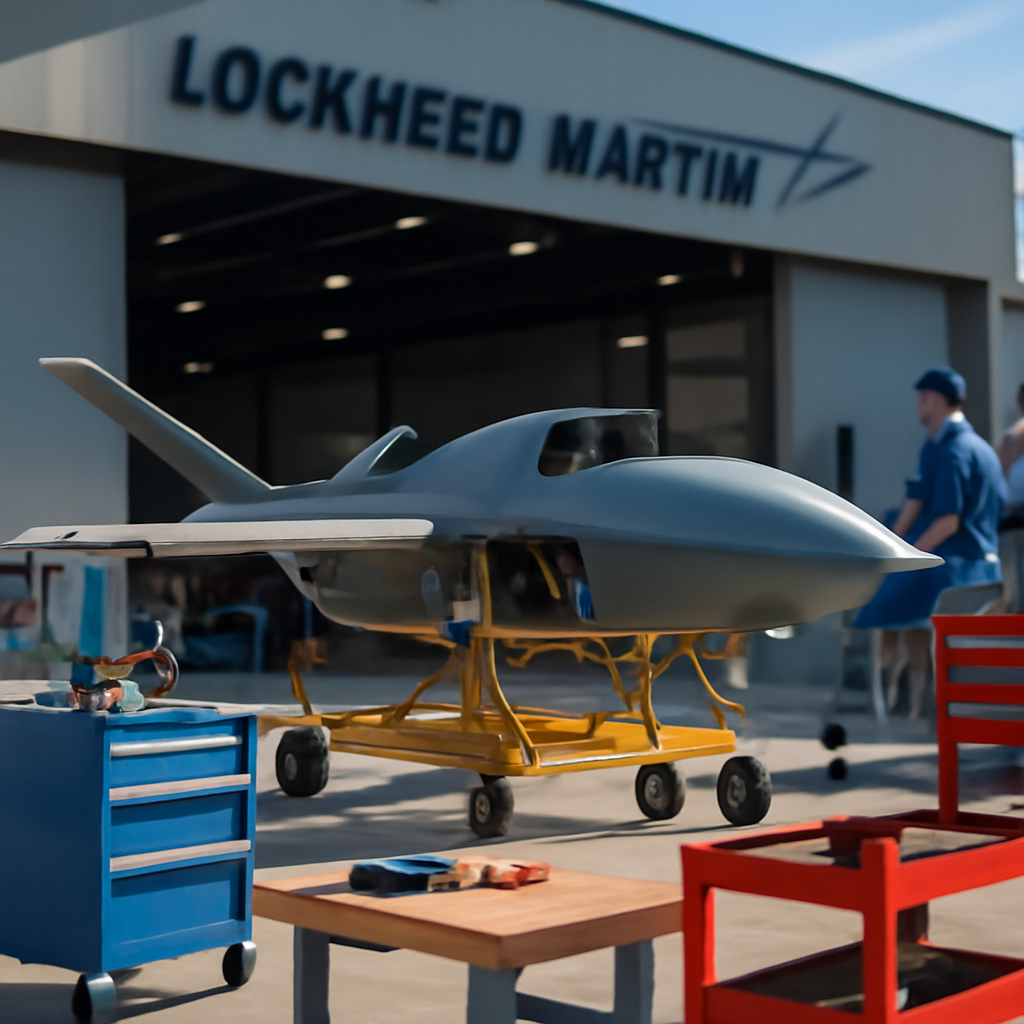
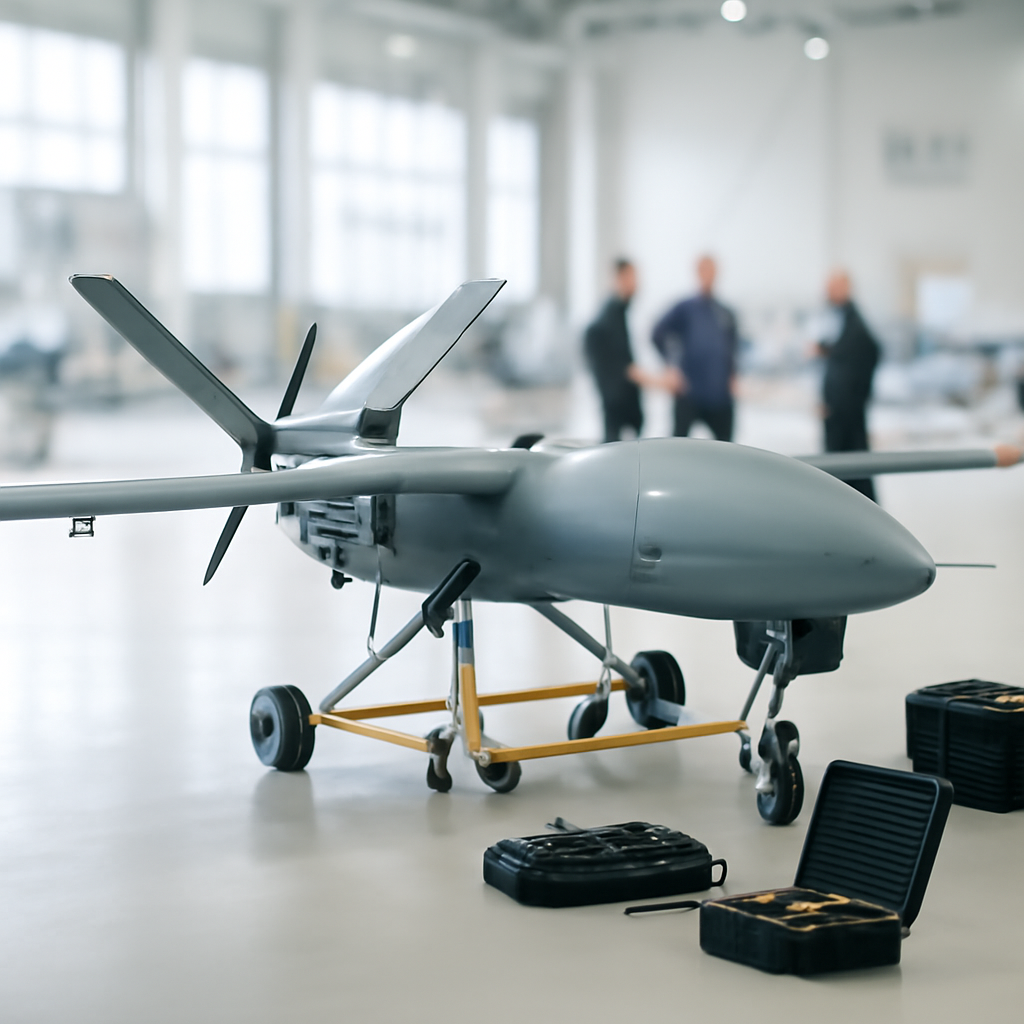
The concept unveiled at National Harbor, Md., replaces the Skycourier’s cockpit with a flip‑up nose to simplify automated loading and installs a Merlin Pilot AI to fly the aircraft. Merlin Labs’ CEO and founder Matt George said the companies could also offer an optionally manned variant that retains a cockpit while using the AI as the pilot. George additionally noted Merlin’s AI can fly other Textron types, including the Cessna Caravan and King Air.

The cyber insurance questionnaire just landed. Now what?
SOC 2, HIPAA, insurance renewals - someone has to own security strategy. Nubivance provides fractional CISO leadership without the full-time salary.
Get a security leadHow the proposal targets Pacific island resupply and the 'Second Island Chain'
Textron and Merlin framed the unmanned Skycourier around a specific operational niche: distributing supplies from larger hubs to small, scattered island outposts. Retired Air Force Maj. Gen. Kyle Kremer, a member of Merlin Labs’ advisory board, identified the geographic focus explicitly, saying the aircraft could help “disperse the forces amongst the Second Island Chain, [e.g.] Palau, Tinian, Saipan, pick your various islands.”
Both companies acknowledge limits in the concept. The Skycourier’s roughly 1,000‑mile range, they point out, cannot substitute for long‑haul Air Force transports; Textron’s executives used Guam‑to‑Manila as an example of a mission beyond the Skycourier’s reach. The selling point is that smaller platforms could handle many short shuttle missions that the Air Force cannot reasonably assign to C‑130s or C‑17s without stretching long‑range assets.
What this means for the Air Force, Pacific island operators, and Merlin/Textron
- For the Air Force: The companies position the unmanned Skycourier as a force‑mulching option that preserves human aircrew for long‑haul missions while using smaller aircraft to manage short, repetitive resupply runs to dispersed islands. Textron and Merlin argue this resolves a logistics bandwidth problem without replacing larger transports.
- For Pacific island operators and local airlines: Gibbs noted existing global commercial use of the platform — “from literally from the Arctic to the Amazon” — and that three island nations in the Pacific operate fleets of Skycouriers. The proposed modifications (flip‑up nose, automated flight) aim to lower operating costs and simplify loading at austere strips commonly found on small islands.
- For Merlin and Textron: The companies are explicitly soliciting military feedback on desirable modifications. Gibbs framed the pitch bluntly toward procurement: “They keep asking us to bring them rocks, and what we’re doing here is saying [we] literally could get you an airplane tomorrow.” Offering an optionally manned version widens the potential market to operators who want human‑in‑the‑loop capability as well as AI piloting.
Textron and Merlin unveiled the concept publicly in a conversation with reporters; they emphasized modularity, off‑the‑shelf aircraft attributes, and an AI flight system that already supports other Textron types. The tradeoffs are clear in the companies' own framing: the Skycourier cannot substitute for larger strategic airlifters, but it may fill many tactical, short‑range resupply missions that otherwise would demand disproportionate use of C‑130s and C‑17s.
The immediate next steps implied by the companies’ comments are conversation and evaluation: Merlin and Textron want military feedback on modifications and foresee fielding an aircraft rapidly if requirements align. Whether the Air Force or island authorities will adopt, test, or fund such a program remains to be seen; the companies have at least placed an option on the table that pairs an existing light cargo airframe with an AI pilot and an eye toward austere Pacific operations.