Tag: logistics
86 articles
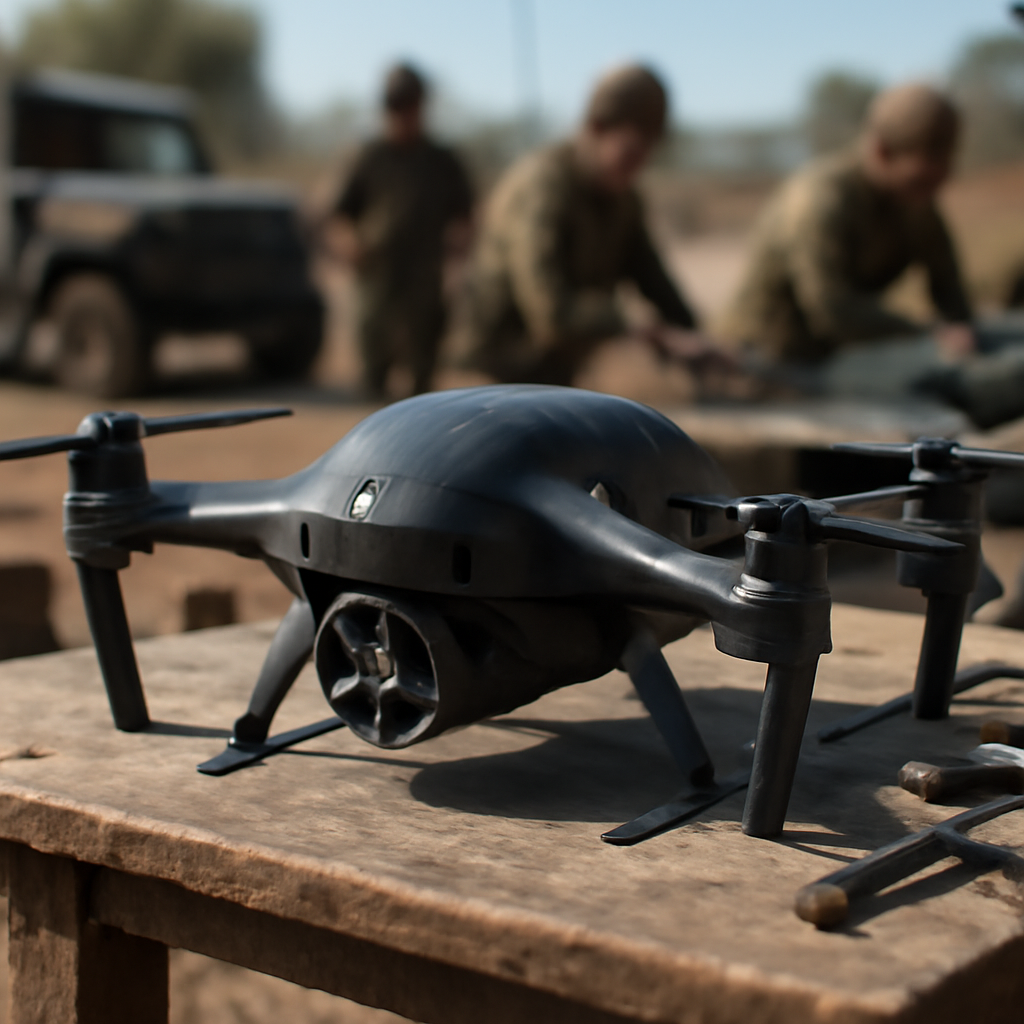
Ukraine Unleashes AI-Powered Drone Strikes on Russian Logistics
Meet the game-changing AI-powered drones taking the fight to Russian logistics, striking at the heart of their supply chain with precision and stealth. Ukraine's innovative tactics are redefining modern warfare, one targeted hit at a time.
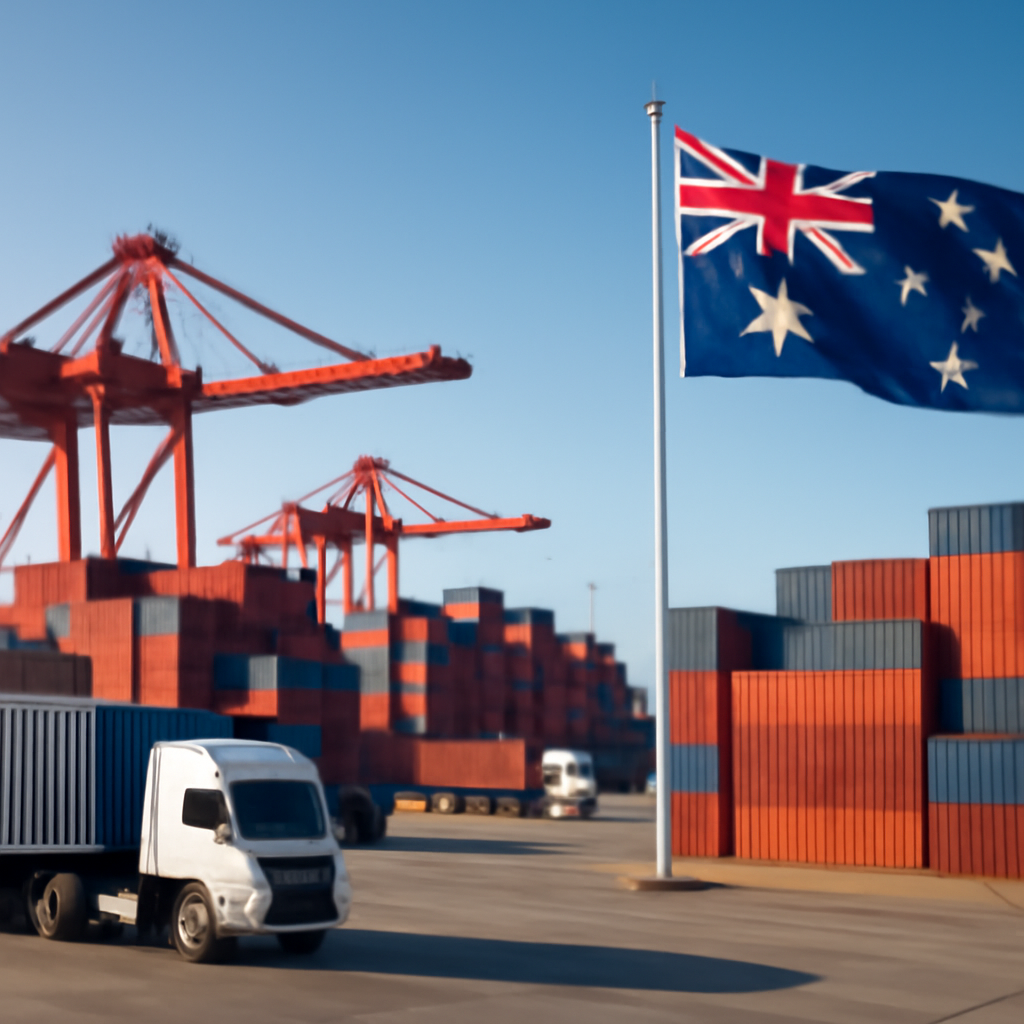
Australia Shifts to Just-in-Case Logistics Amid Contested Indo-Pacific
Australia is transforming its logistics strategy from efficient but fragile just-in-time systems to a more resilient just-in-case approach, prioritizing redundancy and preparedness to withstand disruption and conflict in the increasingly contested Indo-Pacific region. This shift means embracing higher costs and complexity to ensure endurance in the face of coercion and uncertainty.

Military AI Tested in Desert E-Bike Race
Imagine a high-stakes, thousand-mile e-bike race through the harsh Baja Desert - that's where a cutting-edge military AI platform is being put to the test. This innovative technology, developed by GDIT and AWS, is designed to revolutionize energy management in challenging environments.

Singapore Emerges as China's Key Partner in Strategic Trade Corridor
Singapore's senior officials, including Senior Minister Lee Hsien Loong, recently visited Nanning to inspect a game-changing strategic logistics corridor that connects western China to Southeast Asia and beyond. This corridor is already making waves, with 10 million TEUs handled in 2025 and ILSTC shipments surpassing 1.4 million TEUs.

Australia's North Targets Economic Security Boost with Hybrid Zone Model
Australia's north is poised for an economic security boost with a groundbreaking hybrid zone model that leverages its vast energy, critical minerals, and industrial capabilities. By unlocking the region's potential, Australia can supercharge its national power and create a brighter future.

AI Use Cases Must-Have for Pentagon’s Best Readiness 2026
AI use cases are no longer optional for the Pentagon. In the next 18 months, choosing and governing the right ones will decide whether U.S. forces enter 2026 with an AI-enabled edge—or dangerous gaps in situational awareness, logistics, and command.

Askul ransomware attack: Stunning, Risky supply-chain hit
When Muji paused online orders after logistics partner Askul was hit by ransomware, it exposed a stark truth: a single third-party breach can freeze entire retail operations. This outage is a wake-up call for brands to map dependencies, tighten vendor security, and treat supply-chain risk as an ongoing priority.

Jaguar Land Rover Stunning Comeback: Best Resilience
Jaguar Land Rover is cautiously phasing staff back to work after a cyber incident briefly stalled production, balancing urgency to restart lines with careful checks to keep systems secure and avoid a repeat disruption.

Battering RAM vulnerability: Stunning, Dangerous Risk
A $50 interposer called Battering RAM can sit between a server and its memory, pass startup trust checks, and quietly subvert Intel and AMD cloud protections—showing how a tiny piece of hardware or a supply-chain slip can defeat even modern defenses. Cloud customers and providers should take notice and push for stronger hardware attestation, supply‑chain transparency, and tamper‑resistant measures.

Asahi cyberattack: Stunning Risky Supply Crisis
When a cyberattack forced Asahi to halt orders and shipments across Japan, it turned a brewing hiccup into a nationwide supply-risk test — empty shelves, strained retailers and shaken confidence followed. It’s a wake-up call for companies and regulators to boost cyber hygiene, contingency plans and transparent communication before the next disruption hits.

cybersecurity incident: Shocking Risky Breach Hits Asahi
A cyberattack forced Asahi to shut down distribution systems, leaving bars and shops scrambling for stock and showing how even your favorite beer can be derailed by invisible digital threats. The outage is a wake-up call about fragile supply chains and the tough tradeoffs between rapid containment and keeping business flowing.

phased restart: Must-Have Best Fixes for JLR
Jaguar Land Rover has begun a phased restart after a cyberattack, prioritising supplier payments and reviving its parts logistics centre to steady production and reassure partners. While this quick, pragmatic recovery eases immediate disruption, the company still faces the work of forensic checks and stronger defenses to prevent future shocks.

cybersecurity breach: Stunning Costly Hit to Co-op
The Co-op says a cyberattack flipped forecast profits into an estimated £80m loss, leaving shelves bare and staff scrambling. It’s a sharp reminder that when retail systems fail, customers, workers and company coffers all pay the price.

one bad password: Stunning Lessons from a Risky Collapse
One compromised password toppled KNP Logistics after 158 years, a wake-up call that even the most storied businesses can be undone by weak cyber hygiene — adopt MFA, segmentation and tested recovery plans before it’s too late.

flawless IT support: Must-Have Best Defense
Flawless IT support is a frontline lifeline—when VPNs, patches, or helpdesk queues fail, missions falter and lives are at risk. Investing in resilient networks, rapid response, and user-centered tools is essential to keep warfighters safe and effective.

cyber incident Exclusive: Risky Supply Chain Alert
Bridgestone says a cyber incident was “limited,” but sparse details leave suppliers, customers and security teams on edge — even small breaches can ripple across complex manufacturing supply chains. Stay alert: partners should verify contingency plans while investigators work to ensure containment and restore confidence.

baggage tag scam: Shocking Risk That Travelers Must-Fix
Think twice before tossing that tiny baggage tag—criminals can use the routing info and barcodes to file bogus lost-luggage claims, so keep your tag until you’re home and then shred it. A few simple habits—photograph your bag, keep receipts, and securely dispose of tags—can save you time, money, and a lot of hassle.
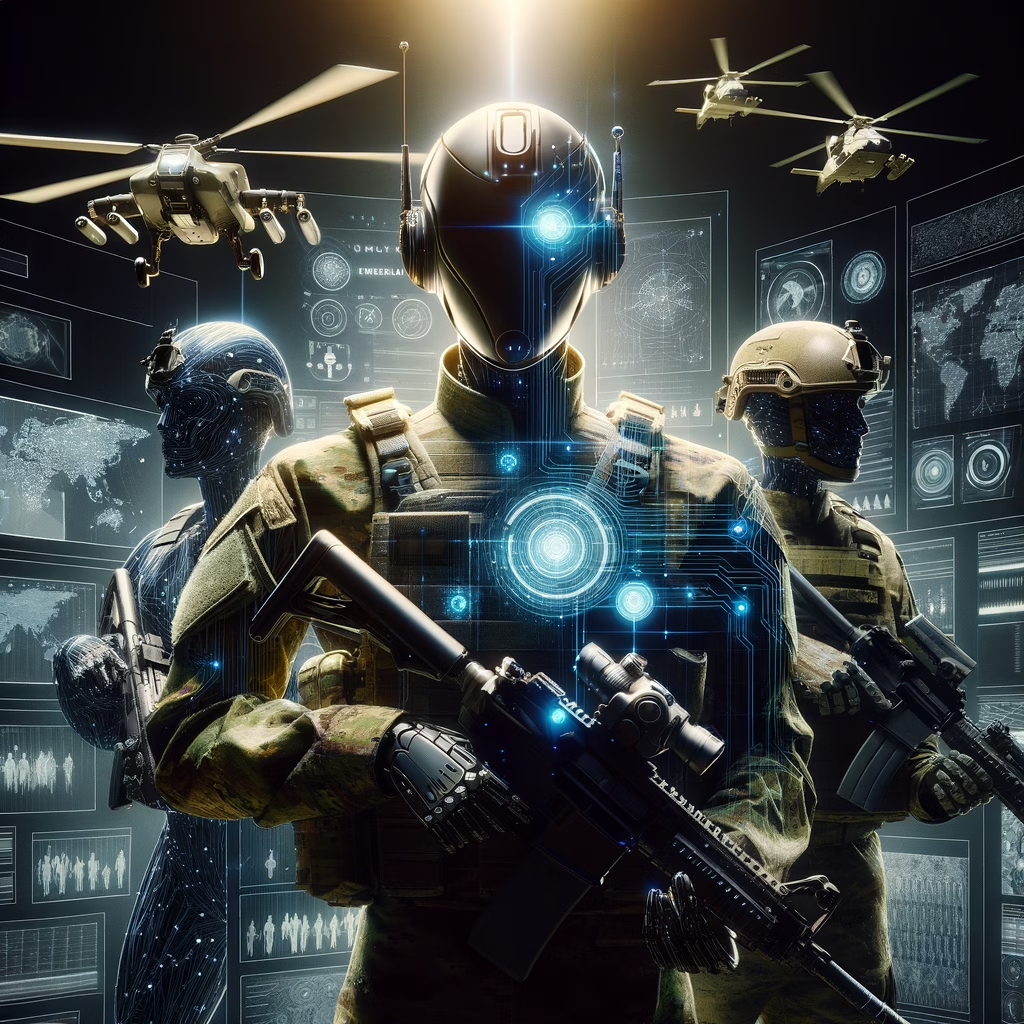
warfighter readiness: Must-Have, Risky AI Advances
At the DoD’s 4th Annual AI for Defense Summit, experts are turning the question Can you trust a machine with a soldier’s life? into practical solutions—AI-driven triage, predictive maintenance, and smarter logistics that save lives, boost readiness, and keep humans firmly in control.

artificial intelligence: Must-Have, Best Defense Edge
As the Pentagon partners with commercial AI innovators, faster decision-making, smarter logistics, and safer human‑machine teaming are within reach — but success hinges on building strong safeguards so innovation never outpaces accountability. Getting that balance right will determine whether AI becomes a decisive defense advantage or a risky misstep.

website after cyberattack: Risky Stunning Supply Outage
What do you do when the system that tells retailers what’s on the shelf goes dark? Stock in the Channel pulled its site after a cyberattack — saying customer data appear safe but providing no forensic report or timeline — leaving partners scrambling with manual checks, delayed orders and shaken trust.

Amazon-like online marketplace: Must-Have Game-Changer
Imagine soldiers ordering vetted drones as easily as parents buy toys—scrolling specs, reading reviews, and getting gear to the unit in days instead of months. The Army’s new Amazon-like UAS marketplace aims to speed fielding and widen vendor access, while tackling the security, sustainment, and oversight challenges that come with buying fast.

Amazon-like online marketplace: Must-Have, Risky Move
Imagine ordering a vetted drone as easily as clicking “add to cart”—the Army’s new Amazon‑style marketplace aims to get proven UAS into soldiers’ hands fast while balancing security, supply‑chain and oversight risks that won’t come free.

Joint Light Tactical Vehicles: Exclusive Best Choice
A $160 million U.S. approval to sell JLTVs to Canada raises a clear choice: prioritize modern protection and coalition interoperability or stick with cheaper, more numerous vehicles—and the real impact will come down to training, logistics, and long-term costs. Whether these rugged, high-tech trucks boost Canada’s Arctic readiness and allied operations or strain budgets and sustainment will play out in the field, not on paper.

JLTVs to Canada: Must-Have, Best Upgrade
A proposed $160M sale of Oshkosh JLTVs could quickly boost Canadian troop protection, mobility and NATO interoperability. But choosing the proven platform also means accepting long-term sustainment ties to the U.S. and weighing industrial and sovereignty trade-offs.