Tag: facial recognition
23 articles
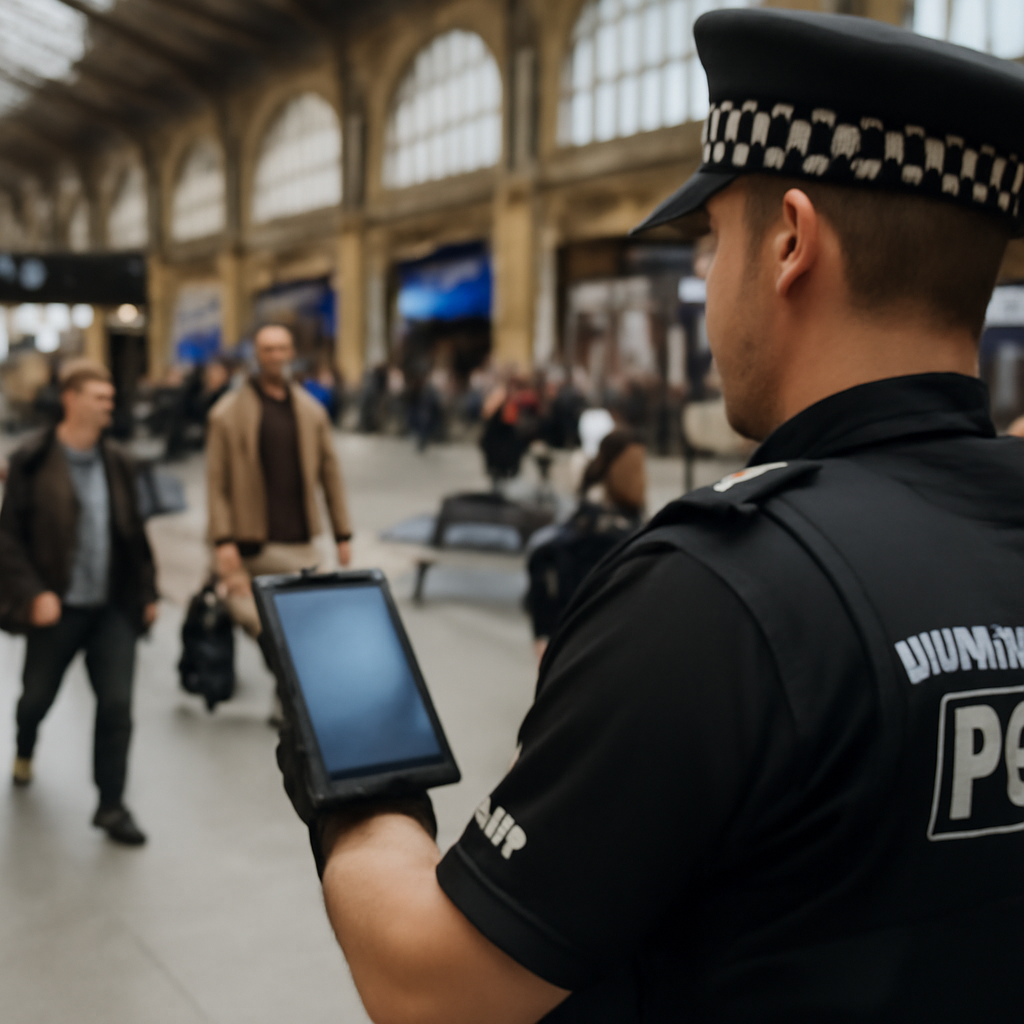
UK Rail Police's Facial Recognition Trial Yields Zero Matches
The UK Rail Police's six-month facial recognition trial was a costly and time-consuming effort that yielded a surprising result: zero matches, despite scanning over 500,000 faces. The £320,000 trial, which took up almost 100 hours of officer time, produced just one false positive alert and no arrests.

AI Chatbot Service Mandates Face Scans for Callers Worldwide
Get ready for a chat experience like no other with Talking Tilly, the viral AI character that's taking the world by storm - but be warned, you'll need to undergo a face scan first, as the service's strict privacy policy requires.

Facial Recognition Platform Exposes 9M Images
A staggering 9 million images, including facial photos of adults, teens, and kids, were left vulnerable in a publicly exposed database, revealing a massive security lapse by a facial recognition platform. The unprotected database contained 450 gigabytes of sensitive data, sparking serious concerns about identity verification and data security.
UK Watchdog Warns Police on Facial Recognition Data Governance
The UK's Information Commissioner's Office warns that police use of facial recognition technology poses significant risks to privacy and individual rights if not governed properly. A recent audit of five police forces revealed inconsistent compliance with data protection laws, highlighting an urgent need for improved data governance.
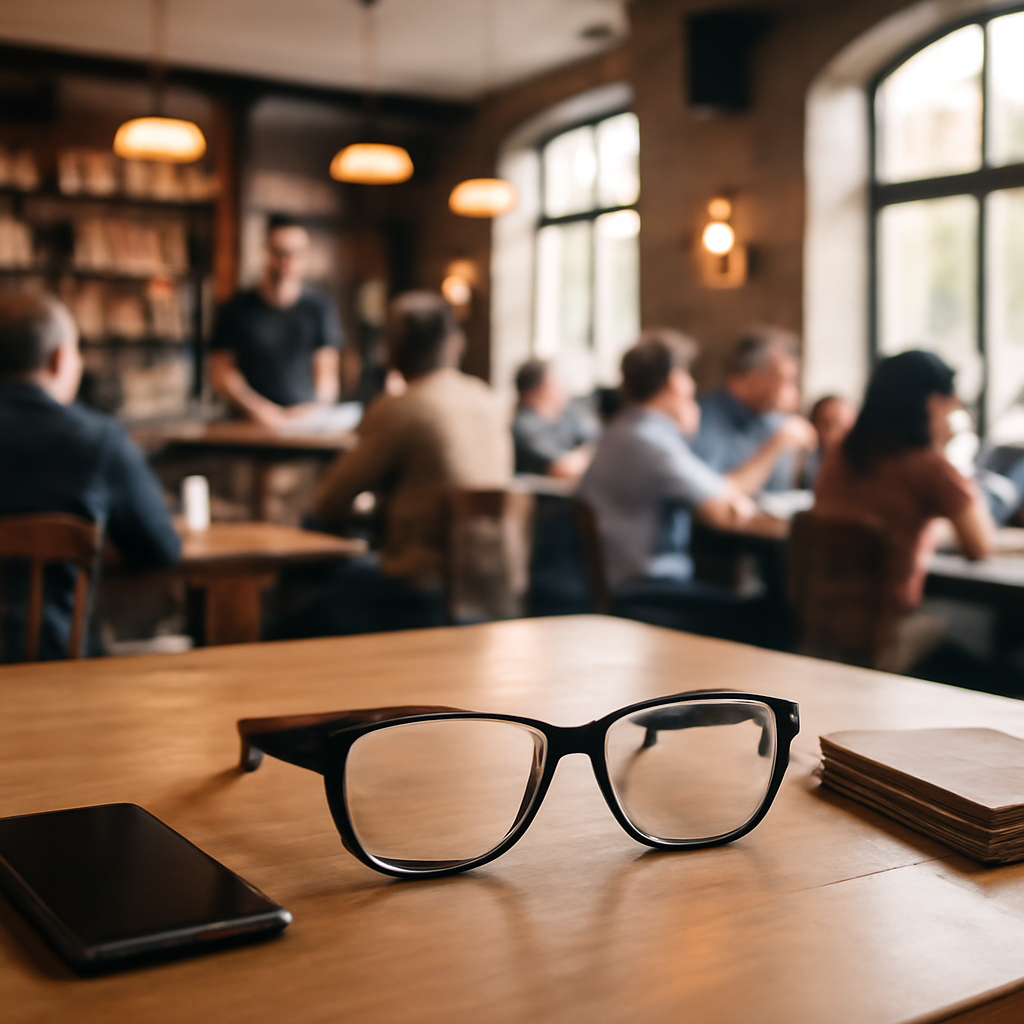
Wetherspoons Targets Smart Glasses Over Covert Surveillance Concerns
Wetherspoons is taking a stand against covert surveillance by asking customers to switch off their smart glasses' cameras, citing concerns over secret filming of patrons and staff. The pub chain is opting for a camera-off approach rather than an outright ban on the wearable tech.

MSG Facial Recognition System Flags Activists, Spares Celebrities
The MSG facial recognition system is a stark example of a disturbing double standard, where activists are flagged and scrutinized, while celebrities and wealthy elites are spared, fueling concerns about a surveillance state that's increasingly out of touch with the rights of ordinary people. This biased approach perpetuates a worrying future where the privileged enjoy privacy, and the rest are left vulnerable to corporate monitoring.
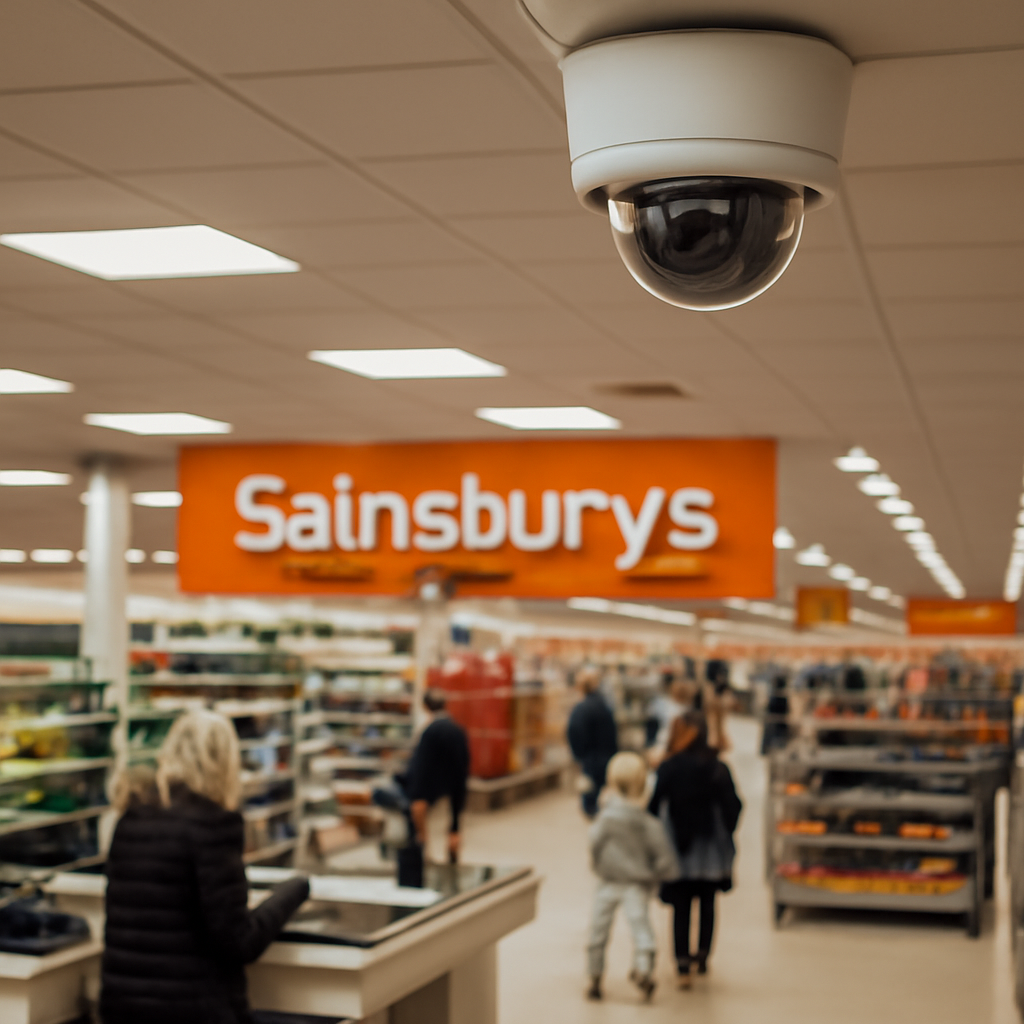
Sainsbury's Expands Facial Recognition to Combat Shoplifting
Sainsbury's is taking a bold stance against shoplifting by expanding its facial recognition technology to nearly 200 stores by 2026, but is this move a step too far for customer privacy? The supermarket giant's system has already shown promising results, with 90 percent of identified individuals choosing not to return.
Meta Tests Facial Recognition for Military, Police Use
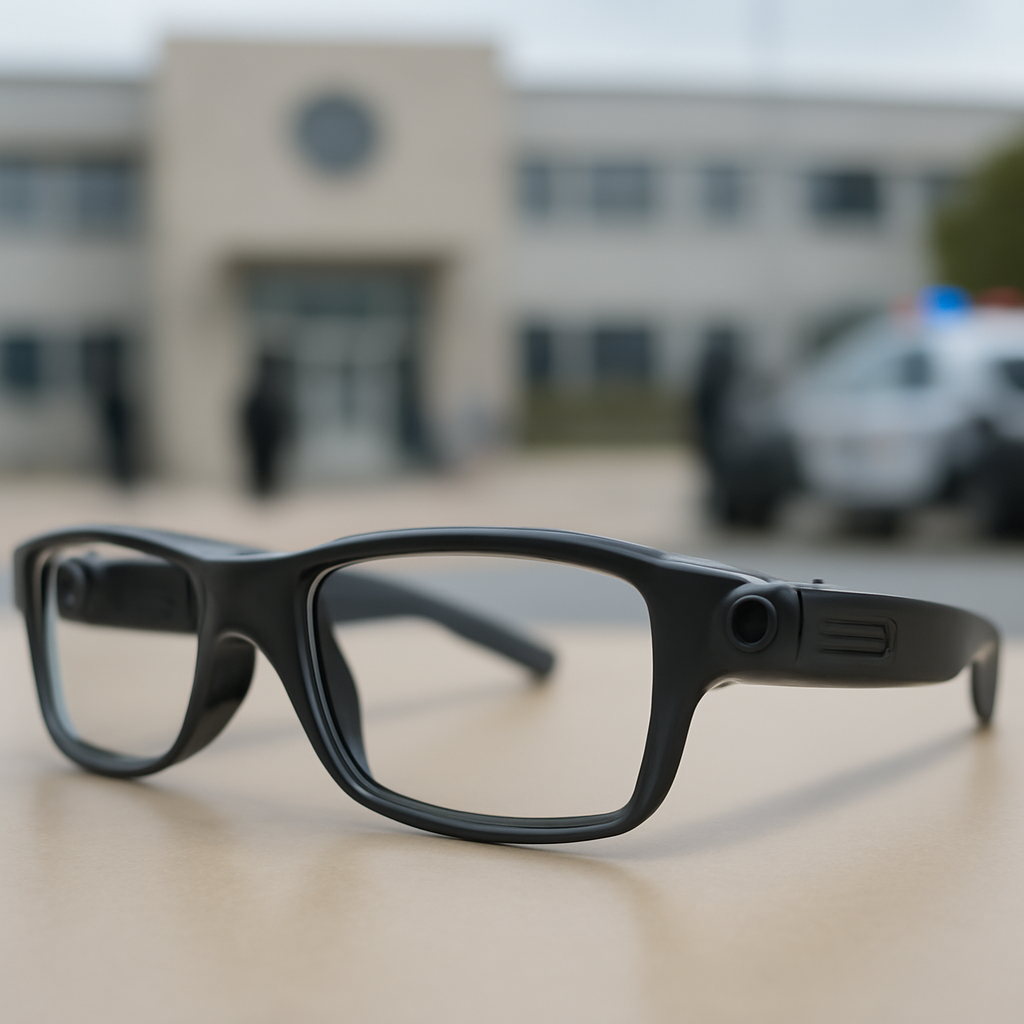
Imagine wearing eyeglasses that can instantly identify people in real-time - that's exactly what Immigration and Customs Enforcement (ICE) wants to deploy, and tech giant Meta is already working on a prototype with a Pentagon supplier.

Rights Groups Warn UK Over Biased AI Age Estimator for Asylum Seekers
Sixty-two leading rights organisations, including Amnesty International and Human Rights Watch, are urging the UK government to ditch its plans to use biased AI-powered facial age estimation on asylum seekers, citing substantial concerns about its fairness and accuracy. They're demanding answers on the technology's testing, training, and safeguards before it's rolled out in 2027.

UK Plans Facial Scans, ID Checks for Social Media Users
The UK government plans to revolutionize online safety by introducing facial scans and ID checks for social media users, starting with a ban on social media for under-16s. This move aims to give kids their childhood back and protect them from the potential harms of online platforms.

US Agencies Deploy Biometric Glasses, Sparking Surveillance Fears
Imagine a pair of smart glasses that can scan faces and instantly match them to records in multiple federal databases, raising serious concerns about surveillance and personal privacy. This technology, powered by facial recognition and other biometric signals, has sparked fears about the potential for real-time identification and the reliability of database records.

UK Judges Uphold Police Use of Live Facial Recognition in London
The High Court has ruled that the Metropolitan Police Service can continue using live facial recognition in London, confirming that the technology is lawful and effective in keeping the public safe. This decision is a major win for the MPS, which has been using LFR to tackle crime and protect Londoners.
Met Police Deploys Surveillance Tech to Tackle London Shoplifting
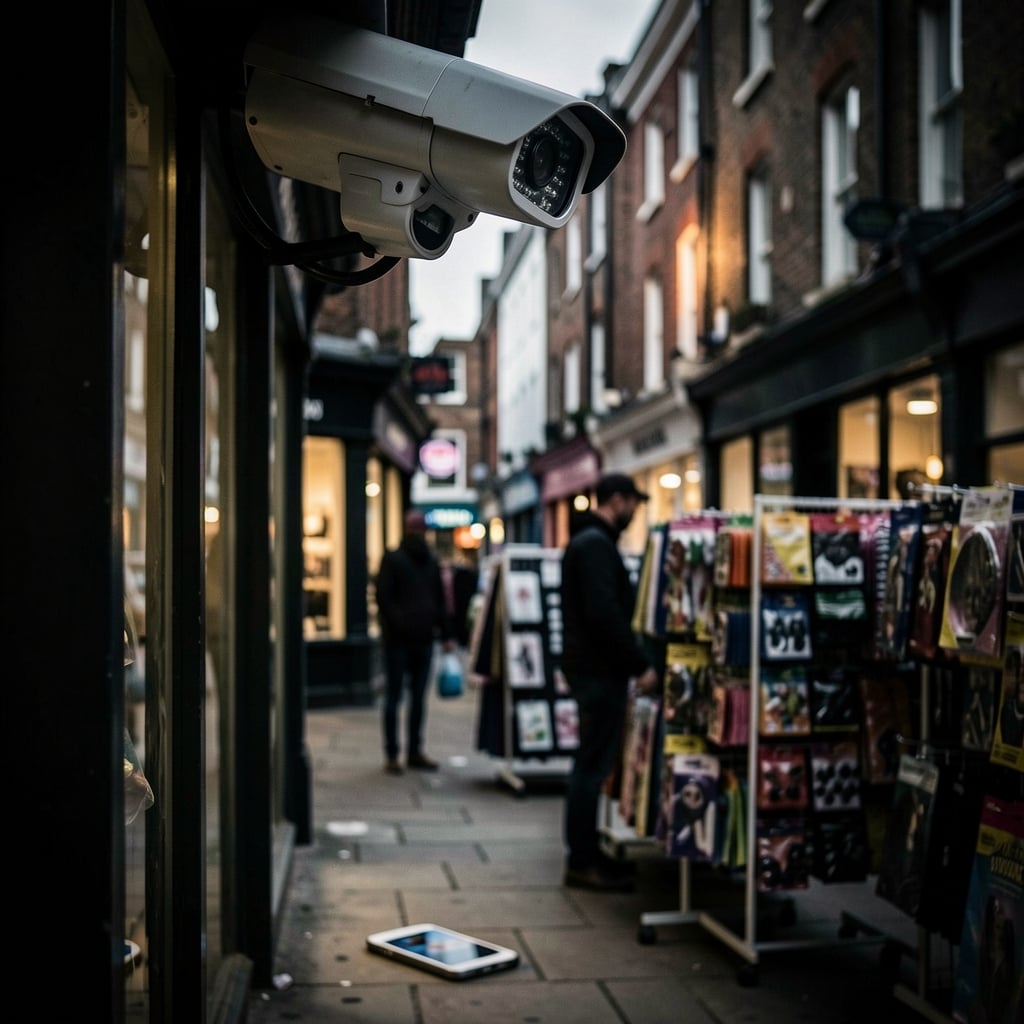
The Metropolitan Police are testing a cutting-edge retail technology to combat London's shoplifting epidemic, and it doesn't rely on live facial recognition - but what does that mean for citizen privacy?

Uncle Sam Demands DNA: Exclusive, Troubling Iris Scan
The Department of Homeland Security is proposing to collect iris scans, facial photos and cheek‑swab DNA from immigration applicants — and in some cases from U.S. citizens linked to those cases. Critics say the invasive move raises serious privacy, security and mission‑creep concerns, especially given the irreversible nature of biometric and genetic data.

Clearview AI Faces Stunning, Damaging Complaint in Austria
Austria’s criminal complaint against Clearview AI escalates a cross-border privacy showdown, turning years of regulatory scrutiny into potential criminal liability. If regulators can pursue firms across borders, what protection remains for people whose faces sit in scraped databases?
live facial recognition: Risky Must-Have for Safety
The government is encouraging police to try live facial recognition after the Met praised its Croydon deployment, but with courts and privacy watchdogs raising legal and bias concerns, ministers will publish guidance instead of forcing a nationwide roll‑out.

live facial recognition: Risky Exclusive Retail Trial
Sainsbury’s is trialling live facial recognition in two stores to catch repeat shoplifters, promising reduced losses and safer staff—but privacy advocates warn it’s intrusive, error-prone and could normalize constant surveillance. Will a few prevented thefts justify scanning shoppers’ faces, or will public concern and regulation redraw the line?

AI-Enabled Tech: Must-Have or Risky Fix
AI tools like smart sensors, predictive analytics, and biometrics are helping border agencies process flows faster and focus scarce resources where they matter most. But their benefits depend on strong safeguards—transparency, human oversight, and bias checks—to protect privacy and civil rights as systems scale.

facial recognition: Stunning Risks Expose Flaws
Lab-perfect facial recognition often stumbles in the real world—poor lighting, low-quality cameras, masks and demographic bias can turn high benchmark scores into risky guesses on the street. Before we let cameras decide who’s innocent or guilty, we need real-world testing, transparency, and rules that protect people.

live facial recognition Stunning but Risky Expansion
The UK’s decision to add 10 live facial‑recognition police vans has reignited a heated debate. Supporters say they’ll help catch suspects and protect public spaces, while campaigners warn they risk widening surveillance, entrenching bias and eroding public trust without stronger legal safeguards.

police facial recognition: Must-Have or Risky Deployment
Ten mobile facial‑recognition vans promise quicker suspect ID and faster missing‑person responses, but accuracy gaps, bias concerns and fuzzy legal safeguards mean we must insist on independent audits, clear transparency and enforceable limits before these systems become routine.

GDPR shoplifters photos Risky Warning — Must-Read
The U.K.’s ICO warns that sharing photos of suspected shoplifters can breach GDPR and unfairly tarnish people before guilt is proven. Retailers need to balance crime prevention with privacy rights and legal risk.

Shoplifters Photos GDPR: Exclusive Risky Warning
Think twice before sharing photos of suspected shoplifters: the ICO warns that public shaming—whether in-store or on social media—can breach GDPR and bring serious legal and reputational risks. As retailers hunt for deterrents, this reminder puts privacy, fairness and safer policing at the heart of the debate.