"Am I supposed to walk around fearful that I might be misidentified as a criminal?" asked Warren Rajah after an incident at a Sainsbury's branch in London's Elephant and Castle.
Sainsbury's plans to triple deployment by the end of 2026
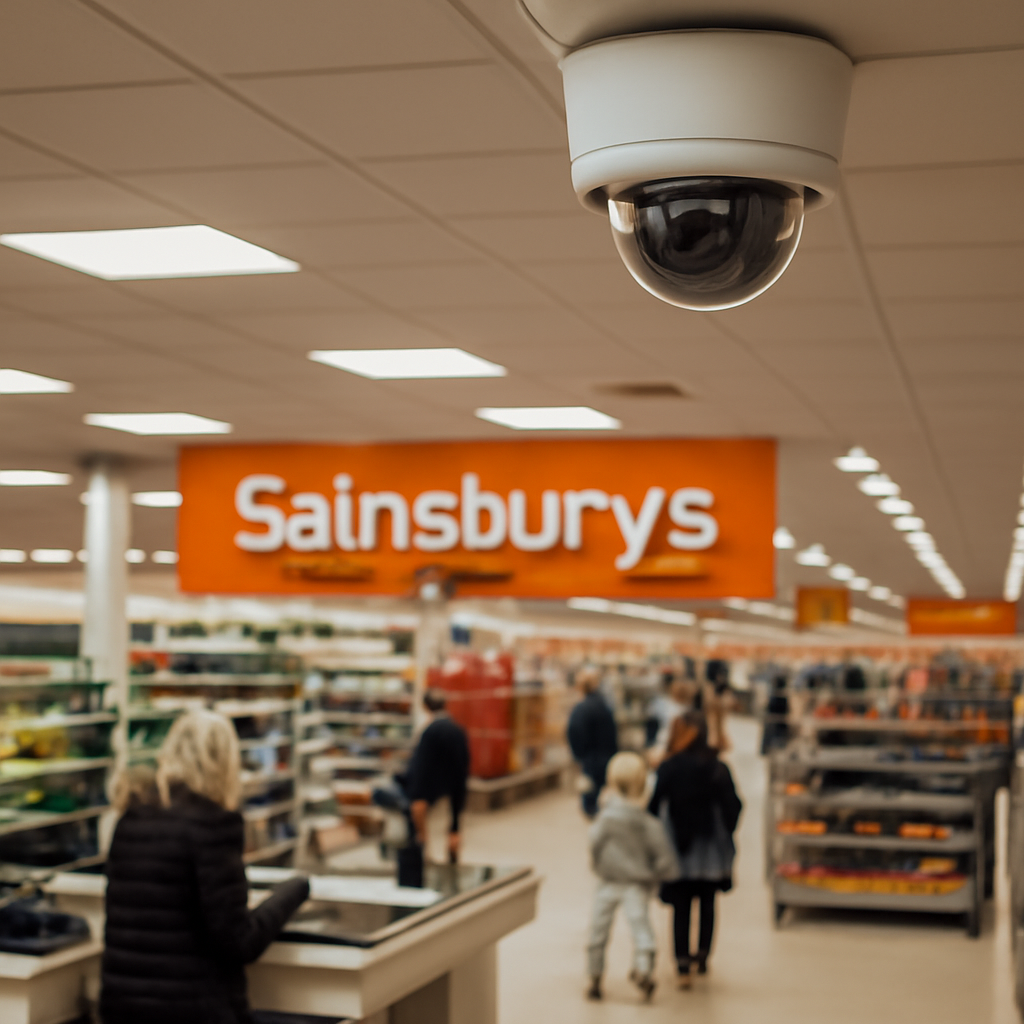
The UK's second largest supermarket has announced it will extend live facial recognition to up to 200 stores by the end of 2026. The retailer first trialed the technology at premises in Sydenham and Bath Oldfield Park from September last year, then expanded deployments to shops across London earlier in 2026. More than 55 Sainsbury's supermarkets were using the system at the time of reporting, and the company claimed that 90 percent of people identified through the system did not return to the store.
Facewatch supplies the system; other retail customers named
Sainsbury's is using a system provided by Facewatch. The same provider supplies technology to a range of other retailers, the report says, including supermarkets Budgens, Costcutter, Southern Co-op, and Spar, as well as the retailers B&M and Sports Direct. The expansion at Sainsbury's represents one of the largest retail rollouts of Facewatch's live facial recognition in the UK reported in the source material.

This site is the portfolio.
OSINTSights runs on Cloudflare Workers, D1, R2, and Vectorize, with an AI pipeline on Hetzner ARM. Nubivance designed, built, and operates it. We do the same for clients.
See what we buildBig Brother Watch calls the rollout "shameful"; consumer concerns grow
Privacy campaign group Big Brother Watch described the deployment as among the biggest expansions of facial recognition "surveillance" in the UK and warned of "very serious consequences for our privacy rights." The group's director, Silkie Carlo, said the mass rollout was a "shameful decision" that treats customers like suspects and put "millions of law-abiding people at serious risk of privacy intrusions and humiliating false shoplifting accusations." Big Brother Watch urged shoppers to take their business elsewhere and said it was being contacted by more shoppers trying to clear their names after what it described as "serious facial recognition mistakes."
Elephant and Castle incident: mistaken approach and supermarket response
Earlier this year at Sainsbury's Elephant and Castle branch, Warren Rajah, identified in reporting as a sales employee at tech reseller CDW, said he was wrongly removed from the premises after staff responded to an alert for a different person on the system's watchlist. Rajah described the episode as public "humiliation" and asked his question about fear of misidentification. Sainsbury's told The Register it had apologized for the mishap, promised further staff training, and stated: "This was not an issue with the facial recognition technology in use but a case of the wrong person being approached in store."
Use of facial recognition in UK policing and the wider debate
The source notes that the use of facial recognition is also expanding in policing across Britain, despite "longstanding concerns over bias and false positives." That context underpins public debate over whether retailers and law enforcement should widen use of live biometric systems when critics warn of mistakes and privacy harms.
What this means for Sainsbury's, Facewatch, and shoppers
- Sainsbury's: The company has signaled a major operational shift by committing to a roll‑out to as many as 200 stores. It is relying on Facewatch and will need to show whether procedures, including staff training, reduce incidents of mistaken approaches and customer complaints.
- Facewatch: As the supplier named in the deployment, continued expansion across multiple retail brands links the vendor's reputation directly to on‑the‑ground accuracy and to retailers' ability to manage alerts and customer interactions without causing harm.
- Shoppers and civil liberties groups: Big Brother Watch and affected individuals such as Warren Rajah illustrate the reputational and privacy risks highlighted by critics, who are urging customers to boycott stores using the technology and seeking redress after alleged false identifications.
The facts reported present a clear trade‑off outlined by the actors themselves: Sainsbury's frames the technology as an operational tool that has reduced returns by people flagged on watchlists, while campaigners and at least one publicized incident stress the social and personal costs of misidentification. Whether the promised staff training and retailer safeguards will prevent further episodes of mistaken approach — and whether that will alter public response or regulatory attention — are the immediate questions left in play.