Tag: critical infrastructure
636 articles

Pentagon Moves to Ease Industry Burden on Critical Mineral Restrictions
The Pentagon is giving industries a break, offering a phased approach to ease restrictions on critical minerals sourced from China and other prohibited countries, with a deadline to adapt by early 2027. They're also pledging to collaborate with companies to ensure a smooth transition.

Pentagon Tightens Rules on Critical Mineral Waivers
The Pentagon is tightening its rules on critical mineral waivers, following President Trump's executive order aimed at securing America's defense supply chains and prioritizing domestic acquisition of critical materials. This move closes a loophole that previously allowed the Pentagon to bypass restrictions on buying strategic materials from certain countries.
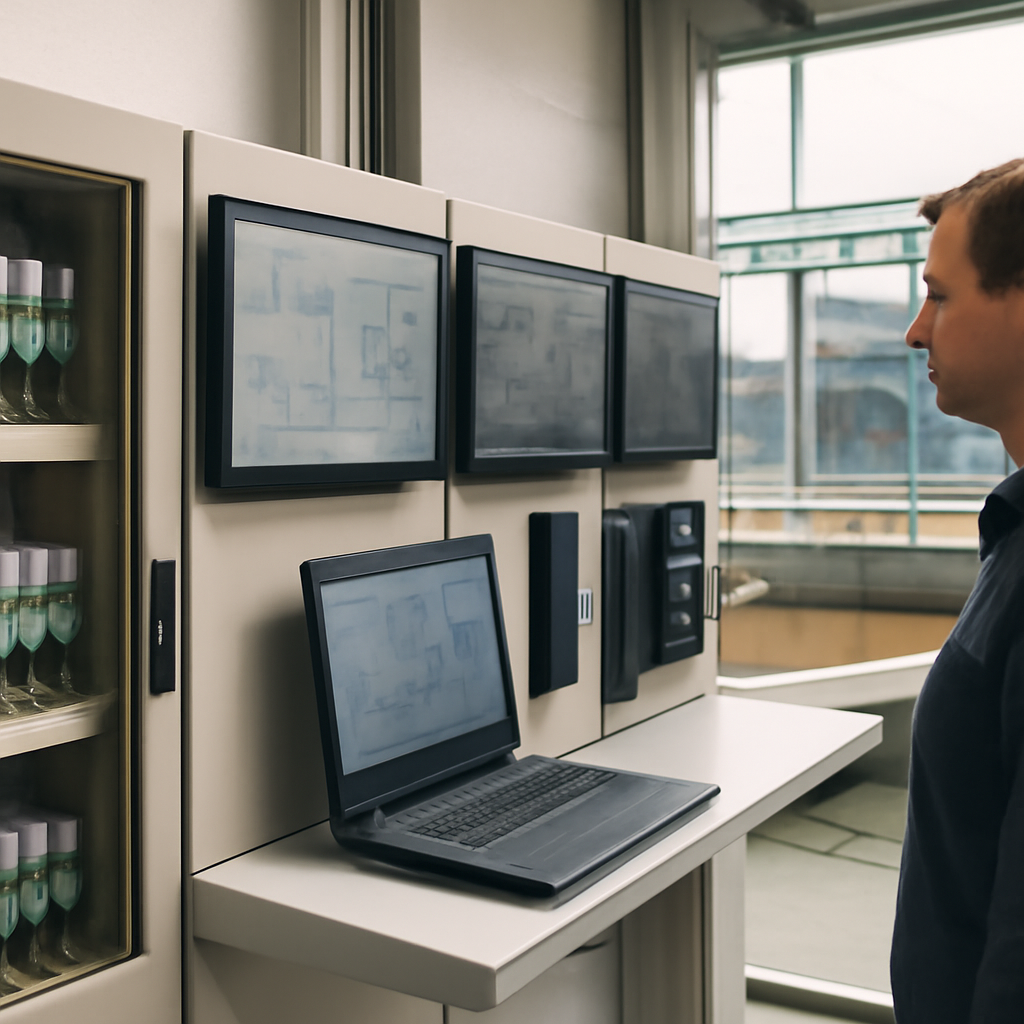
CISA Warns of Targeted Cyberattacks on US Water Utilities
CISA is sounding the alarm: if your water utility's programmable logic controllers are exposed to the internet, you're a prime target for cyberattacks - so take action now and remove them from public exposure to safeguard your operations.

Minnesota Water Systems Hit by Coordinated Cyberattack
A coordinated cyberattack hit over 30 Minnesota community water systems, prompting a swift response from state and federal teams to contain the intrusion and mitigate immediate impacts on local water operations. The breach caused significant disruptions, with some cities like Braham forced to go offline and ask residents to conserve water.

Iran-linked CyberAv3ngers targets US water systems
A coordinated cyberattack recently hit over 30 community water systems in Minnesota, prompting a swift response from state officials to ensure public health and safety. The Minnesota Department of Health is working closely with affected facilities to mitigate the impact and prevent any disruptions to drinking water supplies.

Minnesota Water Utilities Targeted in Coordinated Cyberattack
A coordinated cyberattack has left over 30 Minnesota communities without access to water services, with officials working swiftly to contain and investigate the damage. Minnesota Information Technology Services is leading the response, sharing vital threat intelligence and guiding affected utilities through the recovery process.

US, Australia Urge Critical Infrastructure to Isolate Vital Systems During Cyberattacks
Stay ahead of cyber threats: the US and Australia are urging critical infrastructure operators to isolate vital systems during cyberattacks to minimize damage and protect essential services. A new advisory provides practical guidance on how to plan for and execute a safe disconnection from vulnerable networks.

IPMI Vulnerability Exposes 24,650 Server Management Interfaces
A recent security researcher found that over 30% of server management interface passwords can be easily cracked using common wordlists and factory default patterns, exposing a massive 24,650 interfaces to potential threats. This startling vulnerability, CVE-2013-4786, allows hackers to gain unauthorized access to sensitive server management hardware.
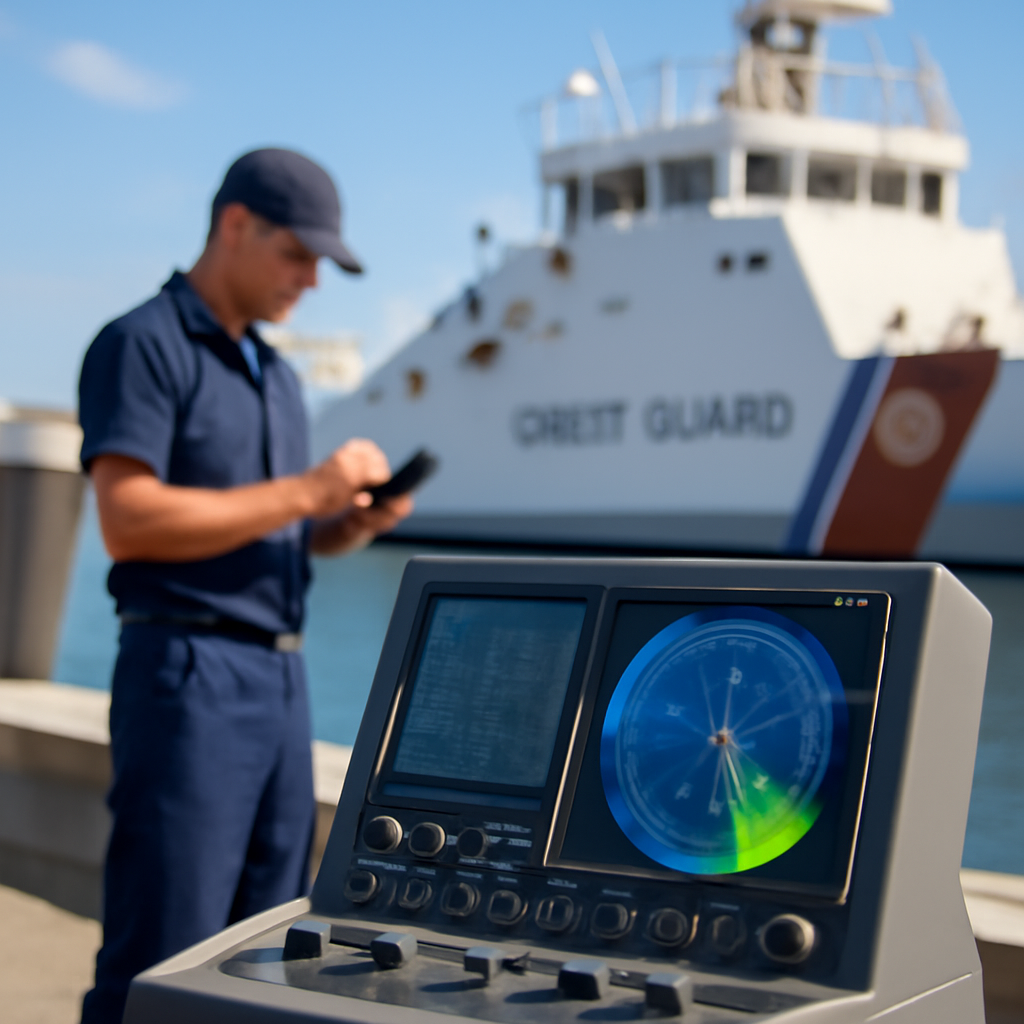
US Coast Guard Seeks Tech to Counter Unmanned Underwater Vehicles
The US Coast Guard is on the hunt for cutting-edge tech that can not only detect but also defeat and mitigate unmanned underwater vehicles (UUVs) that could be used for malicious activities like smuggling, sabotage, and surveillance. They're seeking systems with a powerful punch that can effectively neutralize these underwater threats.

G7 Seeks Allies to Diversify Critical-Mineral Supply Chains
The G7 is rallying allies to join forces in securing critical minerals, aiming to reduce reliance on any single supplier to less than 60% by 2030. By diversifying supply chains and strengthening production, the group hopes to build a more resilient and secure global market.

CISA Faces Industry Pushback on Cyber Incident Reporting Rule
Industry leaders are pushing back on a proposed cyber incident reporting rule, arguing it casts too wide a net, with one critic saying it would ensnare far too many companies. The rule, aimed at bolstering national security, has sparked concerns about its broad scope and reporting requirements.
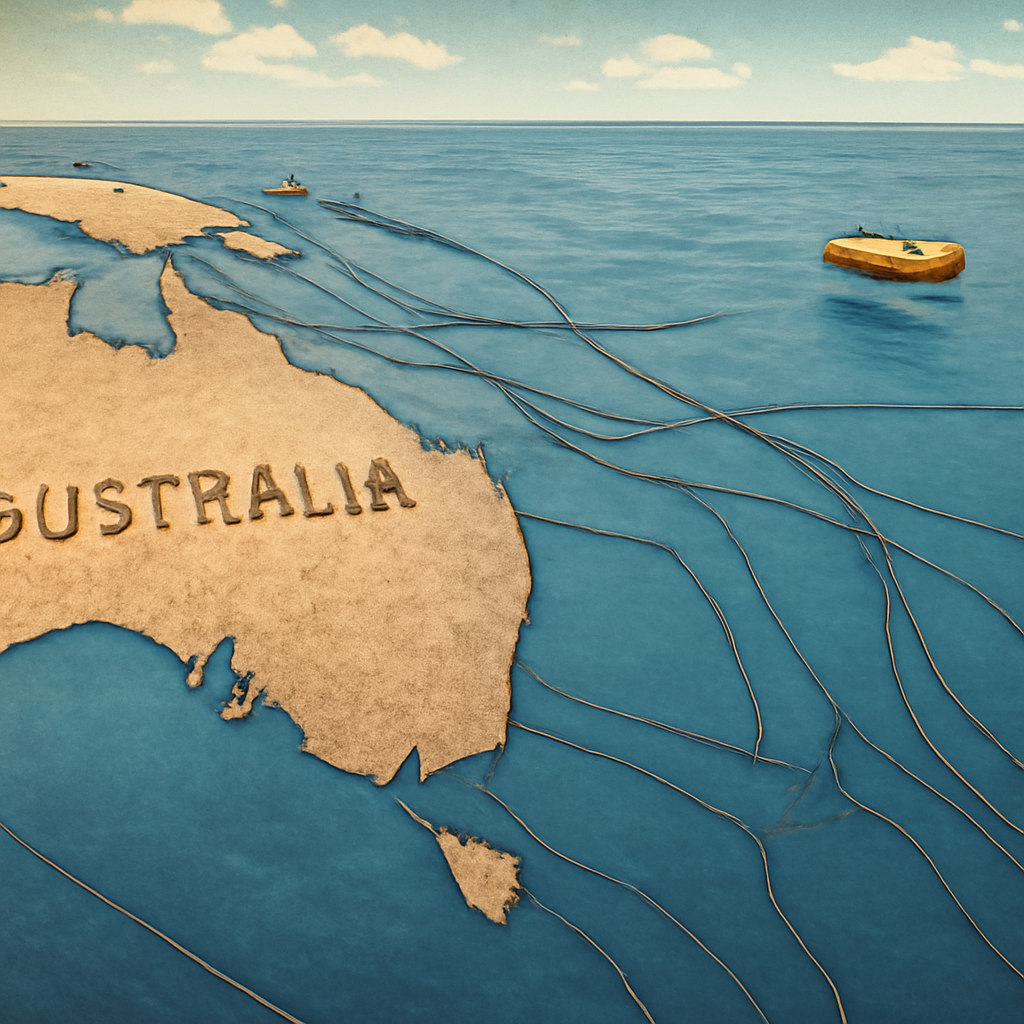
Australia's Defence Faces Urgent Test in Autonomous Systems Race
Australia's internet lifelines are under attack, with a growing number of subsea cable damages threatening the nation's digital infrastructure - and Defence Minister Richard Marles warns that the frequency and scale of these incidents is historically unprecedented. Roughly 99 percent of Australia's internet traffic relies on just 15 of these vulnerable cables.
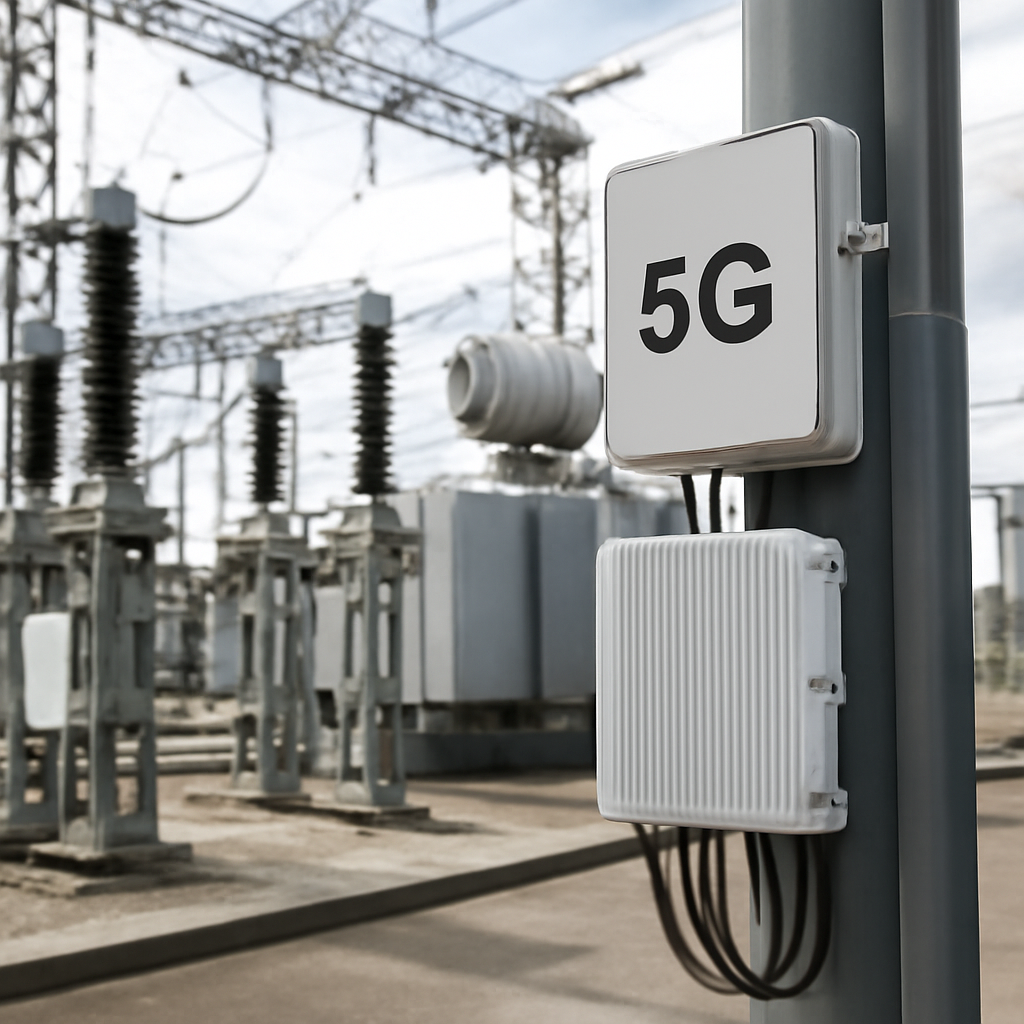
Government Urged to Harden Private 5G Networks Against China-Backed Threats
Imagine having an invisible backdoor to your most sensitive information - that's what happened when China-backed hackers infiltrated private 5G networks, leaving no limits to what they could access or manipulate. Government agencies and cybersecurity experts warn that these threats, known as Salt Typhoon and Volt Typhoon, have been targeting US networks for years.
CISA Overhauls Cybersecurity Collaboration with ANCHOR-CI Framework
The Cybersecurity and Infrastructure Security Agency (CISA) has unveiled a game-changing collaboration framework, ANCHOR-CI, to revolutionize how the federal government and private partners work together to protect critical infrastructure. This fresh approach replaces the two-decade-old CIPAC model, promising a more effective and resilient cybersecurity partnership.

Pentagon Seeks Industry Cooperation on Critical Mineral Supply Chain Overhaul
The Pentagon is calling on industry partners to collaborate on a critical mineral supply chain overhaul, with a focus on friendshoring, domestic shoring, and supplier changes to reduce reliance on high-risk foreign sources. By presenting credible plans, contractors may be able to negotiate flexible timelines with the Pentagon, ahead of the 2027 deadline set by a new executive order.

CISA Warns of Iranian Hackers Targeting Industrial Control Systems
The US Cybersecurity and Infrastructure Security Agency (CISA) has issued a warning about Iranian hackers targeting Industrial Control Systems, specifically programmable logic controllers (PLCs) used in critical infrastructure organizations. This alert comes after the FBI observed malicious activity, including data manipulation and operational disruption, at a US-based facility.

Zero Trust Bolsters Critical Infrastructure Against Identity Threats
A single compromised account, like the inactive VPN login used to breach Colonial Pipeline in 2021, can have devastating ripple effects - just imagine a national crisis triggered by a simple vulnerability. The Colonial Pipeline ransomware attack is a stark reminder of the catastrophic consequences that can unfold when critical infrastructure is compromised.
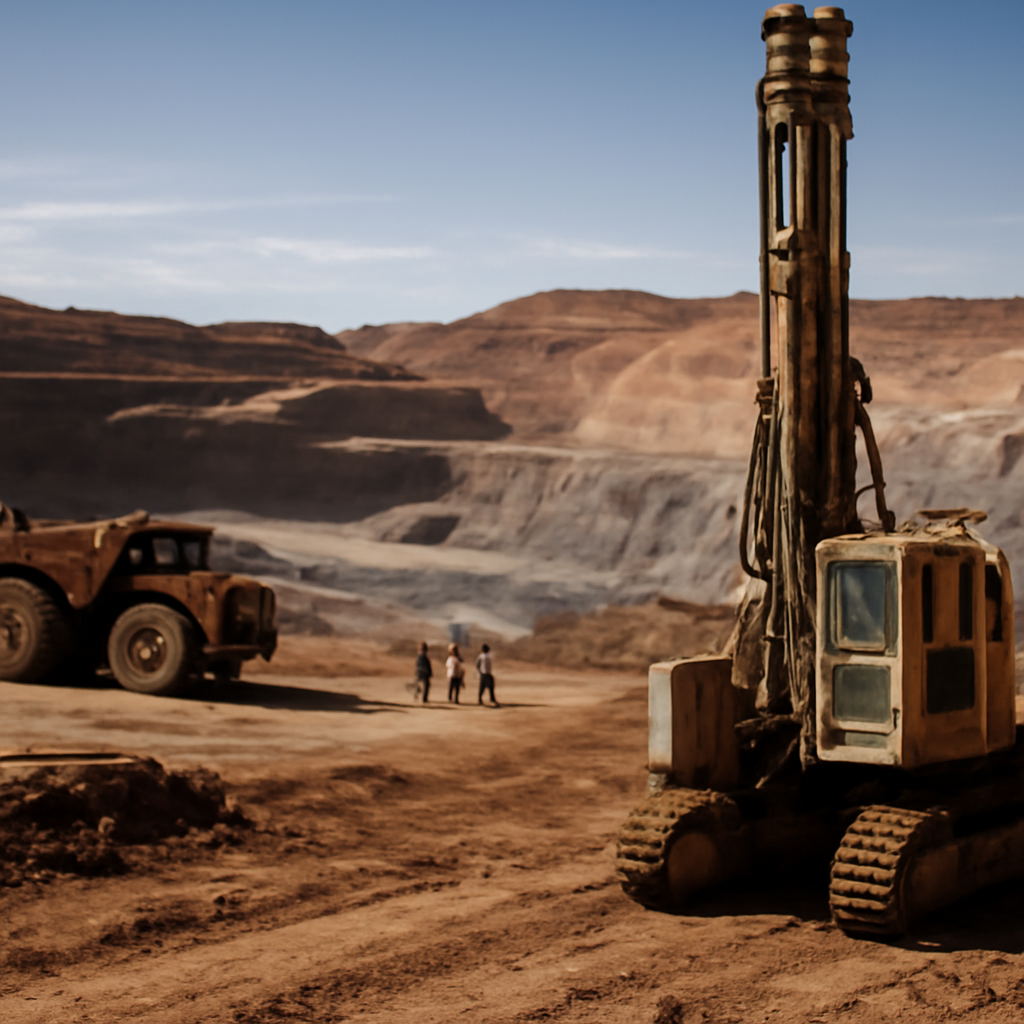
Australia Urged to Rethink Critical Minerals Strategy with Antimony Focus
Australia's critical minerals strategy needs a reboot, particularly when it comes to antimony, as the country's current production of just 1,300 tonnes pales in comparison to China's 40,000 tonnes, amidst a tightening global market where control and geopolitics are increasingly calling the shots.
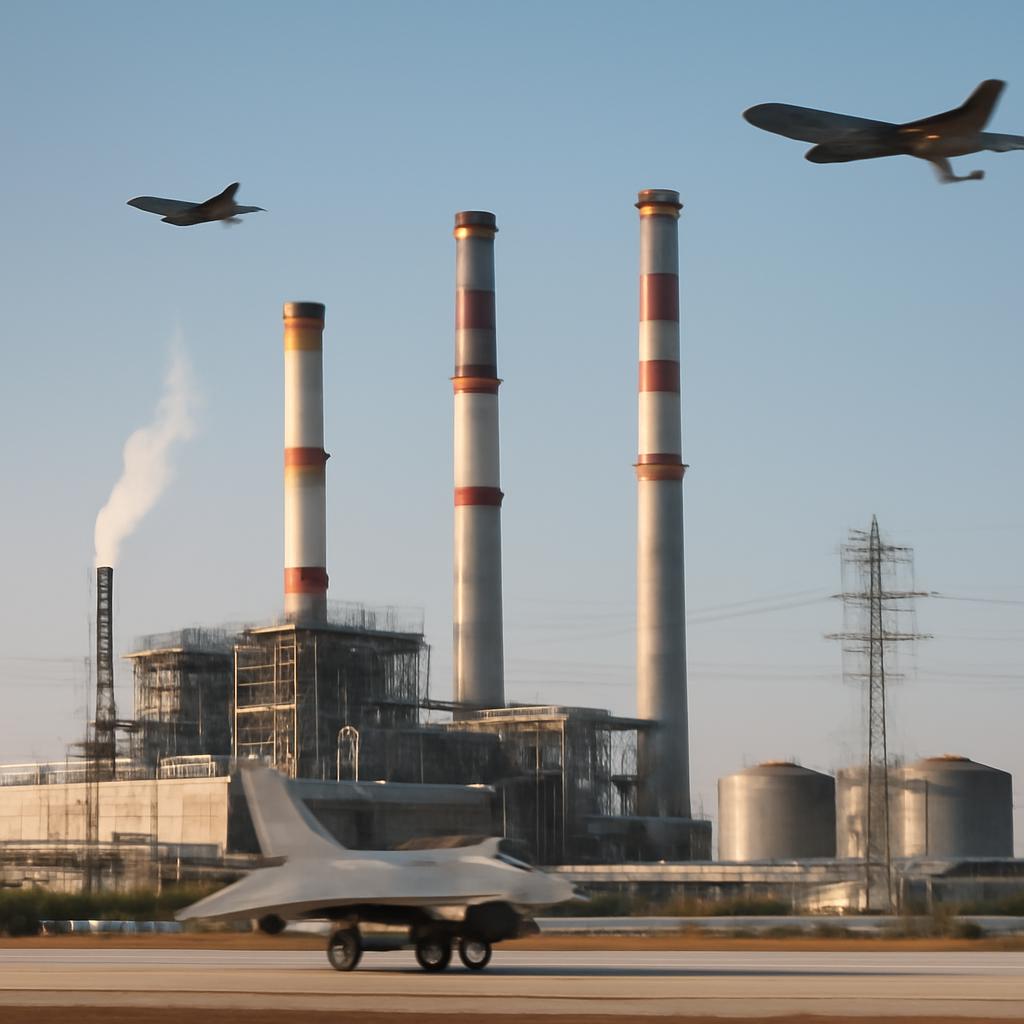
US, Iran Escalate Strikes on Infrastructure Targets
Tensions are running high as the US and Iran exchange blows, with President Trump vowing to hit hard and expand targets to power plants and bridges, sparking a week of escalating strikes and counterattacks on infrastructure across the region. The Pentagon is ramping up its military presence, shifting aviation and tanker assets into position to support the growing conflict.
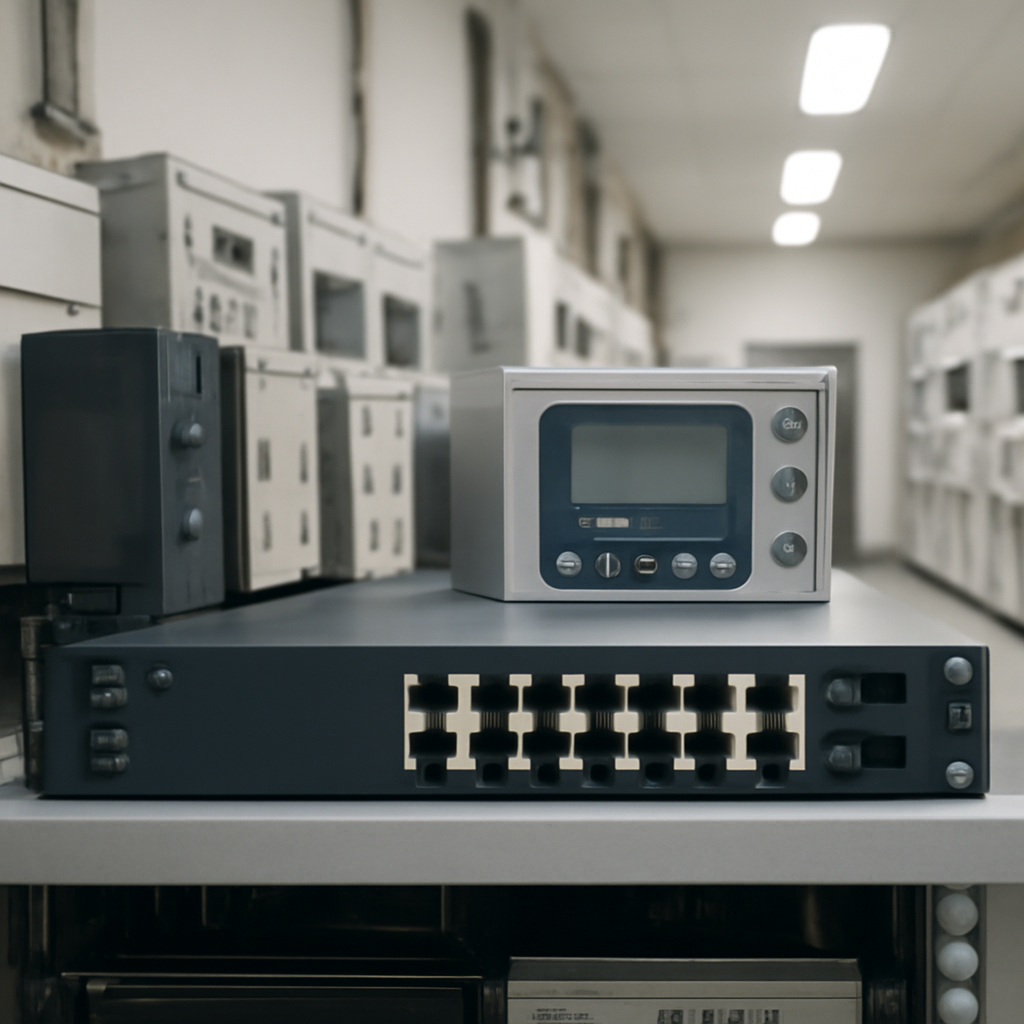
Siemens ROX II Zero-Days Expose Critical Infrastructure Risks
Our research team, in close collaboration with Siemens, uncovered a critical vulnerability chain of three zero-day exploits in Siemens ROX II operational-technology switches, posing significant risks to critical infrastructure security. This chained exploit could allow attackers to escalate from basic reconnaissance to full root-level control.

US Indicts Russians for Running Bulletproof Hosting Services
The FBI has struck a major blow against cybercrime by indicting three Russian nationals and two companies for operating bulletproof hosting services that enabled devastating attacks on US critical infrastructure. This significant move disrupts the backbone of cybercriminal operations, dealing a crucial win for online safety.

US Charges Russian Nationals for Bulletproof Hosting Services
US authorities have charged three Russian nationals with operating illicit bulletproof hosting services that enabled cybercrime, affecting victims across 21 states, including banks, schools, hospitals, and media companies. The accused, Aleksandr Volosovik, Yulia Pankova, and Kirill Zatolokin, allegedly facilitated a range of malicious activities through their services.

US Treasury Disrupts Ransomware Networks with Sanctions on VPN, Malware Providers
The US Treasury has cracked down on ransomware networks by sanctioning a VPN provider and its administrator, who allegedly helped cybercrime groups hide their tracks and evade detection. This move aims to disrupt the tools and services that enable devastating attacks causing billions of dollars in losses to US critical infrastructure providers.
Russian Hackers Target Network Devices With Exploits
Russian hackers, linked to the Federal Security Service's Center 16, have been actively targeting critical US and foreign networks across multiple sectors, including defense, energy, and healthcare, for over a decade. This ongoing threat has compromised networks in various industries, posing significant risks to national security and global stability.