"Malicious actors can employ UUVs for a range of activities, including intelligence gathering, surveillance, smuggling, sabotage of critical infrastructure, and kinetic strikes," the notice said.
Coast Guard Research and Development Center seeks defeat-capable systems
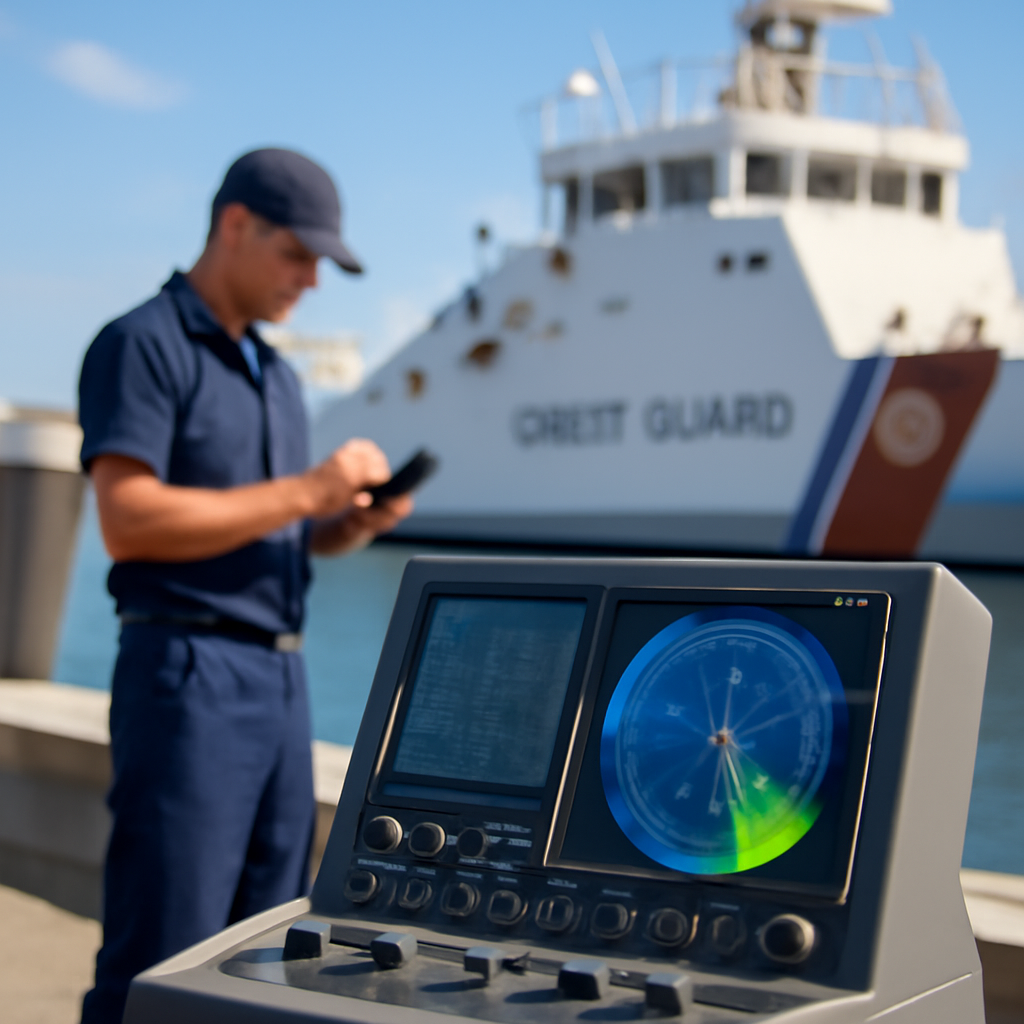
The U.S. Coast Guard is actively soliciting commercially available technologies that do more than detect unmanned underwater vehicles (UUVs): they must be able to defeat and mitigate them. In a request for information published on Friday, the Coast Guard Research and Development Center made clear that “solutions without defeat capabilities will not be considered,” and that only systems with an effector or direct mitigating capabilities, or with detection, tracking, identifying, and mitigating capabilities, meet the requirement.
Technical constraints: defeat, scalability, and integration
The notice specifies three interlocking constraints vendors must satisfy. First, any proposed system must include a defeat mechanism — not merely sensors. Second, defeat solutions should be “scalable and adaptable for compatibility with existing detection systems and/or various configurations for different ports.” Third, the Coast Guard is prioritizing solutions that have completed field testing and can be procured and deployed to strengthen port, waterways, and coastal security operations.

Audit-ready is a season. It shouldn't be.
Evidence in spreadsheets, controls drifting between audits, frameworks multiplying on flat headcount. Nubivance runs continuous compliance on Rapid7 Cyber GRC - SOC 2, HIPAA, ISO 27001, PCI, CMMC.
End the scrambleOperational backdrop: Red Sea strikes and recent unmanned surface vessel use
The RFI frames the procurement need against recent operational incidents. The notice cites U.S. forces' self-defense strikes during a Houthi attack in the Red Sea in February 2024, when forces engaged mobile anti-ship cruise missiles, an unmanned surface vessel, and a UUV — an episode U.S. Central Command described as the first known instance of Houthi forces using a UUV since attacks began in October 2023, per CENTCOM. The notice also points to a separate episode "this month" in which U.S. forces used an unmanned surface vessel to strike a submarine and ship maintenance facility in Iran, noting it marked the first time the U.S. has employed such vessels in combat. Those events are cited as evidence of an increase in threats from unmanned maritime systems and as reasons defeat technologies are “an essential piece in the kill chain.”
What the Coast Guard is asking vendors to provide and how testing may proceed
Respondents to the notice must supply details on products or systems available for procurement by Aug. 7. The Coast Guard wants information on sensor platforms, kinetic solutions, and integrated response solutions that support ports, waterways, and coastal security. The notice states the agency may schedule maritime tests for proposed solutions following responses — an explicit signal that field trials could follow vendor submissions to confirm real-world capability rather than rely on lab demonstrations alone.
What this means for technologists, procurement leaders, and ports
- Technologists and security teams: The Coast Guard's insistence on defeat-capable, field-tested systems shifts the bar from pure detection to actionable effectors. Companies that have developed sensors but not integrated mitigation mechanisms risk exclusion unless they can demonstrate a partnered or integrated defeat path.
- Procurement leaders and program managers: The Aug. 7 response window and the stated preference for systems that have completed field testing create a compressed timeline to qualify offerings. The notice's mention that the Coast Guard "may schedule maritime tests" signals that procurement will be contingent on operational demonstration, not just paperwork.
- Ports, waterways, and coastal operators: The requirement that defeat solutions be scalable and compatible with existing detection systems frames these operators as intended end users — their deployment environments, configurations, and interoperability needs are explicit constraints vendors must consider.
The Coast Guard's notice ties procurement language directly to recent incidents and to a specific, near-term schedule. Whether suppliers can present defeat-ready, field-tested systems by Aug. 7 — and then demonstrate them in maritime tests if asked — will determine how quickly ports and coastal facilities can move from detection to active mitigation. The agency has made clear that detection alone is insufficient: defeating the underwater threat must be a purchaseable capability.