Supporting the Warfighter and the Mission Extends Beyond Frontline Modernization to Back-Office Functions
Introduction
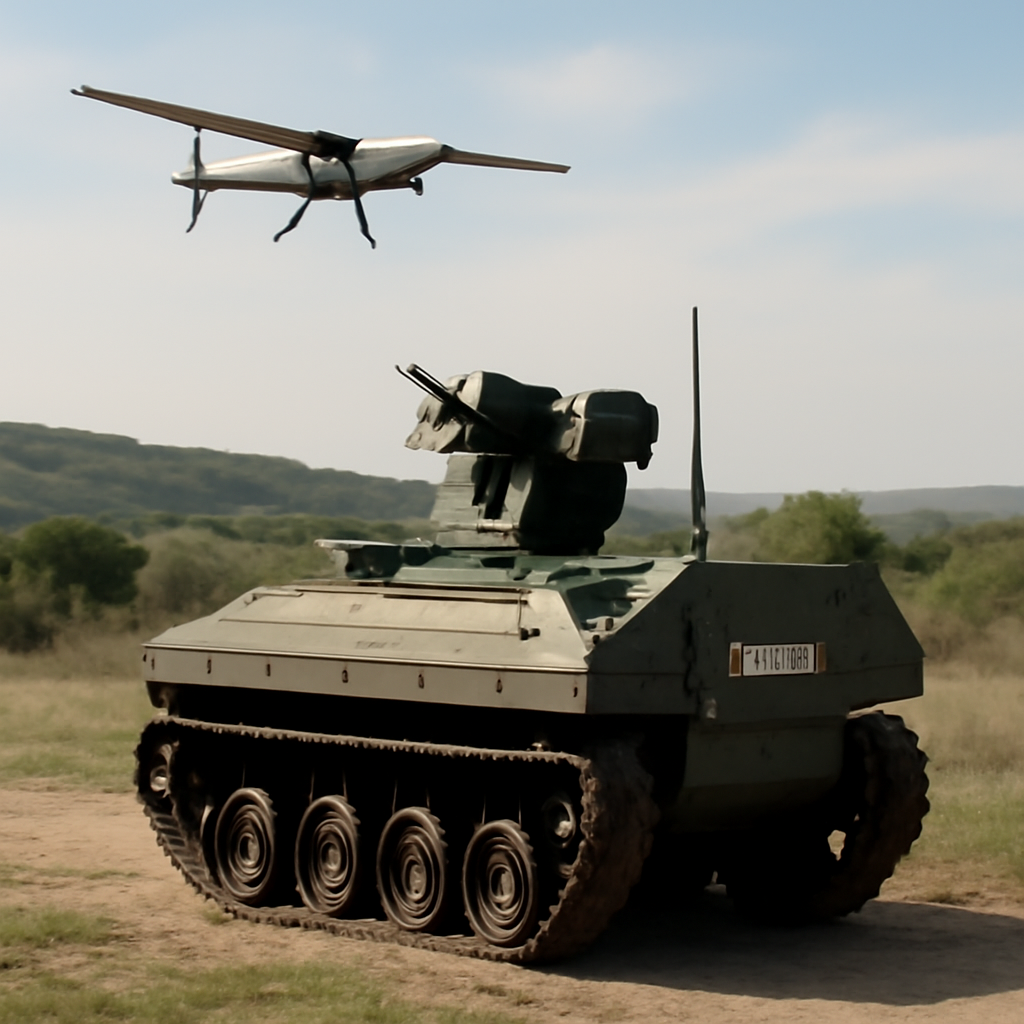
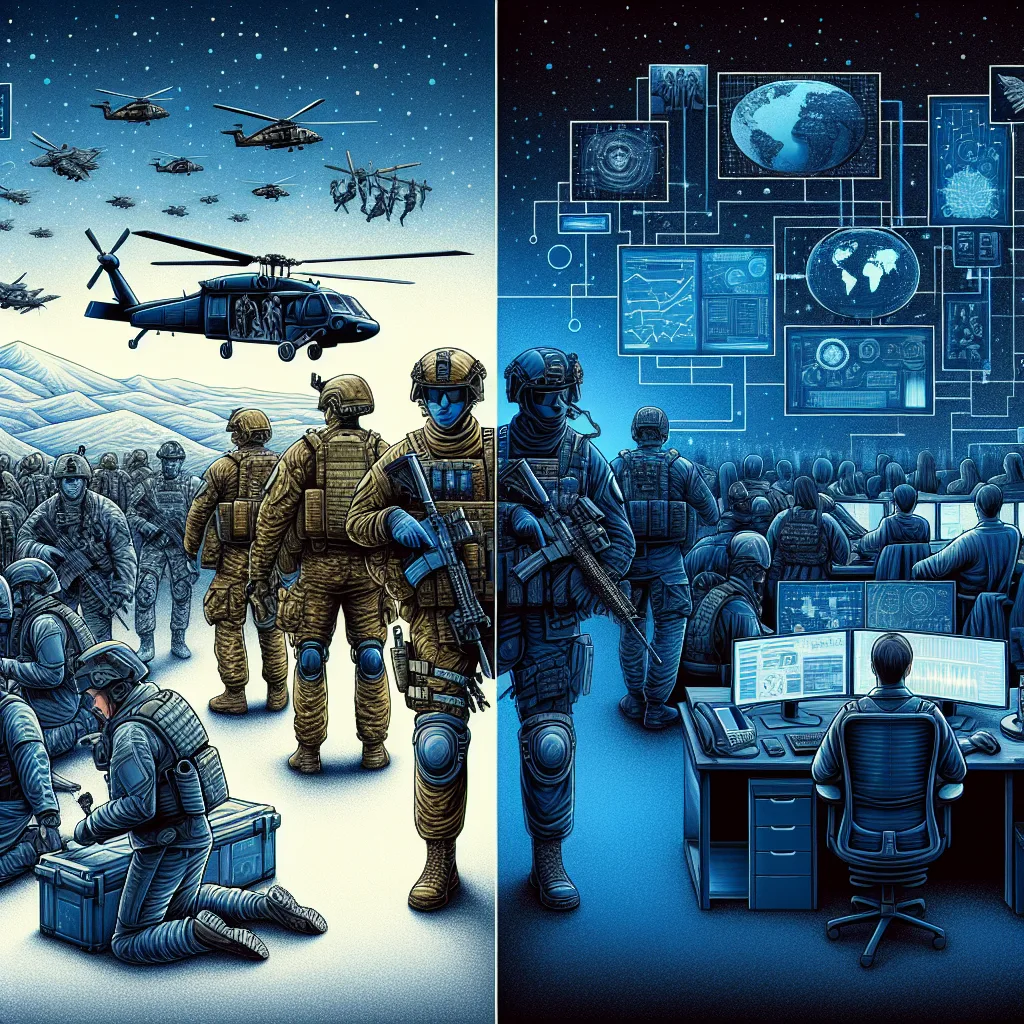
Modernization within the Department of Defense (DoD) is often framed around the need to enhance capabilities that directly support the warfighter. This includes advancements in weaponry, communication systems, and tactical operations. However, a comprehensive approach to modernization must also encompass back-office functions that are critical to the overall mission effectiveness. This report delves into the multifaceted nature of modernization, emphasizing the importance of integrating both frontline and back-office enhancements to ensure a robust support system for the warfighter.
The Importance of Back-Office Modernization
Back-office functions, which include logistics, supply chain management, human resources, and financial operations, play a pivotal role in the success of military operations. Modernizing these areas can lead to significant improvements in efficiency, cost-effectiveness, and operational readiness. Key aspects of back-office modernization include:
- Logistics Optimization: Streamlining supply chains through advanced data analytics and automation can reduce delays and ensure that troops have timely access to necessary resources.
- Human Resource Management: Implementing modern HR systems can enhance recruitment, training, and retention of personnel, ensuring that the military is staffed with skilled individuals ready for deployment.
- Financial Management: Upgrading financial systems can improve budgeting processes, reduce waste, and enhance transparency, allowing for better allocation of resources.
Historical Context of Back-Office Functions
Historically, the DoD has faced challenges in managing back-office functions effectively. For instance, during the Gulf War, logistical inefficiencies led to delays in the delivery of supplies, which hindered operational effectiveness. Lessons learned from past conflicts have underscored the necessity of integrating modern technologies and practices into back-office operations. The introduction of systems like the Global Combat Support System (GCSS) has been a step towards addressing these challenges, but further modernization is essential.
Technological Advancements Driving Modernization
Several technological advancements are driving the modernization of back-office functions within the DoD:
- Artificial Intelligence (AI): AI can enhance decision-making processes in logistics and supply chain management by predicting demand and optimizing inventory levels.
- Cloud Computing: Cloud-based solutions facilitate real-time data sharing and collaboration across different departments, improving operational efficiency.
- Blockchain Technology: Implementing blockchain can enhance transparency and security in supply chain management, reducing the risk of fraud and errors.
Security Implications of Modernization
While modernization offers numerous benefits, it also presents security challenges that must be addressed. The integration of advanced technologies can create vulnerabilities that adversaries may exploit. Key security considerations include:
- Cybersecurity Risks: As back-office functions become more digitized, the risk of cyberattacks increases. Ensuring robust cybersecurity measures is essential to protect sensitive data and maintain operational integrity.
- Supply Chain Security: Modernization efforts must include strategies to secure supply chains against disruptions, whether from cyber threats or physical attacks.
Economic and Diplomatic Considerations
The economic implications of modernizing back-office functions are significant. Efficient operations can lead to cost savings, allowing the DoD to allocate resources more effectively. Additionally, modernization can enhance the U.S.’s diplomatic standing by demonstrating a commitment to innovation and efficiency in defense operations. This can foster stronger alliances and partnerships with other nations, as collaborative efforts in defense technology become increasingly important.
Conclusion
In conclusion, supporting the warfighter extends far beyond the battlefield. A holistic approach to modernization that includes both frontline capabilities and back-office functions is essential for ensuring mission success. By leveraging technological advancements and addressing security implications, the DoD can create a more efficient, effective, and resilient military force. The integration of modern practices in logistics, human resources, and financial management will not only enhance operational readiness but also contribute to the overall effectiveness of U.S. defense strategies.