“How do you prepare to fight a war you’ve never seen?” This question haunts military strategists and technologists alike as the landscape of modern combat grows ever more complex and interconnected. With threats evolving in speed and sophistication, the U.S. Navy’s latest move to integrate advanced simulation capabilities—specifically, the E-2D Special Program Advanced Readiness Trainer Afloat / Ashore (SPARTA)—into the Joint Simulation Environment (JSE) marks a significant step in addressing this very challenge.
Collins Aerospace is set to deliver the first fully integrated SPARTA system at Naval Air Station Patuxent River by the summer of 2025. This deployable simulation system will bring critical E-2D Hawkeye capabilities to the JSE, a multi-domain synthetic environment designed to train, test, and evaluate joint force operations. The addition is expected to enhance readiness, offering operators and planners a sophisticated tool to replicate the complexity of modern naval air command and control scenarios.
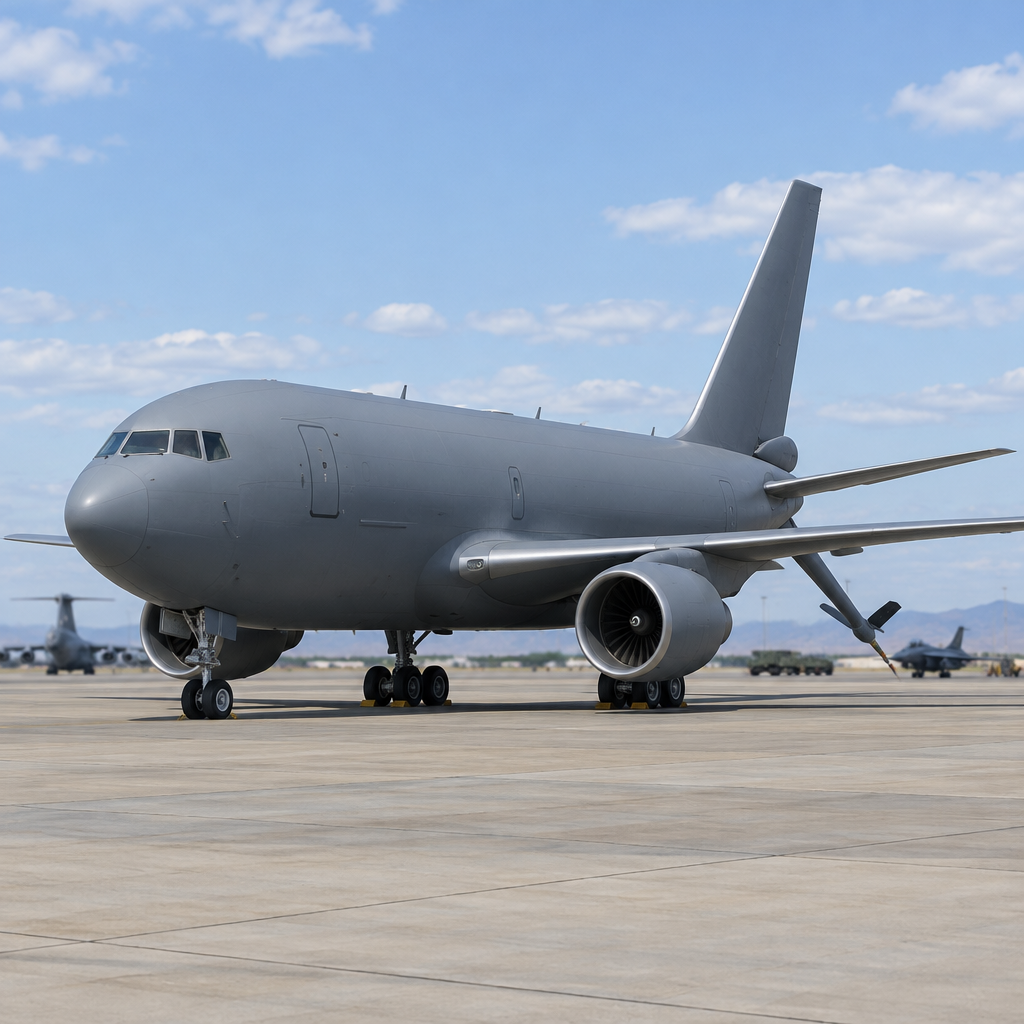
The E-2D Advanced Hawkeye is a cornerstone of U.S. Navy carrier strike group operations, serving as an airborne early warning and battle management aircraft. Its ability to detect, track, and communicate threats is vital in today’s contested maritime spaces. However, training personnel and systems to operate effectively with such advanced technology has historically been resource-intensive, requiring live flights and expensive exercises. Herein lies the appeal of SPARTA: it simulates the E-2D’s sensor suite and command-and-control functionalities in a synthetic environment, reducing costs while increasing flexibility and realism.
Rear Admiral Samuel Cox, Director of the Naval Air Warfare Center Aircraft Division, remarked during a 2023 symposium, “Integrating E-2D capabilities into the Joint Simulation Environment is a game-changer. It allows us to execute more realistic, joint, and distributed training scenarios, bridging the gap between live exercises and operational demands.” The JSE itself is not new but has been evolving as a hub where Air Force, Navy, Marine Corps, and allied forces can intersect virtually to rehearse complex missions. The SPARTA integration will fill a vital gap—bringing airborne early warning and control into this interconnected training fabric.
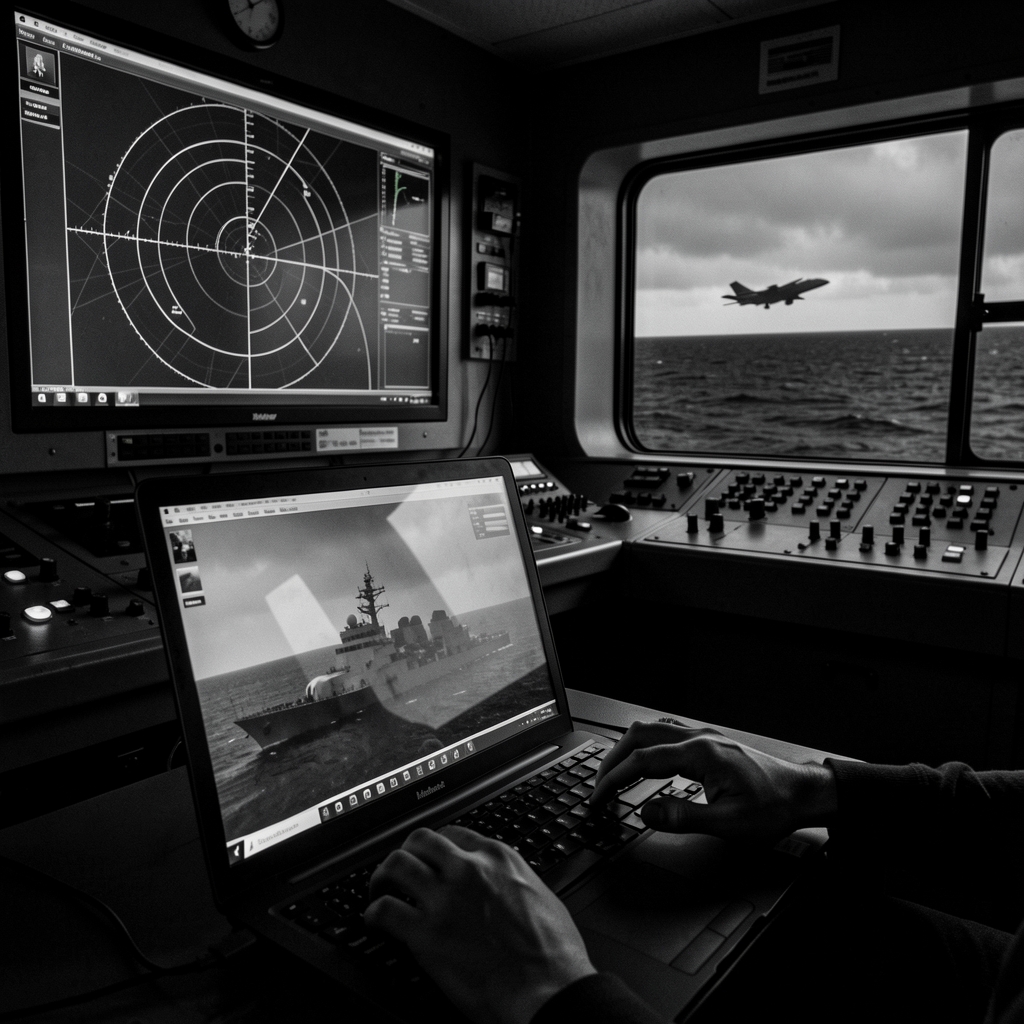
From the perspective of military technologists, the challenge has always been replicating the multifaceted sensors and communications systems of the E-2D in a synthetic domain without losing fidelity. Collins Aerospace’s SPARTA program leverages advanced modeling and simulation frameworks that replicate radar, identification friend or foe (IFF) systems, data links, and mission systems with high fidelity. This, combined with JSE’s ability to link multiple platforms and domains, means that trainees can experience realistic electromagnetic and cyber environments, making training scenarios much closer to actual combat conditions.
Policymakers and defense planners also stand to benefit significantly. The U.S. Department of Defense has emphasized distributed training and multi-domain operations as priorities in recent strategic guidance. “Effective simulation capabilities reduce the need for costly and logistically challenging live exercises, enabling more frequent and diverse mission rehearsal,” stated a 2022 report from the Office of the Under Secretary of Defense for Acquisition and Sustainment. Moreover, given geopolitical tensions—particularly in contested regions like the Indo-Pacific—the ability to train rapidly and adaptively across multiple services enhances deterrence and operational readiness.
Users, the pilots, operators, and mission planners, will find themselves better prepared. The SPARTA-integrated JSE environment promises more immersive and complex scenarios, helping crews to understand the dynamics of contested electromagnetic environments, cyber disruptions, and joint force coordination. Rear Admiral James Kilby, former Commander of the U.S. Navy’s Airborne Command and Control Wing, explained in a 2023 interview: “Simulators like SPARTA not only build proficiency but also instill confidence. Operators can practice decision-making under realistic pressures without risking assets or lives.”
On the other side of the equation, adversaries are unlikely to remain passive. The increased sophistication of U.S. training capabilities may spur countermeasures or attempts at cyber interference targeting simulation environments themselves. This highlights the ongoing cybersecurity challenge in synthetic training domains, underscoring the need for continuous innovation in protecting both live and simulated command and control networks.
As Collins Aerospace prepares to deliver the first SPARTA system for full integration into the JSE, the Navy stands at an important crossroads. The union of advanced E-2D simulation with a joint, distributed training network is poised to reshape how America’s sea services prepare for tomorrow’s battlespace. Yet the question remains: as we increasingly rely on synthetic environments to hone our warfighting edge, can we ensure they evolve fast enough to mirror—and outpace—the threats we face? In the uncertain theaters of modern conflict, that may well determine the difference between victory and defeat.