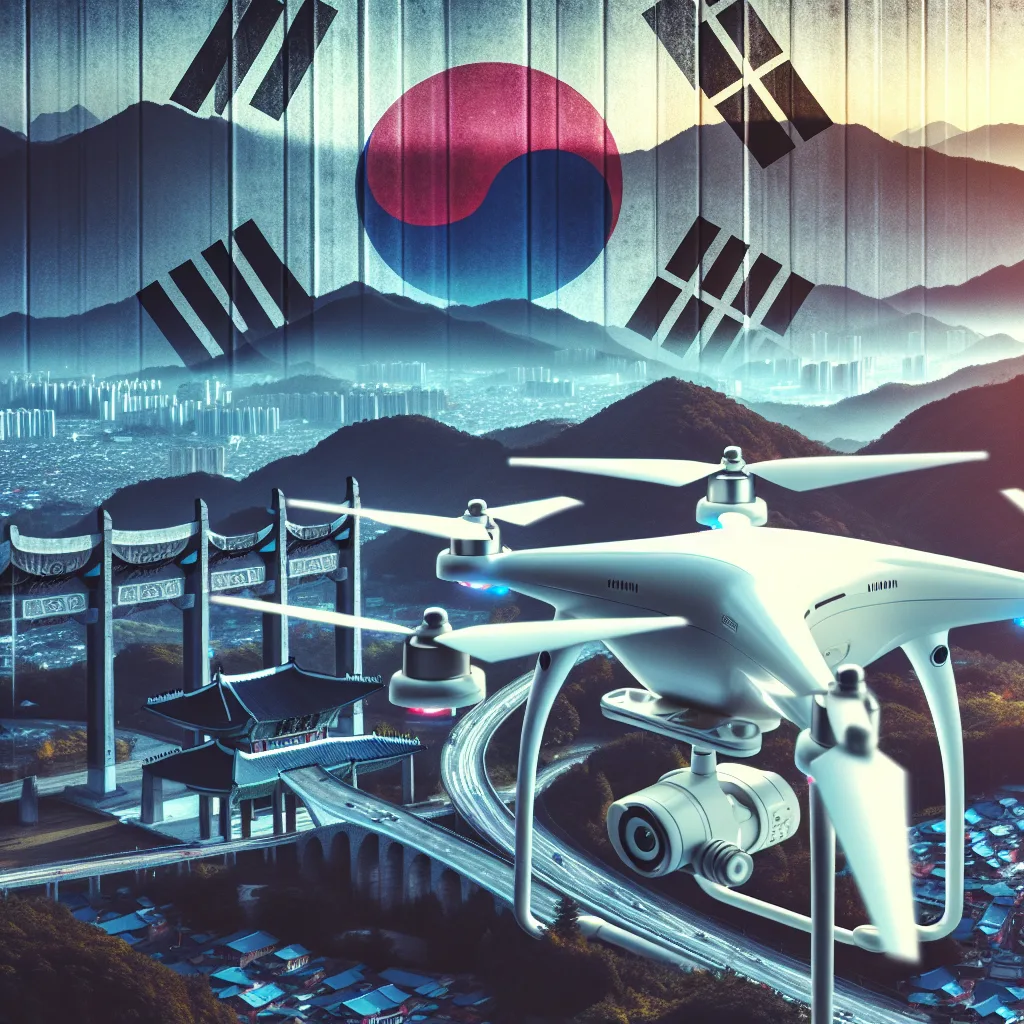
South Korea Unveils Indigenous Kamikaze Drone Technology
Overview
In a significant leap towards self-reliance in defense capabilities, South Korea has unveiled its indigenous kamikaze drone technology, a medium-range loitering munition platform. This initiative, spearheaded by the Defense Acquisition Program Administration (DAPA) and the Agency for Defense Development (ADD), is not merely a technological advancement; it is a strategic response to the escalating threats posed by North Korea’s expanding drone capabilities. The implications of this development extend beyond military readiness, touching on national security, economic independence, and regional stability.
Background & Context
The historical context of South Korea’s defense strategy is deeply intertwined with its geopolitical landscape. Since the Korean War, South Korea has relied heavily on the United States for military support, particularly in the face of persistent threats from North Korea. However, as North Korea has advanced its military technology, including drone warfare, South Korea has recognized the urgent need to bolster its own defense capabilities. The current geopolitical climate, characterized by heightened tensions and an arms race in the region, makes this development particularly timely.
Moreover, the global defense industry has seen a shift towards indigenous production, driven by the desire for self-sufficiency and the need to mitigate vulnerabilities associated with foreign dependency. South Korea’s move to develop its own kamikaze drones aligns with this trend, reflecting a broader strategy to enhance its military autonomy and operational effectiveness.

This site is the portfolio.
OSINTSights runs on Cloudflare Workers, D1, R2, and Vectorize, with an AI pipeline on Hetzner ARM. Nubivance designed, built, and operates it. We do the same for clients.
See what we buildCurrent Landscape
The current state of drone technology in military applications is rapidly evolving. Loitering munitions, often referred to as “kamikaze drones,” are designed to loiter over a target area and strike when a target is identified, offering a unique blend of surveillance and precision strike capabilities. South Korea’s new platform aims to integrate advanced technologies such as artificial intelligence (AI) for target recognition and autonomous flight capabilities.
According to DAPA, the development of this drone is expected to significantly enhance South Korea’s operational capabilities against North Korean threats, particularly in countering the North’s growing arsenal of drones. The project is also seen as a response to the increasing prevalence of drone warfare globally, with various nations investing heavily in similar technologies.
Key features of the new kamikaze drone include:
- Medium-range capabilities: Designed to operate effectively within the range of North Korean missile systems.
- Autonomous operation: Incorporating AI for enhanced target acquisition and engagement.
- Cost-effectiveness: Aiming to provide a more affordable alternative to traditional munitions.
Strategic Implications
The introduction of indigenous kamikaze drone technology carries profound strategic implications for South Korea and the broader region. Firstly, it enhances South Korea’s deterrence posture against North Korea, signaling a commitment to countering asymmetric threats with advanced technology. This development could potentially alter the balance of power in the region, as North Korea may feel compelled to accelerate its own military advancements in response.
Furthermore, the move towards indigenous production has economic implications. By reducing reliance on foreign imports, South Korea can stimulate its domestic defense industry, fostering innovation and creating jobs. This shift not only strengthens national security but also contributes to economic resilience in an increasingly uncertain global environment.
However, the introduction of such technology is not without risks. The proliferation of drone technology raises concerns about escalation and miscalculation in military engagements. As both North and South Korea enhance their drone capabilities, the potential for unintended confrontations increases, necessitating robust communication channels and confidence-building measures to mitigate risks.
Expert Analysis
From an analytical perspective, the development of South Korea’s kamikaze drone technology represents a pivotal moment in its defense strategy. The integration of AI and autonomous systems into military operations is a game-changer, allowing for rapid response and precision strikes that were previously unattainable. This shift towards automation in warfare raises critical questions about the future of military engagement and the ethical implications of autonomous weapons systems.
Moreover, the strategic foresight demonstrated by South Korea in pursuing this technology reflects an understanding of the evolving nature of warfare. As adversaries increasingly leverage drone technology, South Korea’s proactive approach positions it as a leader in regional defense innovation. However, it is essential to consider the broader implications of this arms race, particularly in terms of regional stability and the potential for conflict escalation.
Recommendations or Outlook
Looking ahead, several actionable steps can be taken to maximize the benefits of South Korea’s kamikaze drone technology while mitigating associated risks:
- Enhance regional cooperation: South Korea should engage in dialogue with neighboring countries, including Japan and the United States, to establish frameworks for cooperation in drone technology and military operations.
- Invest in ethical frameworks: As autonomous systems become more prevalent, it is crucial to develop ethical guidelines governing their use in military operations to prevent misuse and ensure accountability.
- Focus on public awareness: Educating the public about the benefits and risks of drone technology can foster informed discussions about national security and defense policy.
In terms of plausible future scenarios, South Korea’s successful implementation of this technology could lead to a new era of military engagement in the region, characterized by increased reliance on unmanned systems. Conversely, failure to manage the associated risks could result in heightened tensions and an arms race that destabilizes the region further.
Conclusion
In conclusion, South Korea’s unveiling of indigenous kamikaze drone technology marks a significant milestone in its defense strategy, reflecting a commitment to self-reliance and innovation in the face of evolving threats. As the geopolitical landscape continues to shift, the implications of this development extend far beyond military capabilities, touching on economic resilience and regional stability. The challenge now lies in navigating the complexities of this new era of warfare, ensuring that advancements in technology are matched by robust ethical frameworks and cooperative security measures. As we ponder the future of military engagement, one question remains: how will nations balance the pursuit of technological superiority with the imperative of maintaining peace and stability in an increasingly interconnected world?



