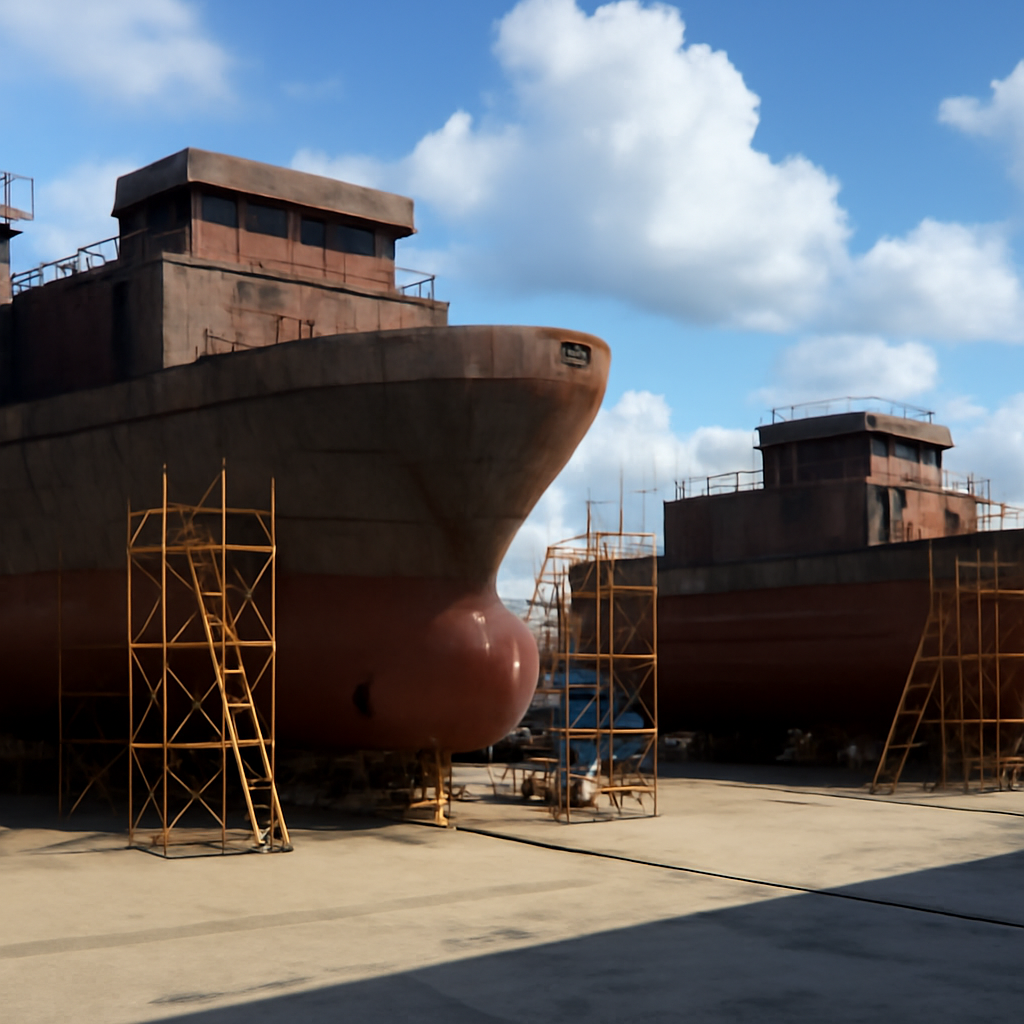
ship readiness hangs in the balance as surface Navy leaders prepare to gather next week at the Surface Navy Association’s 38th National Symposium to confront growing operational demands, constrained resources, and a changing undersea threat environment.
Ship Readiness: Why the Symposium Matters
The Surface Navy Association (SNA) symposium is no ceremonial gathering. It is where senior Navy, Pentagon, and industry officials convene to reconcile strategy, capability, and sustainment under the twin pressures of a contested Indo-Pacific and the so‑called Davidson Window — the near‑term period many defense planners identify as a potential spike in adversary activity. For the surface fleet, the stakes are straightforward: keep ships available, lethal, and survivable in an increasingly complex battlespace.
Background: A fleet under new pressures
Since the end of the large-scale combat operations era, the U.S. surface fleet has been optimized for varied missions from presence and partnership to maritime security and crisis response. Over the last decade, however, strategic competition with near-peer adversaries — particularly in the INDOPACOM Area of Responsibility — has driven renewed emphasis on high-end warfighting. That shift has exposed tensions in how the Navy manages readiness:
- Operational tempo vs. maintenance cycles: Extended deployments and surge demands stress ship availability.
- Modernization vs. sustainment: Integrating new sensors, weapons, and networked systems while maintaining aging hulls and mechanical systems creates scheduling and budgetary tradeoffs.
- Undersea competition: Advances in adversary submarine stealth and strike capability force changes in tactics, training, and ASW (anti-submarine warfare) investments.
Current situation: What leaders will address
Participants at the SNA symposium — senior leaders from the Navy, the Office of the Secretary of Defense, and private-sector shipbuilders and systems integrators — will focus on practical steps to improve ship readiness across maintenance, logistics, training, and force design. Key issues expected to dominate discussion include:
- Maintenance throughput and depot capacity: how to shorten and make more predictable ship availabilities.
- Predictive logistics and condition-based maintenance: using data and digital twins to shift from reactive to anticipatory sustainment models.
- Integration of undersea sensing and ASW capabilities into surface tasking: improving distributed ASW to blunt submarine threats.
- Workforce and industrial base resiliency: ensuring skilled shipyard labor, supply chains, and contractor support can meet surge demands.
Ship Readiness: Perspectives and policy implications
From technologists
Engineers and systems firms argue the readiness problem is increasingly solvable with data: condition-based maintenance, prognostics, and digital engineering can reduce downtime and unexpected failures. Industry leaders will press for greater access to fleet data and closer public‑private engineering partnerships to accelerate software and hardware upgrades without long shipyard availabilities.
From policymakers
Defense budget managers and Pentagon planners view readiness through the lens of risk management. They must balance investments in new platforms with the sustainment of an operational fleet. Policy choices include prioritizing depot capacity funding, revising deployment lengths to allow maintenance cycles, and adjusting surge plans to preserve long‑term fleet health.
From operators and users
Fleet commanders emphasize predictability. Sailors and commanders need reliable maintenance windows, trained crews, and interoperable systems. Readiness shortfalls manifest as fewer mission-ready hulls, increased training backlogs, and more conservative operational planning.
From potential adversaries
Competitors monitor these readiness debates closely. Adversary strategies exploit seams in sustainment and presence: anti‑access/area denial (A2/AD) approaches, quiet submarine operations, and probing actions during perceived periods of U.S. vulnerability. For adversaries, demonstrated gaps in availability or undersea sensing present operational opportunity.
Tradeoffs and solutions under debate
Several pragmatic options will be weighed at the symposium:
- Increase depot and intermediate maintenance capacity through budgetary adjustments and expanded public-private teaming.
- Adopt condition-based maintenance fleetwide, with standardized sensors and common data architectures.
- Change deployment models — shorter, more predictable rotations — to preserve long-term materiel readiness.
- Prioritize investments in distributed ASW sensors and resilient communications to blunt undersea threats without requiring full platform modernization.

The cyber insurance questionnaire just landed. Now what?
SOC 2, HIPAA, insurance renewals - someone has to own security strategy. Nubivance provides fractional CISO leadership without the full-time salary.
Get a security leadWhy it matters: strategic and operational consequences
At an operational level, readiness is literal combat power: the number of ships that can sail, fight, and sustain operations. At a strategic level, it is deterrence. A fleet with unreliable availability or weakened undersea sensing reduces deterrent credibility and complicates alliance posture in INDOPACOM. Conversely, demonstrably robust readiness underwrites presence, reassurance to partners, and the ability to respond to crises quickly.
Risks on the near horizon
- Resource misalignment: funding new capabilities while deferring essential sustainment creates hidden readiness shortfalls.
- Industrial bottlenecks: limited shipyard capacity or specialized workforce shortages could lengthen maintenance timelines during a crisis.
- Technological gaps: lagging integration of undersea sensors and ASW doctrine may leave surface forces vulnerable to quiet, lethal submarine threats.
Going into the SNA Symposium: what to watch
Observers should look for concrete commitments — budget lines, memoranda of understanding, pilot programs — that move ship readiness from discussion to measurable improvement. Indicators include announcements about depot expansions, data‑sharing initiatives between Navy and industry, ASW capability fielding schedules, and revised deployment or maintenance policy guidance.
In the end, the debate around ship readiness is not merely technical or bureaucratic; it is foundational to how the United States projects maritime power in an era of renewed competition. Will leaders use the SNA forum to close capability gaps and shore up sustainment, or will incrementalism leave the surface fleet vulnerable when the Davidson Window and other pressures intersect? The answer will shape not only fleet schedules and shipyards, but the credibility of maritime deterrence itself.
Source: https://governmenttechnologyinsider.com/surface-navy-leaders-to-address-ship-readiness-and-undersea-advantage-at-sna-symposium/