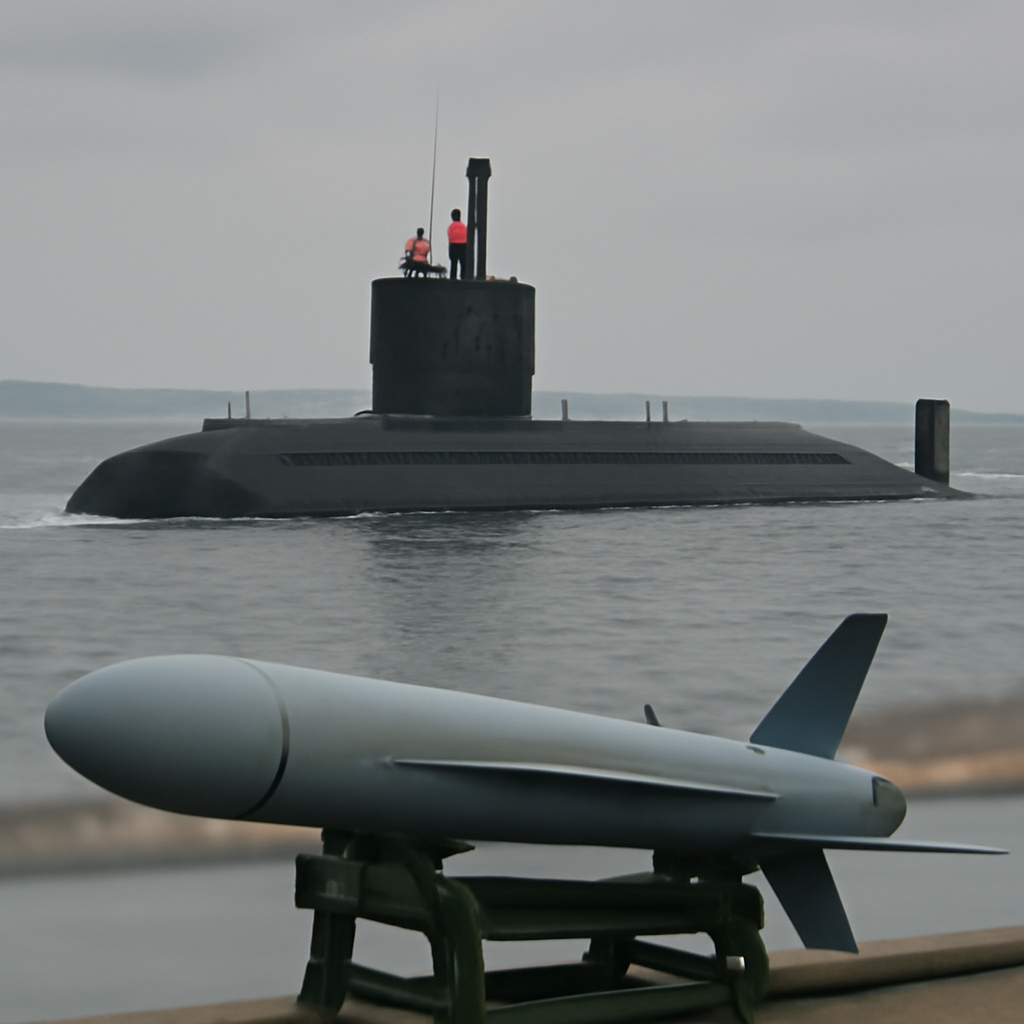
"Without the anomaly, the Department would be unable to begin advance procurement of the nuclear propulsion work necessary for ship construction," the White House told Congress — a plea Senate appropriators declined in the continuing resolution they unveiled Sunday.
Senate continuing resolution: funding through Dec. 11, procedural vote tonight
Senate appropriators on Sunday released a bipartisan continuing resolution (CR) that would keep federal funding flowing until Dec. 11 and prevent a government shutdown when fiscal 2027 begins on Oct. 1. The bill is set to move through a procedural vote tonight, and Senate leaders are expected to pass the CR this week before beginning their August recess. The House, already on recess, passed its own version of a CR on July 21 that would fund agencies only through Dec. 4; the two versions now must be reconciled or one chamber must adopt the other's bill for the measure to reach President Donald Trump’s desk and be signed into law.
Trump-class battleship funding request rejected
The White House and the Pentagon asked Congress to include a $1 billion "anomaly" in the CR for the Trump-class battleship program to begin advance procurement for nuclear propulsion work. Senate appropriators declined to add that anomaly, leaving the Pentagon without the special authorization the White House said was needed to begin procurement for ship construction.

Audit-ready is a season. It shouldn't be.
Evidence in spreadsheets, controls drifting between audits, frameworks multiplying on flat headcount. Nubivance runs continuous compliance on Rapid7 Cyber GRC - SOC 2, HIPAA, ISO 27001, PCI, CMMC.
End the scrambleRequests for munitions authorities denied; boilerplate restrictions preserved
The Senate bill also rejected a White House request for language that would have allowed the Pentagon to obligate funding for five munitions programs — identified by the White House as Patriot system PAC-3 interceptors, Tomahawk cruise missiles, AMRAAM air-to-air missiles, and two Standard Missile-3 variants — several of which the White House says were depleted during Operation Epic Fury. The White House warned that "Without the anomaly, the Government may incur cancellation liabilities on multi-year procurement contracts if it does not order the negotiated production quantities." Instead of granting that authority, Senate appropriators inserted the typical CR boilerplate explicitly forbidding the Pentagon from using CR-provided funds to start new programs or to initiate multiyear production contracts.
Sequestration exemption for reconciliation funds left out
Senate appropriators also appear not to have included requested language that would have exempted funding provided to the Pentagon in last year’s reconciliation bill from sequestration, or automatic spending cuts. According to the White House summary provided to Congress, without that exemption roughly 8 percent of the unobligated reconciliation funds would be made unavailable.
How the Pentagon, Senate appropriators, and the White House are positioned
- The Pentagon: As presented to Congress, the department sought targeted anomalies to accelerate procurement and to avoid contract cancellation liabilities — requests the Senate did not accept. Without the $1 billion battleship anomaly, the Pentagon would, per the White House, be unable to begin advance nuclear propulsion procurement for the Trump-class program; without munitions authority, it cannot obligate funds for the five listed programs under the CR.
- Senate appropriators: They produced a bipartisan CR that extends funding slightly longer than the House bill and included some White House anomalies (notably for housing and food programs) but withheld most defense-related anomalies. They are moving the measure toward a procedural vote and anticipate passage before their August recess.
- The White House: The administration requested multiple anomalies to the standard CR rules — including the $1 billion for battleship advance procurement, authority to obligate munitions funding, and a sequestration exemption — and flagged the programmatic and contractual consequences if those anomalies are not approved. With the House and Senate holding different CRs, the White House will be a party to the coming negotiations over which provisions survive into the final agreement that could reach the president's desk.
The immediate next steps are procedural: a Senate procedural vote tonight and a Senate floor vote anticipated this week, followed by negotiations to reconcile two different CRs. The record is explicit about what the Senate chose to block — and equally clear that the final compromise will determine whether the $1 billion battleship anomaly, munitions authorities, and the sequestration exemption are restored before fiscal 2027 spending begins.