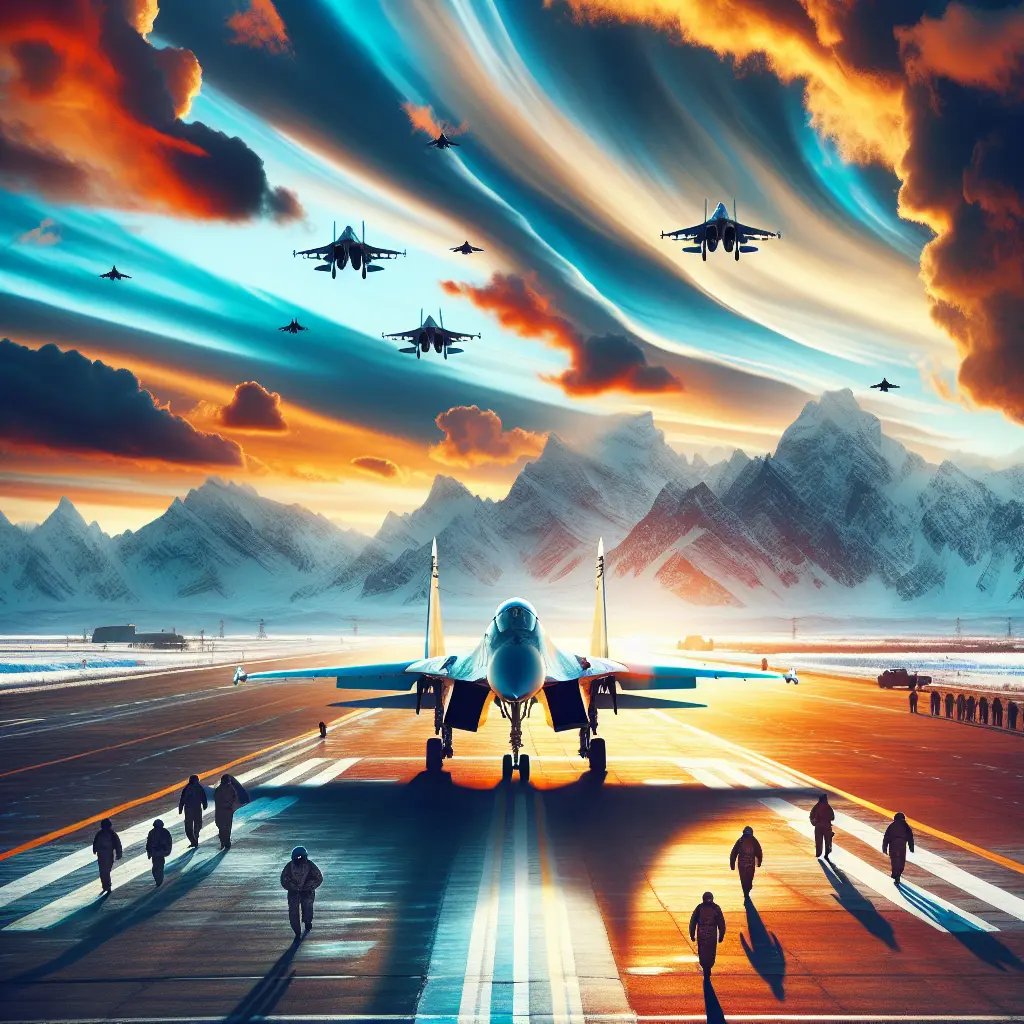
Russia Bolsters Air Power with Latest Batch of Su-35S Fighter Jets
In a significant move that underscores its military modernization efforts, Russia has received a new batch of Su-35S multirole fighter jets from the United Aircraft Corporation (UAC). This latest delivery is part of the ongoing State Defense Order and highlights the Kremlin’s commitment to enhancing its aerial capabilities amid ongoing geopolitical tensions.
The Su-35S, often described as a 4++ generation aircraft, boasts advanced avionics and enhanced combat capabilities that allow it to engage both ground and aerial targets effectively. This delivery comes at a time when Russia faces increasing pressure from Western nations regarding its military activities, particularly in light of ongoing conflicts in Ukraine and beyond.
The UAC confirmed that the new fighters have completed rigorous factory testing under various operational modes, ensuring they are primed for deployment. “The aircraft passed all stages of testing successfully and have been delivered to their designated operational units,” the company stated. The significance of this delivery is not only in the aircraft’s technological capabilities but also in its strategic implications for regional stability.
The context surrounding this delivery is crucial for understanding its potential impact. The Su-35S program, which began development in the early 2000s, aims to create an air superiority fighter that can operate in contested environments against sophisticated adversaries. With features such as thrust vectoring engines and advanced radar systems, the Su-35S represents a leap forward from previous generations of Russian fighters.
This latest shipment signals a continued investment by Russia in its air force at a time when international relations are strained. The U.S. and NATO have expressed concerns over Moscow’s military buildup near Ukraine’s borders, leading to heightened tensions in Eastern Europe. The introduction of these advanced jets could be interpreted as both a deterrent and an assertion of power by Russia on the global stage.
From a broader perspective, this acquisition matters significantly for several reasons:
- Military Readiness: Enhancements to air combat capabilities directly influence operational readiness and strategic deterrence against perceived threats.
- Geopolitical Dynamics: Increased military capability may alter the balance of power in Europe, prompting neighboring countries to reassess their own defense strategies.
- Industrial Implications: The success of UAC in delivering these fighters reflects positively on Russia’s defense industry amidst economic sanctions and isolation from Western technologies.
An analyst who specializes in Russian defense policy noted that “the delivery illustrates not only Russia’s desire to modernize its military but also serves as a direct message to NATO allies regarding its sustained military ambitions.” This insight underscores the profound interplay between military capability and international relations.
Looking ahead, there are several factors worth monitoring as these jets enter active service. Observers should pay attention to how quickly these aircraft will be integrated into existing squadrons and whether they will participate in upcoming military exercises or operations. Additionally, any future contracts for additional aircraft or support systems could indicate Russia’s long-term plans for air power expansion.
This development raises critical questions about security dynamics moving forward: Will Western nations respond with increased military presence in Eastern Europe? How might neighboring states react to this escalated show of force? As global tensions continue to rise, the implications of such advancements resonate well beyond Russian borders.
The delivery of these Su-35S fighter jets serves as a stark reminder that military modernization is an ongoing process fueled by national priorities and perceived threats. As we evaluate the ramifications of this event, one thing remains clear—military strength is often interwoven with broader narratives about national identity and power on the world stage.



