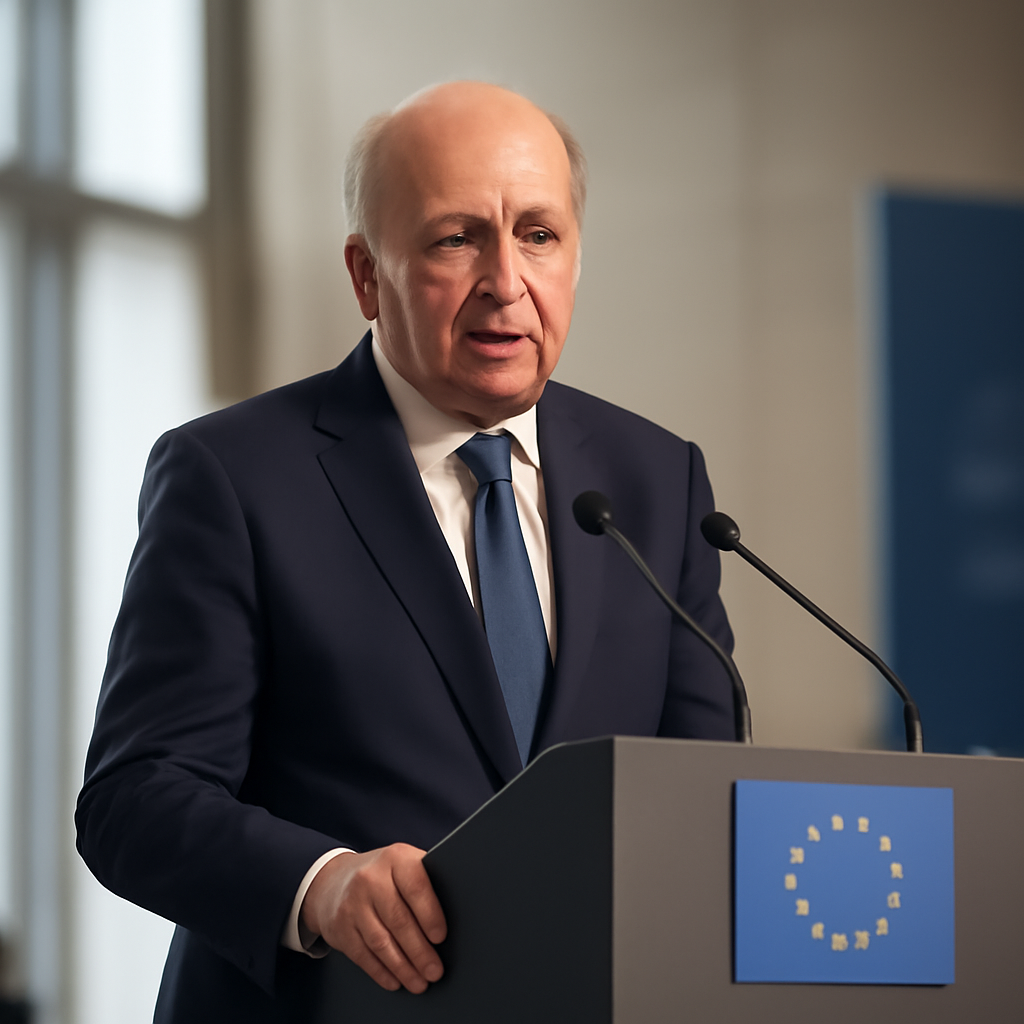
"These are the largest defense industry investments in the history of the Republic," said Roketsan CEO Murat Ikinci — a short sentence that frames a longer, uncomfortable question: when a single company expands production and puts missiles into service for the armed forces, what changes for industry, policymakers and regional security?
The announcement in plain terms
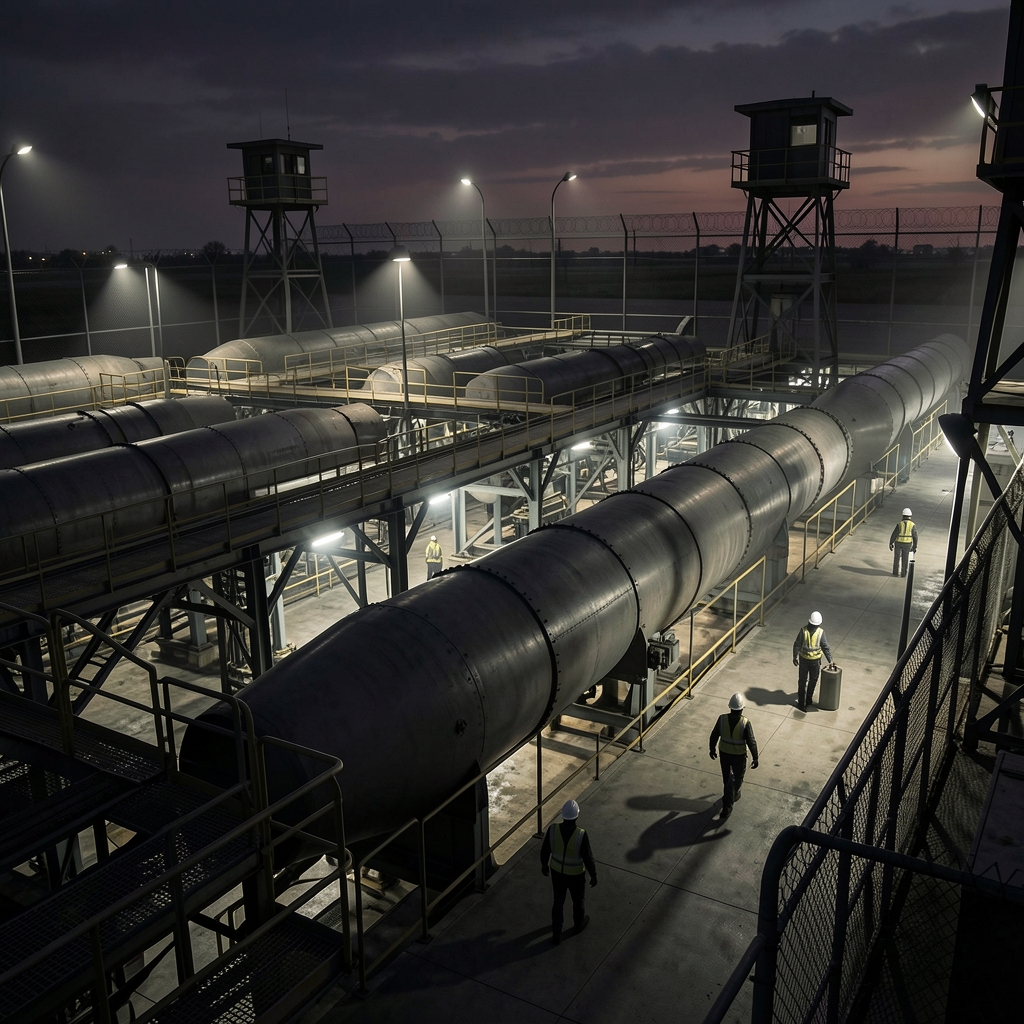
Roketsan, identified in the reporting as Turkey’s domestic missile and rocket manufacturer, has opened new production facilities and delivered missiles to the armed forces. Roketsan CEO Murat Ikinci described the new facilities as “the largest defense industry investments in the history of the Republic.” Beyond that statement and the core facts that facilities were opened and missiles were delivered, the source material provides no further operational details.
What we know — and what we do not
The facts in the source are limited but clear: Roketsan has expanded its physical production footprint and has transferred missiles to military custody. The CEO publicly framed the expansion as a historic investment for the Republic. The reporting does not enumerate the kinds of missiles delivered, the number of systems, the locations of the new facilities, or any timelines for production and deployment. It also does not specify which armed forces received the missiles beyond the reference to “the armed forces.”

Audit-ready is a season. It shouldn't be.
Evidence in spreadsheets, controls drifting between audits, frameworks multiplying on flat headcount. Nubivance runs continuous compliance on Rapid7 Cyber GRC - SOC 2, HIPAA, ISO 27001, PCI, CMMC.
End the scrambleWhy this matters
When a single defense contractor enlarges its industrial base and supplies missiles to a nation’s military, several non-controversial implications follow even if specific data are absent from the reporting.
- Industrial scale: Large investments in production facilities typically aim to raise output capacity, shorten production timelines, or enable new capabilities in design and manufacture. The CEO’s characterization of the investment as historic underscores its intended scale relative to past projects.
- Policy leverage: Expanded domestic production of weapons systems can shift how policymakers weigh procurement, sustainment and strategic options. Decisions that were previously tied to foreign suppliers may be recalibrated if domestic capacity grows.
- Operational readiness: Deliveries of missiles to armed forces are an operational milestone. Regardless of type or number, transfer of munitions from industry to the military is a step toward operational availability and integration into force structures or inventories.
- Perception and signaling: Publicizing both the facilities and deliveries serves a signaling function to domestic audiences, partners, and potential adversaries. The CEO’s public remark about historic investment strengthens that signal.
Different perspectives on the development
Technologists will read the news as a prompt to ask about production technology, quality control, and supply chains. Large facilities can host automation, advanced testing rigs, and parallel production lines, but they can also introduce complexity in certification and sustainment.
Policymakers must consider trade-offs. An expanded domestic industrial base can provide strategic autonomy, but it also requires sustaining budgets, regulatory oversight and integration planning. A declaration that an investment is “the largest” invites scrutiny over cost, return on investment, and long-term industrial policy.
Military planners will be attentive to availability and integration: deliveries mark a logistic and operational step but do not by themselves indicate readiness for deployment, integration with existing platforms, or doctrinal shifts.
Adversaries and regional observers will interpret the expansion through their own security lenses. Publicized increases in missile production and transfers to the armed forces are likely to be factored into threat assessments, diplomacy and contingency planning.
Questions that remain and the implications of silence
The limited factual record raises its own set of questions. What capabilities do the new facilities enable? How many missiles were transferred, and what are their intended roles? What oversight mechanisms govern production and transfer? The source does not answer these questions, and that absence is meaningful: when major defense investments are announced without accompanying technical or programmatic details, observers must rely on cautious inference rather than firm conclusions.
Roketsan’s CEO framed the move as historic. That framing will resonate differently across audiences — as industrial triumph, strategic insurance, or a source of regional concern — depending on one’s vantage. The near-term reality, as the source makes plain, is simple: new facilities exist, missiles have been handed over, and a senior company executive has cast the investment as unprecedented in scale. How those facts translate into policy, capability and regional stability is the question that remains to be answered.