"It's the first major show since multiple theaters of operation have been using the Coyote system," Joseph DeAntona, a Raytheon executive, told reporters Monday.
Farnborough preview: what companies are bringing to London
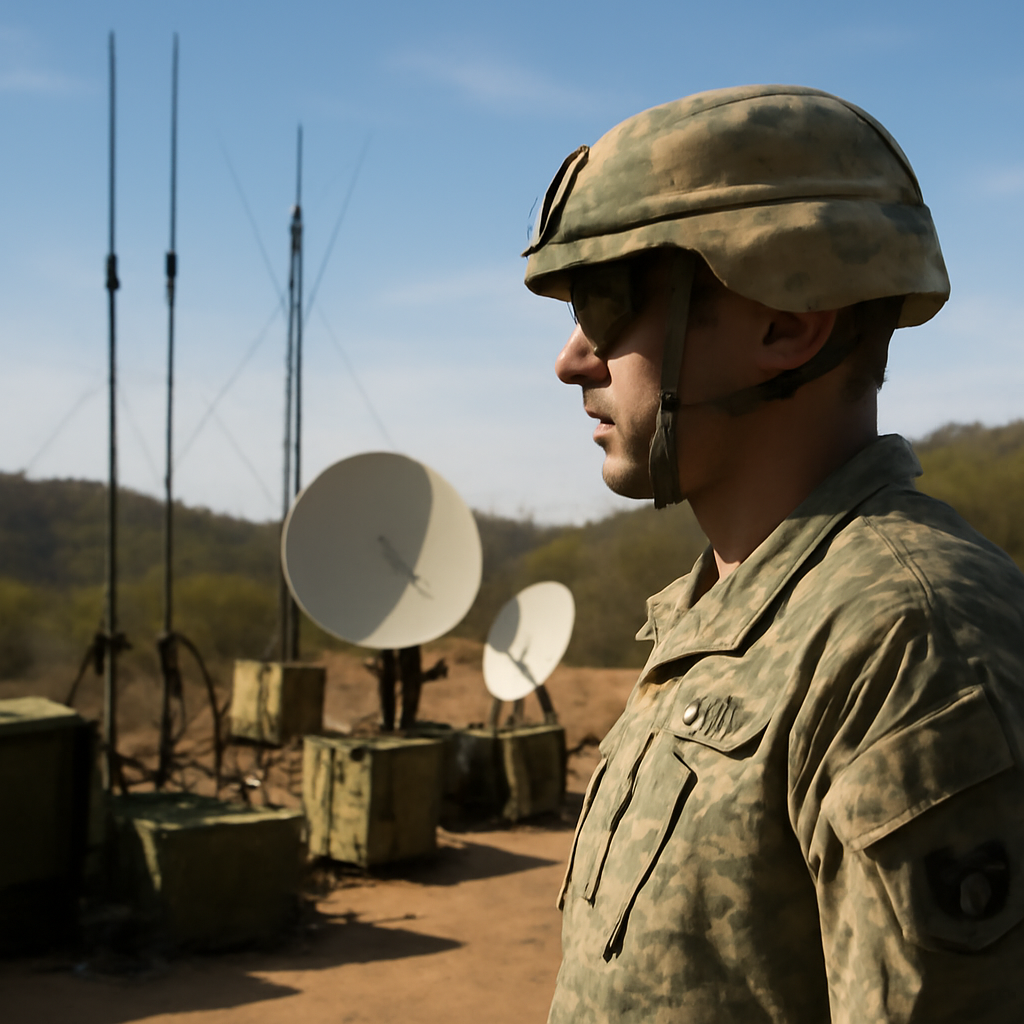
Dozens of countries, major weapons makers, defense tech companies, suppliers, and state representatives are converging on the Farnborough International Airshow next week. The show will spotlight both headline platforms and the quieter businesses that sustain them. BAE Systems is teasing a futuristic fighter pilot helmet; Northrop Grumman plans to highlight F-16 modernization work, including electronic-warfare upgrades; and Raytheon is showcasing its Coyote counter-UAS system with active battlefield usage now part of the sales pitch, per Joseph DeAntona.
Maintenance, repair, and overhaul — private capital eyes sustainment
Not everything at Farnborough is designed to dazzle in the sky. Doug Peck, managing director at consulting firm BCG, told Defense One that there is "a ton of interest in the [maintenance, repair, and overhaul] business," and that private equity and other financial sponsors are moving into the space. Peck described growing backlogs for sustainment facilities and MRO capacity, and said that those capacity constraints should support stronger margins over time.

Audit-ready is a season. It shouldn't be.
Evidence in spreadsheets, controls drifting between audits, frameworks multiplying on flat headcount. Nubivance runs continuous compliance on Rapid7 Cyber GRC - SOC 2, HIPAA, ISO 27001, PCI, CMMC.
End the scrambleTrade groups vs. Section 815: a fight over buybacks and dividends
The U.S. Chamber of Commerce joined dozens of trade organizations on July 14 in asking Congress to remove a provision in the 2027 National Defense Authorization Act that would bar defense contractors from paying dividends or repurchasing publicly traded stock without a waiver from the Pentagon. The letter was addressed to Senate Majority Leader John Thune, Senate Minority Leader Chuck Schumer, and Senators Roger Wicker and Jack Reed, who lead the Senate Armed Services Committee.
The trade groups warned the restriction "applies broadly to contractors providing any goods or services … regardless of the dollar value of the contract" and argued the ban would bar large swaths of companies from contracting with the Pentagon while also affecting Americans' retirement accounts. The letter stated: "If adopted, Section 815 would harm millions of American retirees and other investors by restricting lawful returns of capital to shareholders, establish a troubling precedent for federal interference in corporate governance and capital allocation decisions, and discourage the private sector from participating in the defense industrial base at a time when Congress should be encouraging greater private-sector participation."
Senate standoff and related budget moves
The buybacks fight arrived amid broader turbulence in the Senate over the annual defense policy bill. Senate Democrats blocked advancement of the typically bipartisan bill, setting up a showdown tied to funding for the war with Iran. Sen. Jack Reed, the ranking member on the Senate Armed Services Committee, said he could not "vote to proceed to a bill that enables an ongoing war against Iran that Congress never authorized and the American people overwhelmingly oppose." He added: "We also cannot ignore a nearly 45 percent increase in defense spending at a moment when the Pentagon has refused to provide an account for the true cost of this war or submit basic information to Congress."
After the failed Senate vote, House Republicans unveiled a $90 million reconciliation bill described in the source as funding the Iran war; House Democrats voted to end aid to Israel for the Iran war.
Pennsylvania Defense and Innovation Summit: $10 billion headline and industrial moves
Wednesday’s Pennsylvania Defense and Innovation Summit at the Army War College, hosted by Sen. Dave McCormick, featured a suite of industry announcements and a keynote from President Donald Trump. The event included a spate of defense tech company announcements and touted "$10 billion in defense investments."
JPMorgan Chase pledged $24 million to help finance a new submarine manufacturing facility at the Philadelphia Navy Yard, described as part of a "more than-trillion-dollar commitment to national and economic security efforts made last year." Gecko Robotics said it will open a 10,000 square-foot advanced manufacturing plant in Pittsburgh as a "manufacturing and integration hub" for AI-powered non-destructive testing technologies. President Trump framed the moment this way: "Since I took office, defense investments in Pennsylvania are up by nearly 25 percent," and added, "And today, we're adding [$]10 billion, and I think the number is going to end up being about $19 or $20 billion dollars. And we'll be building two massive national security, multi-mission vessels at the beautiful and historic Philadelphia shipyard."
How defense investors, policymakers, and manufacturers are reacting
- Defense investors and private equity: Increased interest in MRO and sustainment facilities is drawing capital, with BCG's Doug Peck noting both backlog-driven demand and improved margin prospects for MRO assets.
- Policymakers and congressional committees: The Section 815 controversy and the stalled NDAA vote show a fracture over oversight and war funding — Senators publicly tied procedural choices to objections about the Iran war and rapid spending increases, per Sen. Jack Reed's statements.
- Manufacturers and regional economies: Corporate pledges and facility announcements in Pennsylvania — including JPMorgan Chase's $24 million pledge and Gecko Robotics' new plant — point to concentrated industrial and infrastructure investments tied to naval shipbuilding and advanced manufacturing.
Farnborough will offer the private sector a public stage for those pitches — from a helmet to counter-UAS proven in combat, to MRO and sustainment deals that investors say will be lucrative. Meanwhile, in Washington the rules governing how defense contractors return cash to shareholders are under immediate scrutiny, and lawmakers remain at odds over the funding levers tied to ongoing conflict. The coming weeks will show whether congressional negotiations alter Section 815, how many firms pursue the MRO plays Doug Peck describes, and whether the Pennsylvania commitments coalesce into the shipbuilding work the president described.