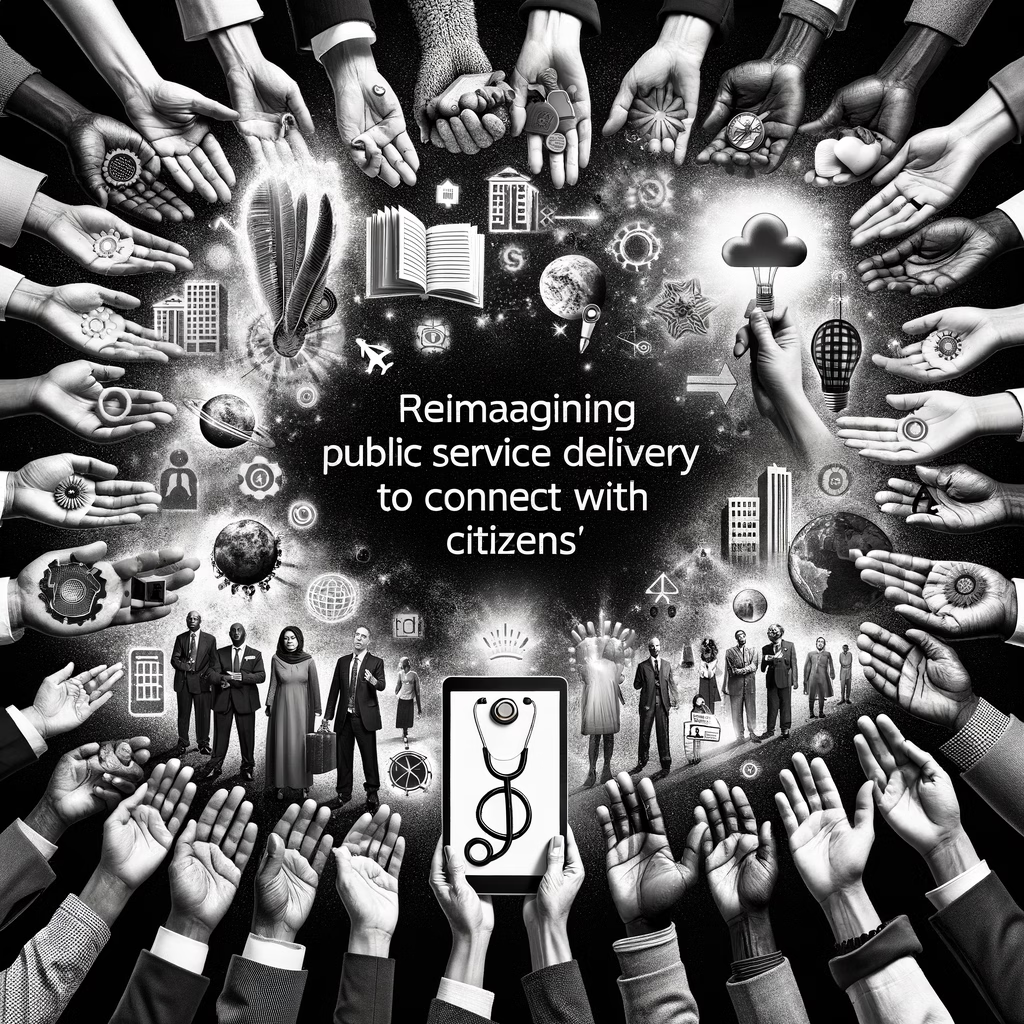
Imagine waiting in a long line at a government office, flipping through outdated forms and trying to decipher complex jargon, only to leave with more questions than answers. For many citizens, this frustrating experience is all too familiar. But what if public service delivery could be as seamless and user-friendly as shopping online? This question is driving a transformative wave across federal agencies, as they seek to reimagine how they engage with citizens in a rapidly evolving landscape.
At the heart of this initiative is a response to the pressures exerted by private sector companies that have set a high bar for customer service. With digital giants like Amazon and Google providing instant, intuitive interactions, citizens are beginning to expect the same from their government. As one observer noted, “In today’s world, it’s not just about providing a service; it’s about creating an experience.” This sentiment has become a rallying cry for various federal entities striving to modernize and elevate their service delivery frameworks.
Several key trends are shaping this transformation. The rise of omnichannel experiences is perhaps the most significant. Today, citizens communicate, transact, and seek information across multiple platforms—be it through smartphones, websites, or social media. Federal agencies are recognizing that to remain relevant and effective, they must provide a cohesive experience that allows users to engage on their terms. This is more than just about technology; it’s about rethinking the relationship between government and the governed.
According to the Government Accountability Office (GAO), enhancing citizen engagement can lead to improved satisfaction and trust in government. “When citizens feel heard and their needs are met, they are more likely to participate in civic life,” said a GAO spokesperson. This is a crucial insight. Effective public service delivery can foster a sense of community and shared purpose, moving beyond mere transactions to build stronger bonds between citizens and their government.
However, this transformation is not without its challenges. Technologists argue that integrating new systems and training staff to use them effectively is a monumental task. Policymakers often face bureaucratic inertia and resistance to change, while users may remain skeptical about the efficacy of new approaches. “Change is hard, but it’s harder to ignore the needs of the people we serve,” remarked a senior government official involved in service delivery reform.
Moreover, the stakes are particularly high in an era marked by heightened scrutiny and demands for accountability. Citizens expect transparency, and rightly so. When agencies fall short, the ramifications can be severe—ranging from public distrust to calls for reform or even shutdowns. Thus, the current landscape demands not only innovation but also a commitment to ethical considerations and equity in service delivery. The challenge lies in ensuring that advancements do not leave marginalized groups behind, reinforcing existing disparities rather than alleviating them.
As federal agencies embark on this journey of reimagining public service delivery, a critical question emerges: What does success look like? It’s not merely about adopting the latest technology; it’s about cultivating a culture that prioritizes citizen engagement and responsiveness. “We need to move from a model of government as a provider to government as a partner,” emphasized a leading figure in public administration.
In conclusion, as federal agencies explore new avenues for engaging with citizens, they face both exciting opportunities and formidable challenges. The vision of a more connected, responsive government is tantalizing, but it requires a fundamental shift in mindset. Can we truly transform public service delivery to meet the evolving needs of citizens, or will we remain mired in outdated practices? The answer lies in our collective ability to embrace change and foster meaningful connections that enhance the democratic fabric of our society.
For more insights on this topic, visit the original article: Government Technology Insider.