Ukraine’s Midnight Strike: Disrupting Russian Missile Ambitions
In the early hours of June 6, Ukraine’s military executed a preemptive strike on key Russian airbases and strategic military infrastructure. The operation, officially confirmed by the General Staff of the Armed Forces of Ukraine, came as Russian forces were reportedly preparing for a large-scale missile attack. This decisive action underscores the unpredictable dynamics of the ongoing conflict, where military maneuvers are not only tactical but carry deep strategic implications.
The Ukrainian military’s statement detailed that their forces launched an operation against Russian assets that were allegedly amassing capabilities to launch a mass missile assault. According to official accounts, the preemptive nature of the strike was intended to disrupt a carefully coordinated offensive plan, which would have had far-reaching implications for regional security. With hostilities ongoing since Russia’s invasion in February 2022, this maneuver is yet another chapter in a conflict that has seen both nations engage in high-stakes military gambits.
Historically, preemptive strikes have been a contentious yet recurring element of armed conflict. Military strategists have long debated their efficacy: on one hand, they may prevent a larger, more devastating blow; on the other, they risk precipitating unforeseen escalation. In this instance, Ukraine’s decision to act preemptively could be viewed as a calculated effort to blunt potential missile attacks that might have otherwise increased civilian casualties and destabilized the already volatile security balance in the region.
The current episode arises amid a broader context of shifting military strategies. Ukrainian forces have repeatedly emphasized the need to counter Russian maneuvers before they fully materialize, citing intelligence and surveillance that suggest an imminent buildup of offensive assets. At the same time, Russian military officials, though remaining notably silent on the specifics of this incident, have historically characterized such Ukrainian actions as provocative and as justifications for their own escalatory measures. This tit-for-tat dynamic accentuates the razor-thin line between defensive operations and actions that could inadvertently escalate the conflict further.
Security analysts have offered a range of interpretations regarding the strike. Michael Kofman, a recognized defense analyst with the Center for Naval Analyses, observed in recent discussions with defense correspondents that Ukraine’s operation fits a broader pattern of preemptive measures aimed at destabilizing an adversary’s planned operations. “When a state acts on credible intelligence to hinder incoming threats, it walks a fine line between staunch defense and provoking further retaliation,” he noted in his analysis, a sentiment that encapsulates the inherent risks of such military actions. Meanwhile, experts from the Institute for the Study of War have pointed out that while these maneuvers may yield short-term tactical gains, they also underscore the persistent volatility of the current conflict modeled by rapid shifts in battlefield superiority.
Beyond the immediate military calculations, the strike carries significant implications for international policy and regional stability. European security policymakers have long watched the evolution of Ukraine’s defenses with an eye toward deterrence and the broader deterrence strategies practiced by NATO allies. The preemptive nature of the attack, in this case, serves as a potent reminder of how local operational decisions can ripple outwards to influence international diplomacy and arms control debates. In strategic circles, these actions reinforce the argument for bolstering defensive capabilities and enhancing intelligence-sharing frameworks among allied nations.
The human element in this unfolding drama must not be overlooked. Behind every military operation lie the lives of soldiers and civilians alike whose fates are shaped by decisions made in command centers far removed from the frontline. While Ukrainian leadership has publicly framed the strike as a necessary measure to save lives and preserve national sovereignty, the ensuing physical and psychological impacts on combatants and local populations remain a poignant aspect of the conflict’s ongoing narrative. Civilians residing in the vicinity of these targeted areas endure a dual burden of fear and disruption—a reminder that beyond the rhetoric of missile ranges and military infrastructure are real human lives affected by the decisions of war.
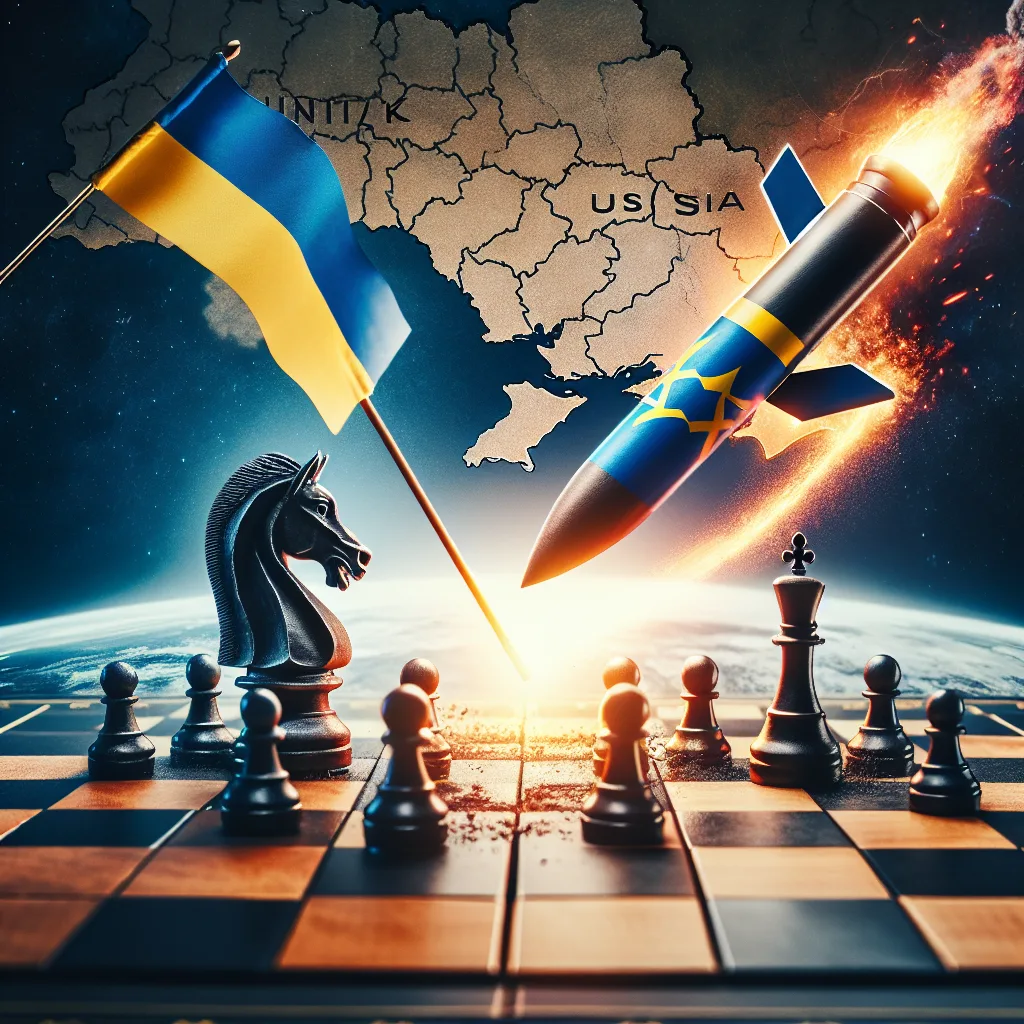
Looking forward, the international community will be closely monitoring any retaliatory actions or subsequent strategic shifts following this preemptive strike. Analysts suggest that while the immediate objective may have been to neutralize a specific missile threat, the long-term outcomes will depend on the adversaries’ subsequent moves. Will the Russian military recalibrate its approach to missile deployment, or might it escalate its actions in light of what it perceives as an aggressive interdiction by Ukrainian forces? The balance between deterrence and engagement remains delicate, and each move on the chessboard of conflict could have far-reaching implications for regional security architectures.
Ultimately, Ukraine’s preemptive strike is a vivid illustration of why modern warfare increasingly relies on intelligence, precision timing, and the willingness to make decisive moves in the face of imminent threats. As global powers debate the merits and risks of preemptive actions, this incident reinforces the enduring lesson that strategy in wartime is as much about readiness and foresight as it is about the capacity to act swiftly when the stakes are highest. One is left to ponder: in a landscape defined by rapid technological and tactical shifts, can preemptive measures maintain the delicate equilibrium between proactive defense and inadvertent escalation?