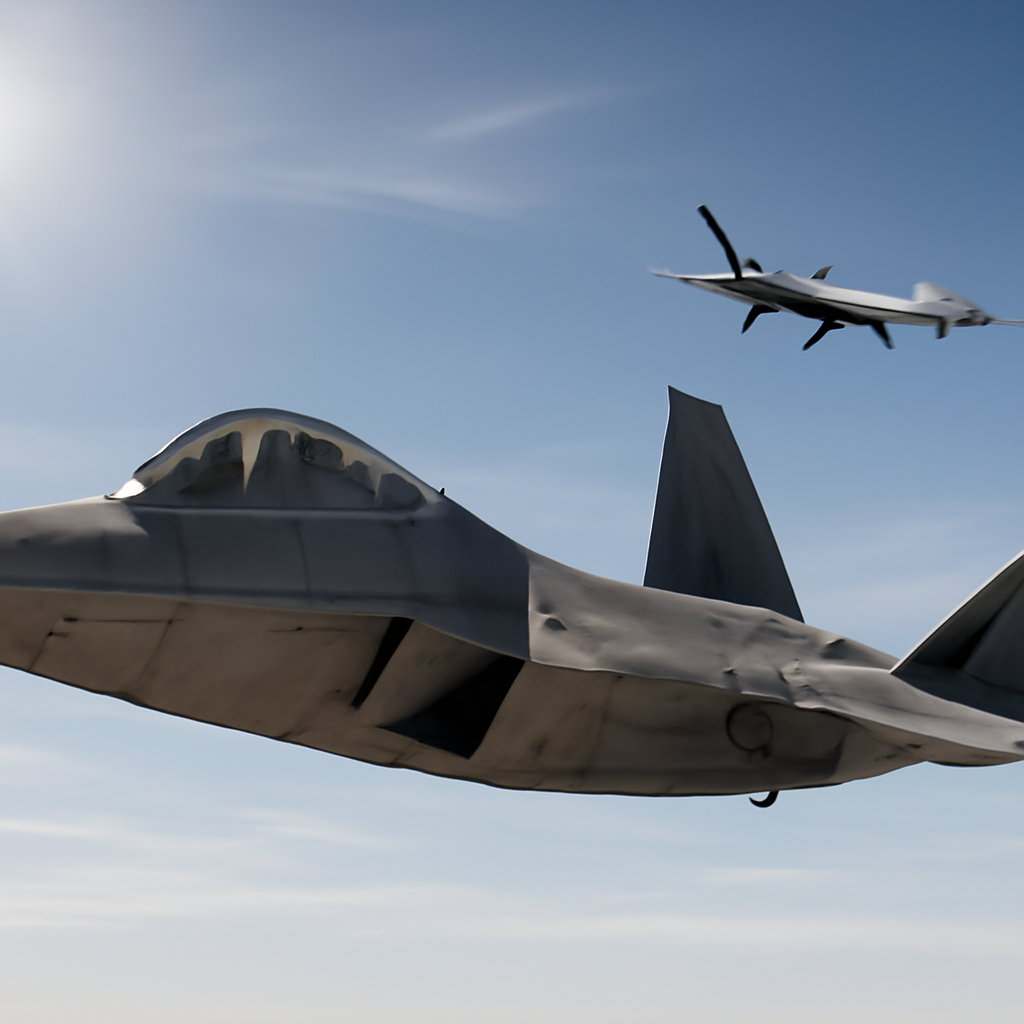
Operation Midnight Hammer: The Pentagon’s Bold Strike on Iran’s Nuclear Ambitions
In a move that has sent ripples through international diplomatic channels and military circles alike, the United States has disclosed significant details about a covert military operation targeting Iran’s nuclear infrastructure. Known as “Operation Midnight Hammer,” this operation utilized B-2 stealth bombers for the first combat deployment of the formidable GBU-57 bunker buster bombs, capable of penetrating deep underground facilities. General Dan Caine, Chairman of the Joint Chiefs of Staff, characterized the mission as a decisive action aimed at stalling Iran’s nuclear ambitions, which have long been a point of contention in global security discussions.
The implications of this operation are profound and multifaceted, engaging not just military strategy but also international diplomacy. The question arises: what does this strike mean for U.S.-Iran relations and the broader landscape of Middle Eastern geopolitics?
The history of U.S.-Iran relations is fraught with tension. Following the 1979 Iranian Revolution, which ousted the U.S.-backed Shah, relations deteriorated significantly. Decades of sanctions, hostile rhetoric, and proxy conflicts have characterized interactions between Washington and Tehran. The 2015 Joint Comprehensive Plan of Action (JCPOA), aimed at curbing Iran’s nuclear program in exchange for sanctions relief, offered a glimmer of hope; however, its unraveling following the U.S. withdrawal in 2018 plunged relations back into acrimony. Since then, Iran has progressively advanced its nuclear capabilities while defying international oversight—a situation that has intensified fears among regional adversaries and allies alike.
As tensions reached a boiling point, Operation Midnight Hammer was executed with precision. Official statements detail how B-2 stealth bombers conducted a series of targeted strikes against crucial components of Iran’s nuclear program, particularly focusing on sites believed to house advanced centrifuge technology. While military action is always fraught with risks—both ethical and tactical—this operation reflects an escalating urgency within U.S. national security circles to curtail what many perceive as an existential threat posed by a nuclear-capable Iran.
The timing of this operation is not incidental; rather it appears to be a calculated response to Iran’s increasing provocations in the region and its recent advancements in uranium enrichment activities. Furthermore, the use of advanced munitions like the GBU-57 showcases an evolving military strategy that emphasizes precision strikes over ground troop deployments—suggesting an intent to minimize collateral damage while achieving strategic objectives.
But why does this strike matter beyond its immediate military impact? The ramifications extend into several critical domains:
- Security Implications: By directly targeting Iran’s nuclear capabilities, the U.S. aims to disrupt its progress toward obtaining weapons-grade material, thus reinforcing global nonproliferation norms.
- Diplomatic Fallout: Such actions are likely to provoke a strong response from Tehran, complicating any future diplomatic engagements and possibly igniting further conflicts in an already volatile region.
- Public Trust: Military operations like Operation Midnight Hammer can influence public perception regarding government transparency and accountability. Informed citizens may question whether such actions are justified or if they erode democratic checks on military power.
- International Relations: The strike may polarize allies and adversaries alike within international forums such as the United Nations Security Council. Countries like Russia and China could leverage this event to criticize U.S. unilateralism in global affairs.
Expert analysis underscores that while military prowess can achieve short-term objectives, sustainable peace requires addressing the underlying causes of conflict—namely regional security dilemmas stemming from historical grievances. Military historian Dr. Robert Marston notes that “the path to de-escalation involves not only deterrent measures but also serious diplomatic engagement.”
The dynamics following Operation Midnight Hammer will be closely observed by policymakers and analysts alike. Potential outcomes include increased Iranian hostilities in response or escalated efforts by European powers to revive negotiations over its nuclear program amid heightened tensions. Moreover, how President Joe Biden’s administration navigates both domestic and international reactions will likely dictate future military engagements.
This episode raises pertinent questions about the balance between national security imperatives and strategic diplomacy: Can military strikes effectively prevent proliferation without undermining broader peace efforts? Is there room for constructive dialogue after such aggressive maneuvers? As history has often shown us—the answers lie not only in weaponry but also in wisdom.
The stakes couldn’t be higher as we navigate these uncertain waters; one misstep could plunge nations into renewed conflict while sidelining diplomacy altogether. Ultimately, Operation Midnight Hammer illustrates that while bombs may shatter concrete bunkers, it is dialogue that holds the key to lasting peace—and remains ever vital amidst rising clouds of war.