"We're going to run a directed energy shoot-off in December," Army Brig. Gen. Matt Ross, director of the Joint Interagency Task Force 401, said Friday during a roundtable with reporters at a summit hosted by JIATF-401 in Alexandria, Va.
JIATF-401’s pilot program and the December live-fire event
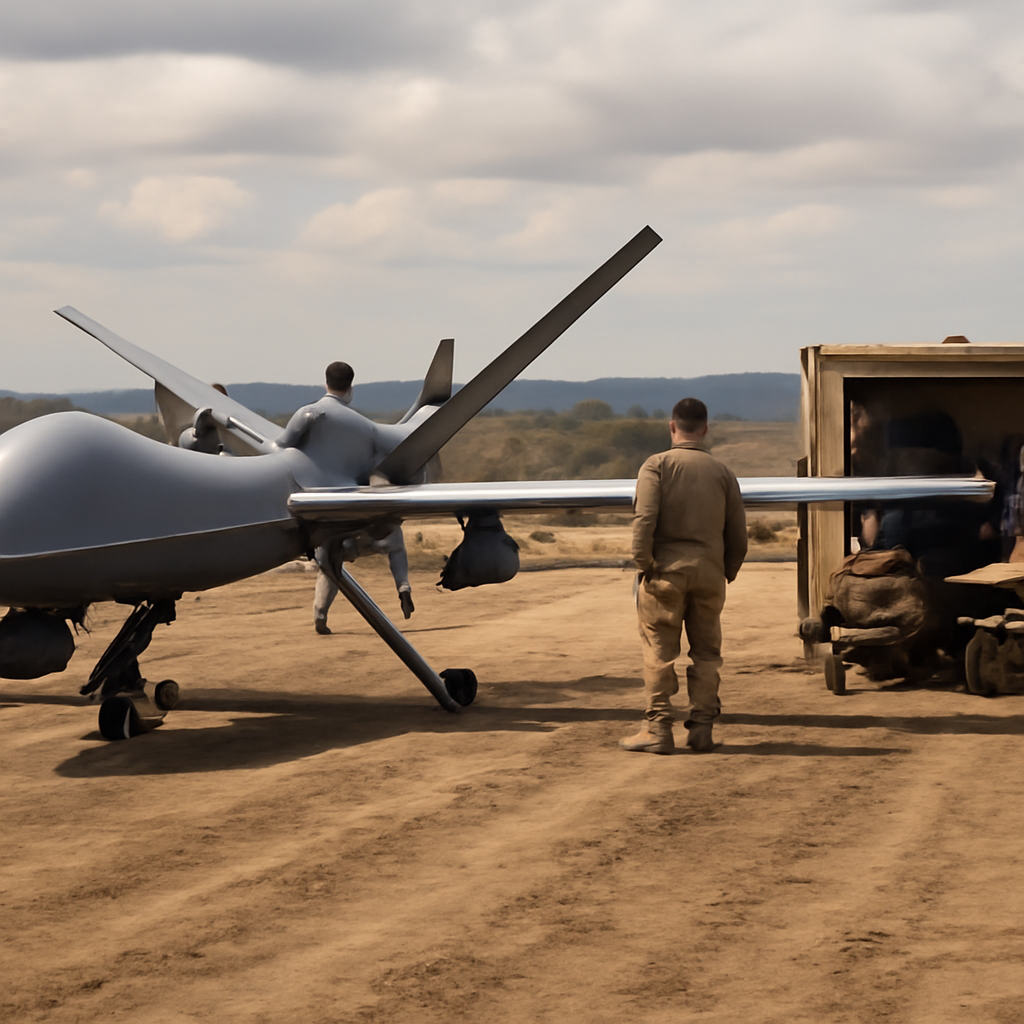
The Pentagon’s Joint Interagency Task Force 401 (JIATF-401) is moving from tests to live fire. The pilot program, announced in May, picked five military facilities to evaluate directed energy systems for counter-drone missions. According to Brig. Gen. Matt Ross, the December event is intended as a “shoot-off” in which systems that “perform effectively or successfully” could trigger immediate purchase orders so production lines can be stood up and systems delivered to the field.
Directed energy options: lasers and high‑powered microwaves
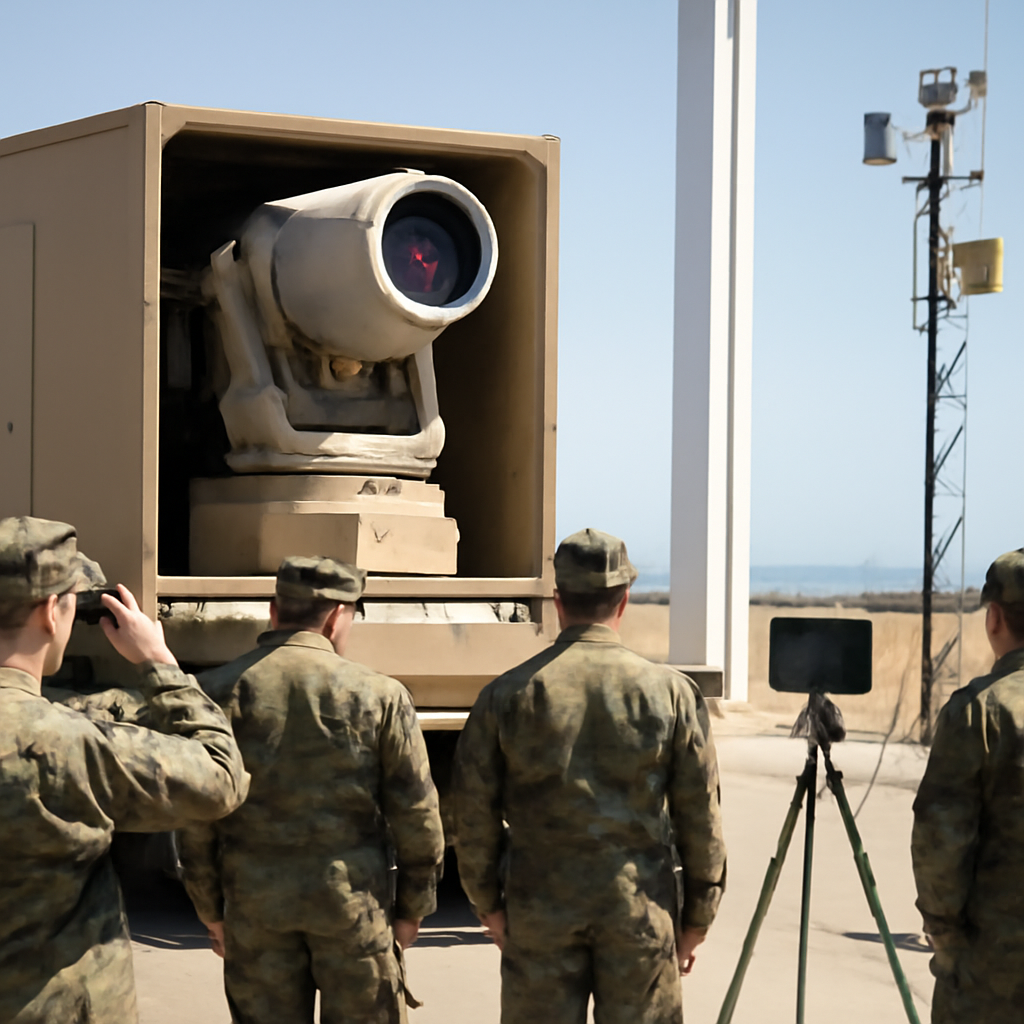
Officials running the pilot are focused on two classes of directed energy: lasers and high‑powered microwaves. The attraction is practical: both technologies promise a low cost‑per‑shot compared with kinetic alternatives and the ability to defeat small unmanned systems that have buzzed domestic military installations and attacked U.S. facilities overseas. But JIATF-401 and service buyers are still working to determine how these relatively nascent capabilities will operate in realistic base and event environments.

Audit-ready is a season. It shouldn't be.
Evidence in spreadsheets, controls drifting between audits, frameworks multiplying on flat headcount. Nubivance runs continuous compliance on Rapid7 Cyber GRC - SOC 2, HIPAA, ISO 27001, PCI, CMMC.
End the scrambleFAA coordination after an El Paso laser test and the southern border agreement
JIATF-401 officials emphasized that experiments with lasers and other directed energy systems carry aviation and public‑safety implications. An apparent miscommunication during a laser test earlier this year briefly prompted the Federal Aviation Administration to close airspace over El Paso, Texas. Since then, military officials have underscored close coordination with the FAA; Ross said those steps culminated in a joint agreement for a laser system to protect the southern border.
Costs, procurement, and the tension between price and use
Affordability is a central constraint. Ross warned that low cost‑per‑shot claims can be misleading when acquisition and fielding costs are high. He offered a notional example: “If I procure that system and it costs me $6 million, and I take one shot a year, you can’t tell me that shot only costs eight cents.” The planned December shoot-off is structured to allow rapid buys of systems that meet operational criteria, enabling procurement decisions to drive production rather than long, uncertain acquisition cycles.
How DHS, installation commanders, and local law enforcement are responding
- Department of Homeland Security: Steven Willoughby, executive director of the program executive office for UAS and counter‑UAS systems at DHS, said the federal role includes training and support but emphasized that local authorities will be primarily tasked with protecting the nation’s vast critical infrastructure. DHS has a federal counter‑drone training program for law enforcement and aims to offer assistance where needed.
- Installation commanders: Ross cautioned that commanders must understand how directed energy will affect base operations. He said the services must “develop the tactics, techniques, and procedures to be able to use them on a base in a way that doesn’t impede the critical functions of that base,” adding, “I don’t want to shut down the airspace as I use those systems.”
- Local law enforcement: Willoughby argued that counter‑drone defenses should be normalized to the point where state and local officials are “enabled, resourced, and then empowered” to protect their jurisdictions, rather than treating the mission as the exclusive province of federal agencies like the FBI or DHS.
The December shoot-off will be a consequential test of whether directed energy can move from promising demonstrations to practical, affordable tools for protecting military sites, major events and critical infrastructure. The program’s leaders have built a pathway to rapid procurement for systems that meet performance standards, but the El Paso incident and Ross’s cost example underscore two persistent challenges: ensuring safety and aviation coordination, and reconciling acquisition costs with the rhetoric of low operational cost‑per‑shot. Whether prototypes clear those hurdles in December will determine whether production lines — and the doctrine to use them without crippling crucial base functions — follow.