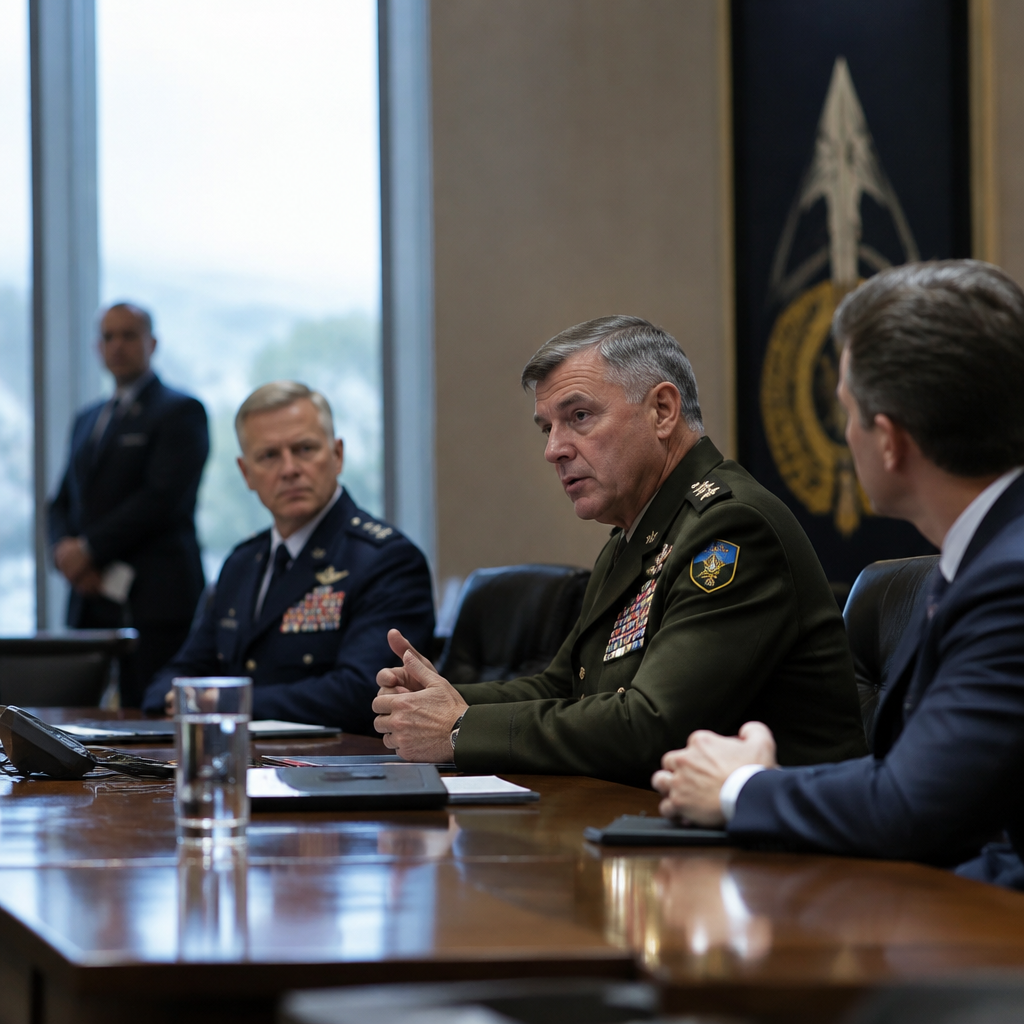
"Despite [its] contribution to the Joint Force and our Nation, resourcing for SOF remains behind current operational and force posture," Defense Secretary Pete Hegseth wrote in a memo dated Nov. 2 and released Nov. 13. The memo lays out a compact but sweeping plan to elevate the Pentagon’s top special operations civilian role to a service-secretary equivalent — a change that would rework where special operations sits in the department's hierarchy and budgeting.
What Hegseth is seeking: an undersecretary of strategic services (OSS)
The central legislative ask in Hegseth’s memo is to transform the assistant secretary of defense for Special Operations and Low-Intensity Conflict (ASD‑SOLIC) into an undersecretary-level post with the label “undersecretary of strategic services (OSS).” The memo directs the department’s legislative affairs team to “draft legislative proposals” to carry that upgrade to Congress. In parallel, Hegseth gives the SOLIC the second, unofficial title of “Assistant Secretary of War for the Office of Strategic Services (ASW(OSS)),“ mirroring a precedent the memo attributes to a past presidential authorization that allowed the Defense Department to use “Department of War” as a secondary title.
Immediate bureaucratic moves Hegseth can order now
Not all actions in the memo require congressional approval. Hegseth orders the department to treat the SOLIC office as “Code 2” under the department’s Order of Precedence, elevating its on‑paper standing to the level of service secretaries for meeting attendance and seniority. He also directs that the SOLIC be included in the department’s highest-level bodies, explicitly listing the Senior Leaders Council, Joint Requirements Oversight Council, Secretary’s Weekly Priorities Review, Program Budget Review, Deputy’s Management Action Group, Sensitive Technical Activities Oversight Committee, Special Access Program governance structures and “all other fora that the Secretaries of the Military Departments are members”.

Your town's IT department is one person. Maybe.
Ransomware crews target small municipalities because nobody's watching. Nubivance gives Maine and New Hampshire towns a security program sized to a town budget.
Protect the town officePersonnel, dollars, and specific budget directives
The memo contains concrete resourcing steps to strengthen SOLIC’s capacity: within 60 days, 75 civilians will be reassigned to the office along with 25 joint staff members. The comptroller’s office is tasked to identify $45 million annually from operations and maintenance (O&M) funds to support the office’s day-to-day operations. On force and modernization, Hegseth directs that SOF be “distinctly delineated in the Defense Planning Guidance and Guidance for the Employment of the Force,” including guidance for increased investment in SOF modernization, major platform recapitalization, and increased readiness. The memo also orders the military departments to “prioritize service support to SOF requirements wherever feasible, such as providing service common platforms and combat loss recoupment.”
Budget posture and USSOCOM priorities through FY2028–2032
Hegseth’s memo instructs budget planners to identify and prioritize opportunities in FY2027 execution and to treat currently submitted USSOCOM resourcing and manpower requests for FY2028–2032 as “top tier priorities for the Department,” consistent with the mission areas he directs. The memo echoes long-standing advocacy for larger SOF funding pools: the story cites Chris Miller, a former ASW‑SOLIC who argued in May for $24 billion annually for SOF in a Breaking Defense commentary.
Responses on authority and investment: Kori Schake and SOF advocates
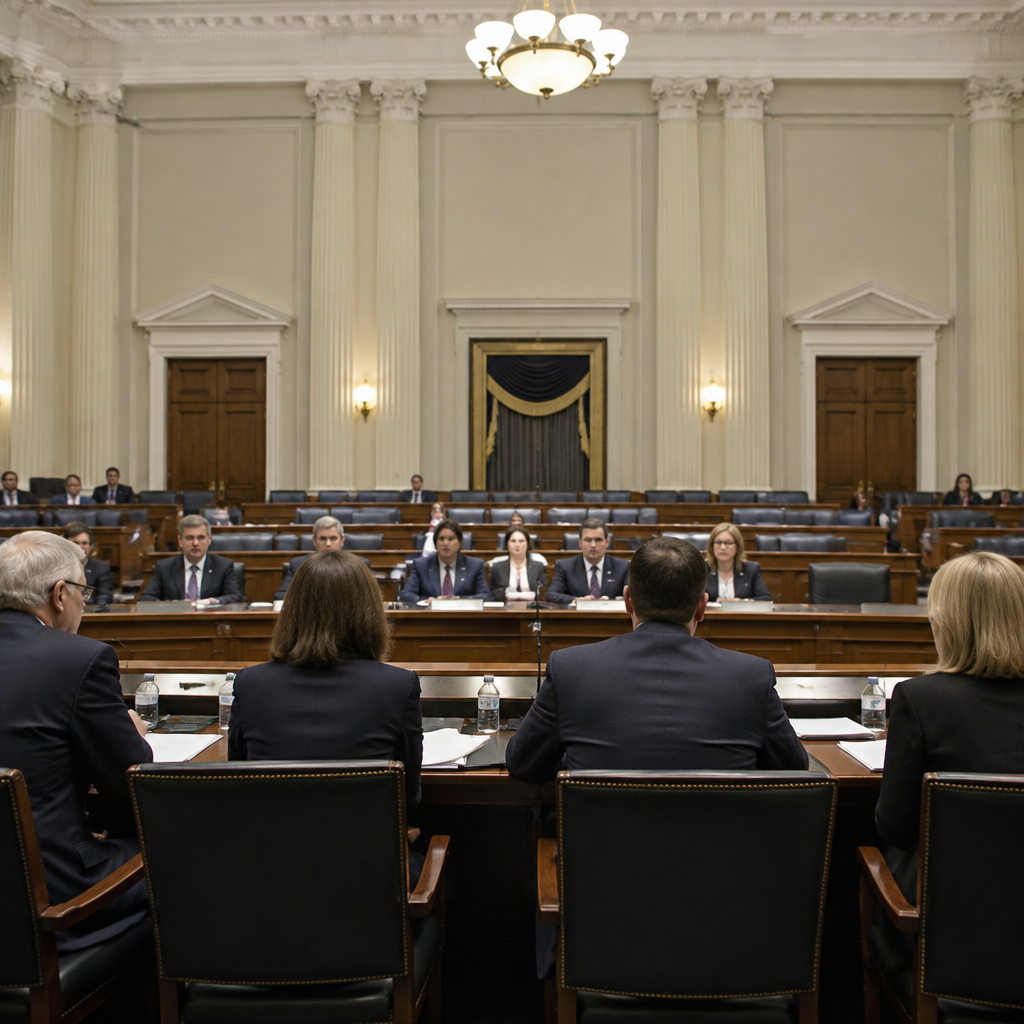
The memo has drawn immediate public skepticism from Kori Schake of the American Enterprise Institute, who told Breaking Defense that Secretary Hegseth “does not have the authority to make that change or allocate that money, Congress would have to authorize the change and appropriate the money.” Schake added a policy judgment to her legal point: “We’re over‑investing in SOF.” The memo itself reflects both the aspiration to lift SOF’s institutional standing and an acknowledgement that the key elevation — making the SOLIC an undersecretary — needs congressional action via legislation such as a future National Defense Authorization Act.
What this means for military departments, USSOCOM, and Congress
- Military departments and service secretaries: The memo explicitly directs them to prioritize service support for SOF requirements, including common platforms and combat loss recoupment, and to include SOLIC in forums where service secretaries sit.
- USSOCOM and SOF leaders: The memo seeks a clearer line in planning and budgeting — delineating SOF in Defense Planning Guidance and elevating USSOCOM resourcing requests as “top tier” in FY2028–2032 development.
- Congress and appropriators: The memo directs legislative proposals to Congress and relies on the legislative branch for the undersecretary elevation and for appropriation of the larger investments Hegseth envisions; critics point to the need for congressional authorization and appropriation before those changes take legal effect.
The memo packages immediate bureaucratic moves with a clear legislative pitch: staff and meeting access can be granted now, money can be repurposed in modest annual amounts, but statutory elevation of the SOLIC to undersecretary status — and any large, structural funding increases — will rest with Congress. The department’s next concrete steps are already assigned in the memo: draft legislative proposals, transfer personnel within 60 days, and task the comptroller to find $45 million a year. Whether Capitol Hill will act on that draft legislation, and whether larger SOF funding priorities will gain acceptance, remains the pivotal question the memo hands to lawmakers.