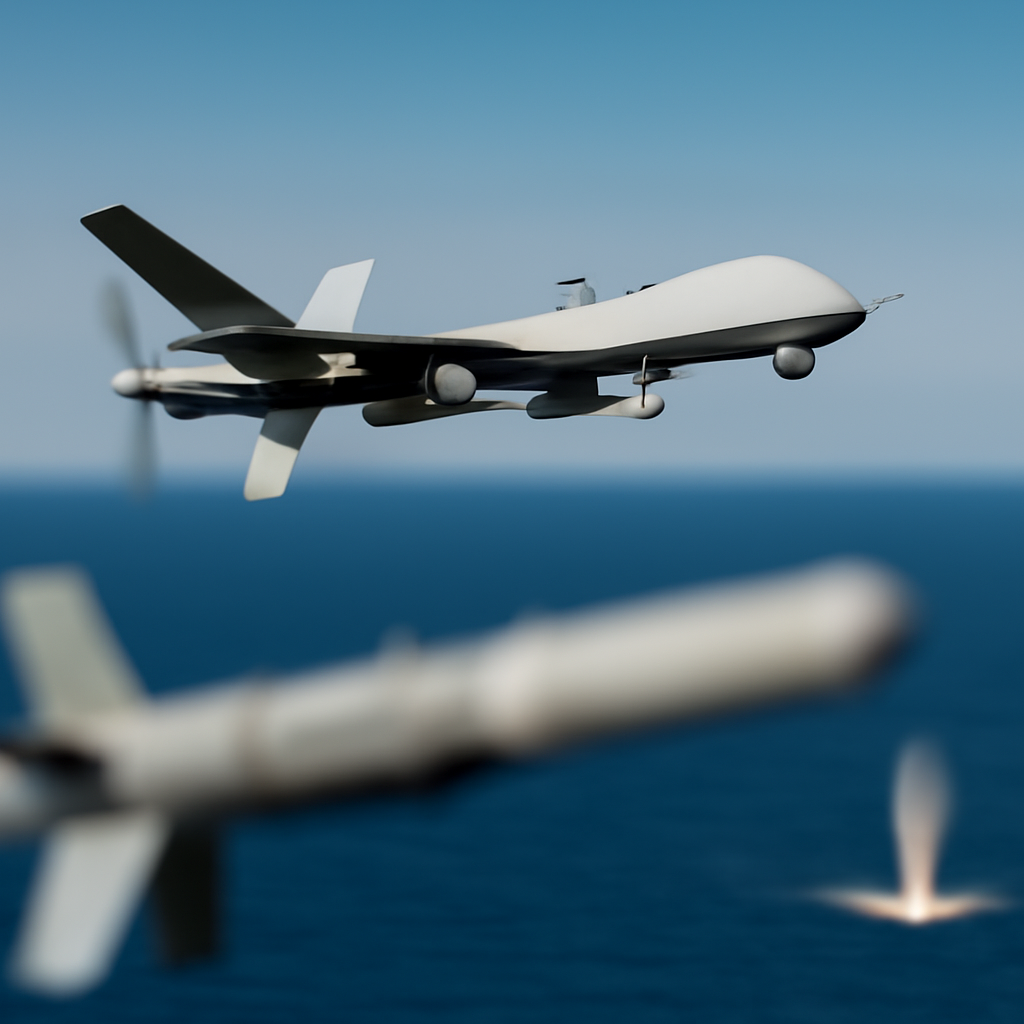
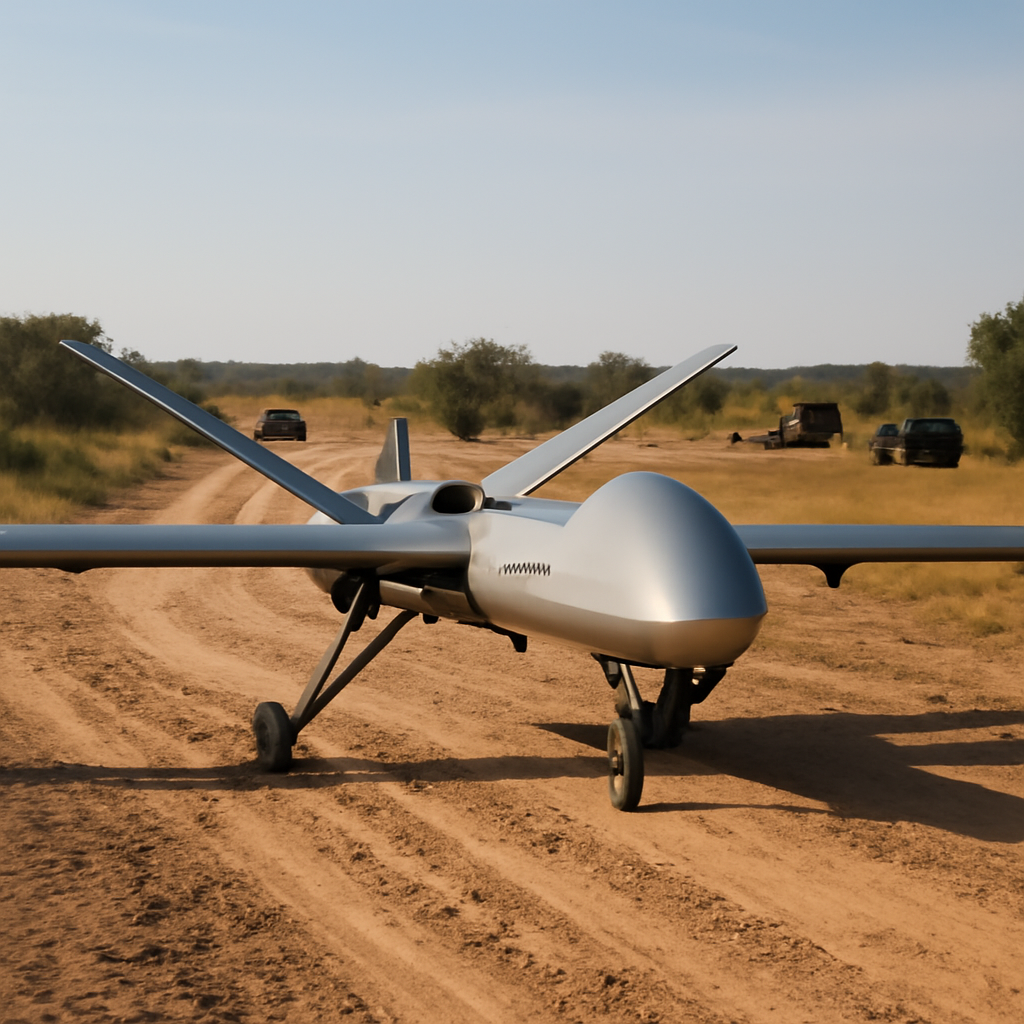
$5,000 a month to connect a LUCAS kamikaze drone to SpaceX’s networks has reportedly become $25,000.
Reuters’ reporting and the Pentagon’s response
Reuters reported that the cost to link each LUCAS one-way attack drone to SpaceX’s space-based networks has risen from $5,000 to $25,000 a month, citing anonymous sources and Pentagon documents the outlet said it reviewed. Reuters said SpaceX argued the drones were effectively using a higher-tier aviation service, while Pentagon officials pushed back that the higher fee was designed for aircraft and not kamikaze drones that used the connection for a matter of minutes or hours. Reuters added that the Pentagon ultimately agreed to pay SpaceX’s proposed price increase.
The Pentagon publicly disputed the particulars. Top Pentagon spokesperson Sean Parnell wrote on X: “The Fake News media has the story wrong, again. @SpaceX remains a strong and valued partner to the Department of War. The claims in this article are simply not based in reality and do not reflect the close, effective collaboration between our teams.”
LUCAS: cheap, mass-produced one-way attackers in service
LUCAS was produced by SpektreWorks in close cooperation with the U.S. military and is described as a reverse-engineered clone of the Iranian-designed Shahed‑136, with a unit cost of around $35,000. The U.S. military announced it had begun fielding LUCAS operationally last December with a special operations‑led task force in the Middle East, and the design’s official combat debut occurred on February 28 in the opening wave of strikes on Iran.
Versions fitted with miniature beyond-line-of-sight satellite datalinks have appeared in official pictures of LUCAS in the Middle East; a social‑media video showed a satellite communications terminal hanging by a cord on a largely intact LUCAS reportedly recovered in Iraq. U.S. Navy Adm. Brad Cooper, head of U.S. Central Command, described the one-way attackers as an “indispensable” component of that operation, dubbed Epic Fury.

Audit-ready is a season. It shouldn't be.
Evidence in spreadsheets, controls drifting between audits, frameworks multiplying on flat headcount. Nubivance runs continuous compliance on Rapid7 Cyber GRC - SOC 2, HIPAA, ISO 27001, PCI, CMMC.
End the scrambleStarlink, Starshield, and SpaceX’s footprint
SpaceX’s Starlink and its government-focused cousin Starshield sit at the center of the dispute. Elon Musk wrote on X in response to earlier posts about LUCAS: “It is a violation of commercial Starlink terms of service to use the terminal for weapon systems. This applies to all users and is shut down when discovered. There is a separate network called Starshield, which is operated by the US government. This is not under SpaceX control.”
TWZ’s reporting cites Reuters’ figures that SpaceX operates some 10,000 satellites supporting Starlink and Starshield, representing more than 60 percent of all satellites currently in orbit. The article notes heavy U.S. government use of Starlink/Starshield across aircraft, ships and land settings — including integration on VH‑92 Patriot presidential helicopters and U.S. Navy aircraft carriers — and that offerings from competitors like OneWeb and Amazon’s Leo are more limited in scale.
Cost math, autonomy, and network demands
Reuters described the added fee as a “monthly” charge, but TWZ reports that Reuters’ reporting indicates the U.S. military pays the $25,000 only once to employ a LUCAS drone. That one‑time connectivity cost would, by Reuters’ accounting, effectively approach doubling the drone’s roughly $35,000 unit price, producing a combined headline figure of about $60,000 per equipped drone.
Plans to add swarming capabilities via Shield AI’s Hivemind autonomy software could change future connectivity needs. TWZ noted that human‑in‑the‑loop control for kinetic effects requires beyond‑line‑of‑sight communications, and that a swarm can be controlled if only a subset of drones carry SATCOM terminals acting as relay nodes. The report also says Starlink/Starshield terminals are designed for relatively high bandwidth use, and Reuters tied SpaceX’s fee demand to increased network load after strikes on Iran began.
What this means for the Pentagon, SpaceX, and the U.S. Space Force
- Pentagon procurement and operational planners: The Pentagon told TWZ it is “conducting comprehensive market research to continuously monitor commercial offerings” and is “actively engaging with industry” while its Commercial Satellite Communications Office pursues “additional options with other proliferated low earth orbit partners.”
- SpaceX and Elon Musk: SpaceX’s posture — including Musk’s statement that Starlink ToS forbid weapon‑system use and that Starshield is a separate government network — positions the company as both a critical supplier and a regulator of how its commercial service is used.
- U.S. Space Force and program managers: The U.S. Space Force finalized a new Other Transaction Authority agreement with SpaceX valued at $2.29 billion for work on the Space Data Network Backbone program, tying the company into future space‑based sensing and targeting efforts that intersect with missile defense and other programs noted in the report.
The record in the reporting is clear on a few facts: LUCAS is a low‑cost, mass‑produced one‑way attacker that has been operating with Starlink/Starshield terminals; Reuters says SpaceX sought a higher, aviation‑tier price and the Pentagon agreed; SpaceX and the U.S. government are deeply entwined in SATCOM and other space services. The reporting also leaves in plain view two practical uncertainties explicitly acknowledged in the story: what SpaceX might have done if the Pentagon had refused the fee increase, and what contractual protections exist to prevent sudden disconnection of government users. Both remain open questions in the account provided.