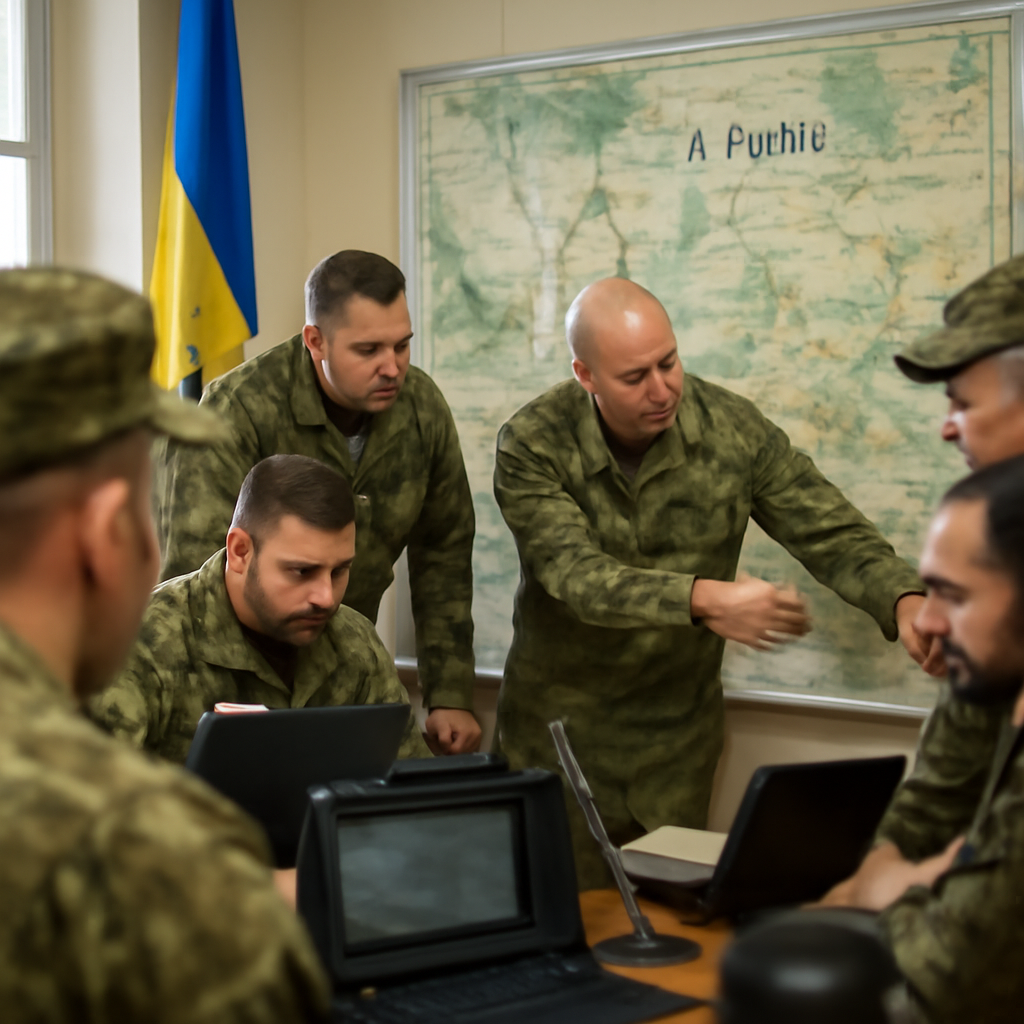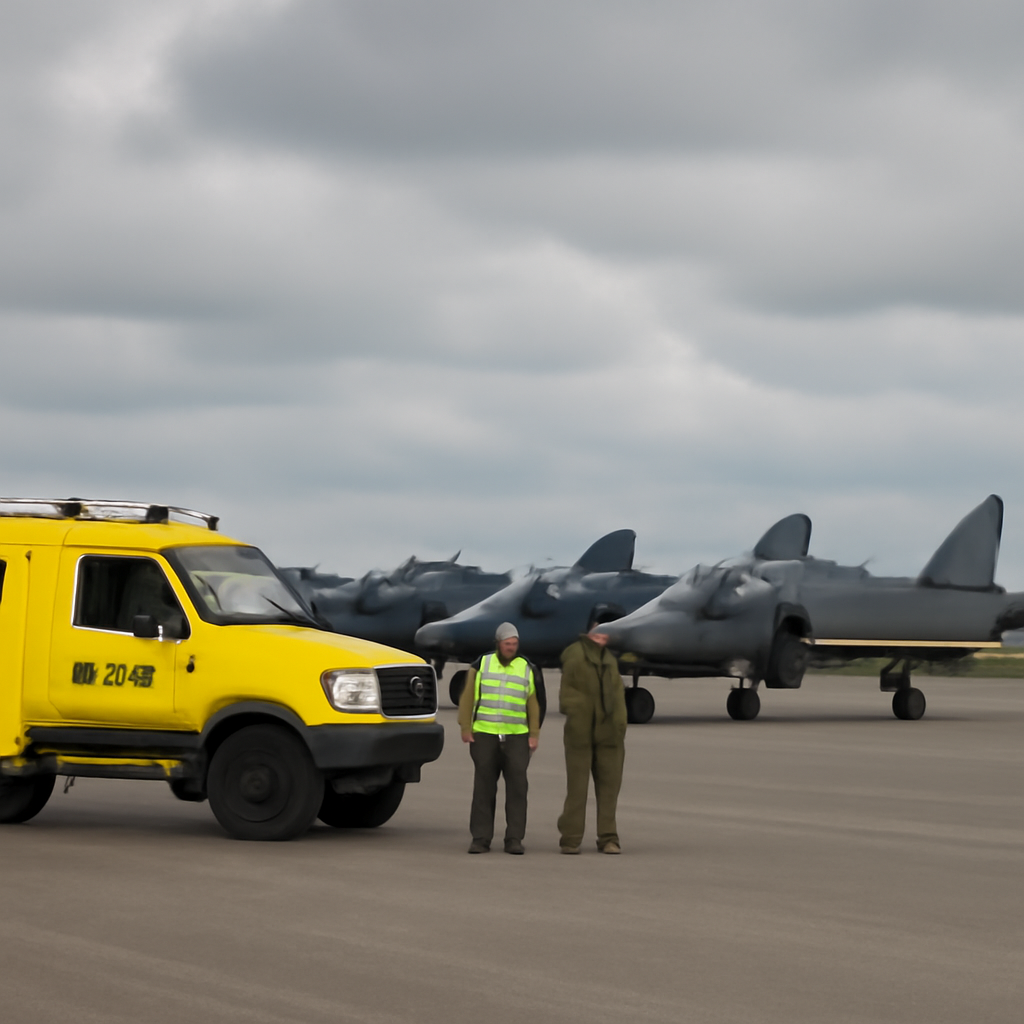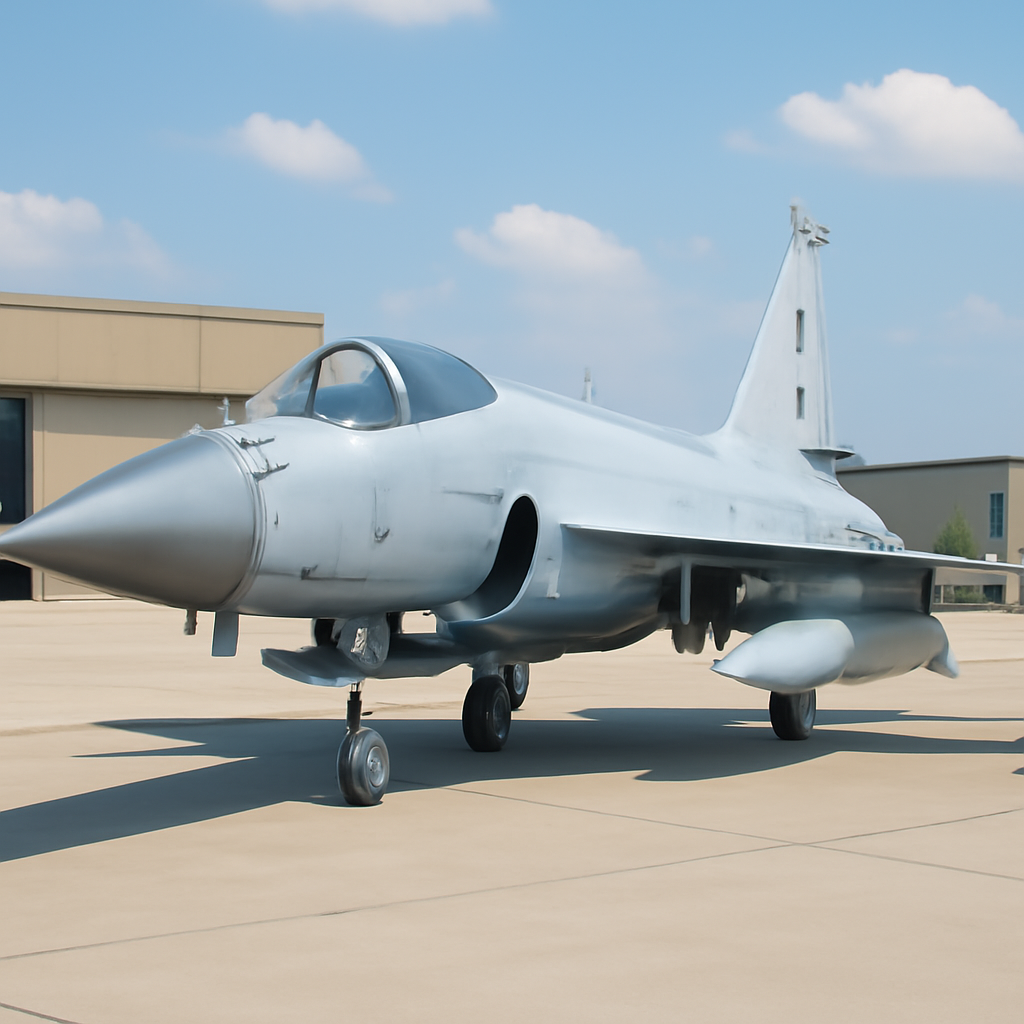
Azerbaijan’s reported USD $4 billion deal includes 40 JF-17s as well as significant work in terms of establishing new infrastructure (e.g., hangars, hardened aircraft shelters or HAS, etc), holistic training support, and JF-17-specific integration/configuration help.
Aselsan disclosure and third-party subsystem integration
Turkish defence electronics company Aselsan disclosed that it supplied ARTCom 9681 VUHF‑A radios into the mission computer of the JF‑17 Thunder, and that the integration and tests were done for a Central Asian country — adding that this package (JF‑17 + ARTCom 9681) entered the inventory of this country. The company’s statement underscores a capability for third‑party subsystem work on the JF‑17 platform, and it dovetails with reporting that integration and configuration are part of how customers can tailor the aircraft to specific needs. Rumours of Turkmenistan acquiring the JF‑17 have circulated, but those reports have not been confirmed.
Global market dynamics that shaped the JF‑17’s prospects
When Pakistan and the Aviation Industry Corporation of China (AVIC) began the JF‑17 program (then FC‑1 or Super‑7), they expected demand from operators of legacy MiG‑21, F‑7 and F‑5 fighters. The market, however, moved away from a single middle ground: many air forces went to either high‑technology, high‑performance fighters such as Rafales or Typhoons, or to lighter, air‑policing platforms such as the Super Tucano. Until 2022 the tactical fighter space was shrinking, and the middle sector became crowded with competitors — Gripen, used F‑16A/Bs, FA‑50 and Tejas among them. Since the Russia‑Ukraine War there has been a broad revisit towards tactical fighters, but aside from a few air forces (for example, Poland) there has been no mass‑market resurgence.

Audit-ready is a season. It shouldn't be.
Evidence in spreadsheets, controls drifting between audits, frameworks multiplying on flat headcount. Nubivance runs continuous compliance on Rapid7 Cyber GRC - SOC 2, HIPAA, ISO 27001, PCI, CMMC.
End the scrambleThe PAF’s pitch: aircraft as one element of force re‑building
In the Azerbaijan arrangement the JF‑17 is positioned as a feature within a much larger offer: the Pakistan Air Force (PAF) is effectively contracted to rebuild an air force from the ground up, not merely to deliver aircraft. The deal’s scope — infrastructure, holistic training support and platform integration — points to a value proposition centered on training, exercises and doctrine development as much as on hardware. Azeri personnel, for example, have the option to train at PAF Academy Asghar Khan and the College of Aeronautical Engineering (CAE), and to undergo fighter conversion training within the PAF or even join an operational PAF squadron for experience.
Project PFX Alpha, NASTP and indigenous weapons pairing
Pakistan’s effort to localise critical subsystems is reflected in Project PFX Alpha, which is working on controlling the radar, avionics and electronic warfare stack by sourcing internally designed and integrated solutions via the National Aerospace Science and Technology Park (NASTP). That work is meant to pair with domestically built munitions, including long‑range strike weapons such as the Taimur air‑launched cruise missile and the AZB‑series of powered glide‑bombs. The article notes the PAF could, if required, accommodate changes to the JF‑17 and potentially enable capabilities — for example long‑range strike — that might be less tenable from other suppliers.
What this means for Azerbaijan, prospective customers, and the PAF
- Azerbaijan: will receive not only 40 JF‑17s but embedded training and institutional support that aim to produce pilots and engineers versed in networked employment, precision strike and force doctrine — foundations that could enable a future move to a next platform such as the KAAN.
- Prospective buyers (Somalia, the Libyan National Army, Sudan, Iraq and others): see an on‑ramp to build an air force’s foundations, with access to training, integration and operational support beyond a simple aircraft sale.
- The Pakistan Air Force: by emphasizing training, exercises and doctrine, the PAF can market itself as a holistic capability provider rather than only a product vendor — a position reinforced by Pakistan’s projects to indigenise avionics, EW and munitions.
The JF‑17’s sales record — confirmed orders in Myanmar, Nigeria and Azerbaijan, and failed bids or non‑sales in places such as Uzbekistan and Malaysia — shows demand is not driven solely by operators of obsolete jets. Pakistan is not a cash‑flush nation that can offer an alternative financing scheme to the Chinese, nor can it exert geo‑political or economic influence over others. What it can offer, and what the Azerbaijan deal highlights, is a bundled pathway: aircraft plus infrastructure, training and doctrine. That combination reframes the JF‑17 as a component of a fast‑to‑field, whole‑force solution — a proposition that will determine whether prospects in Central Asia, Africa and the Middle East view the aircraft primarily as hardware or as the centerpiece of a broader capability transfer.