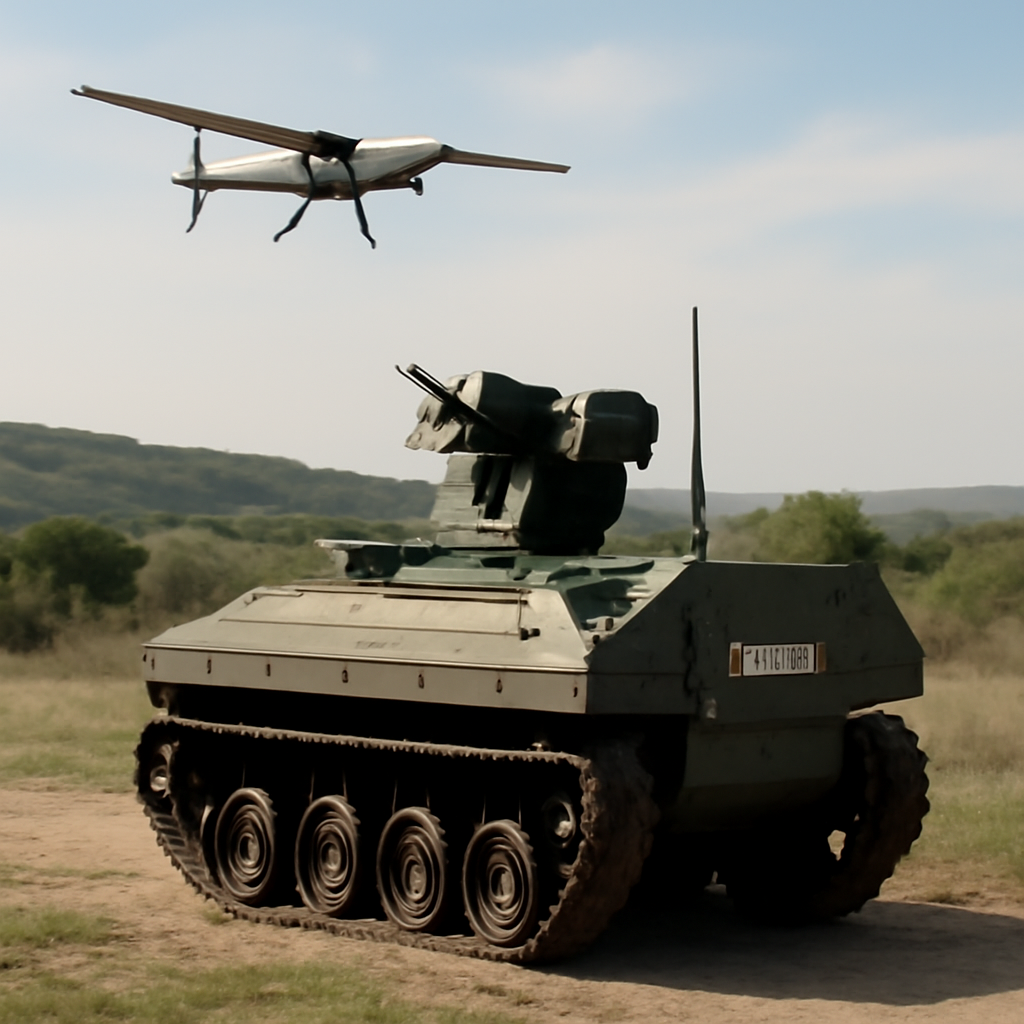
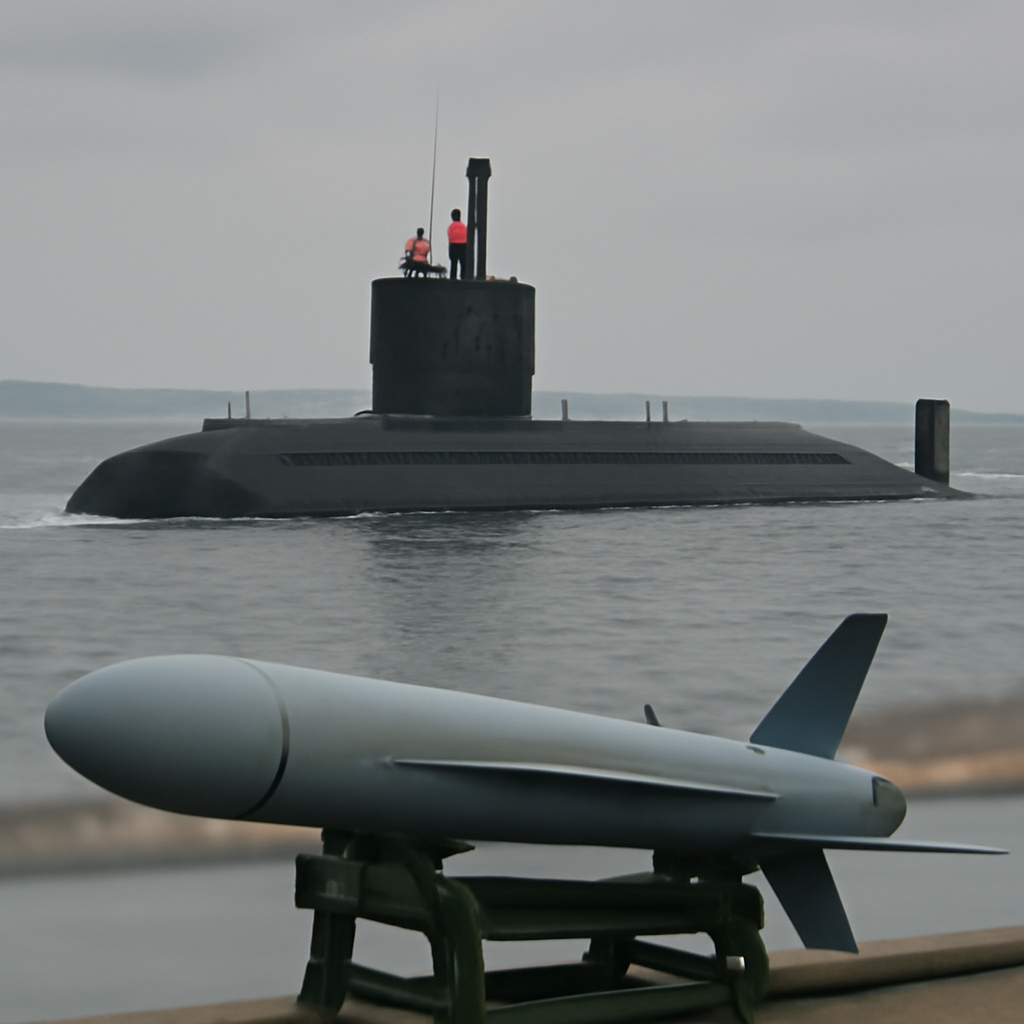
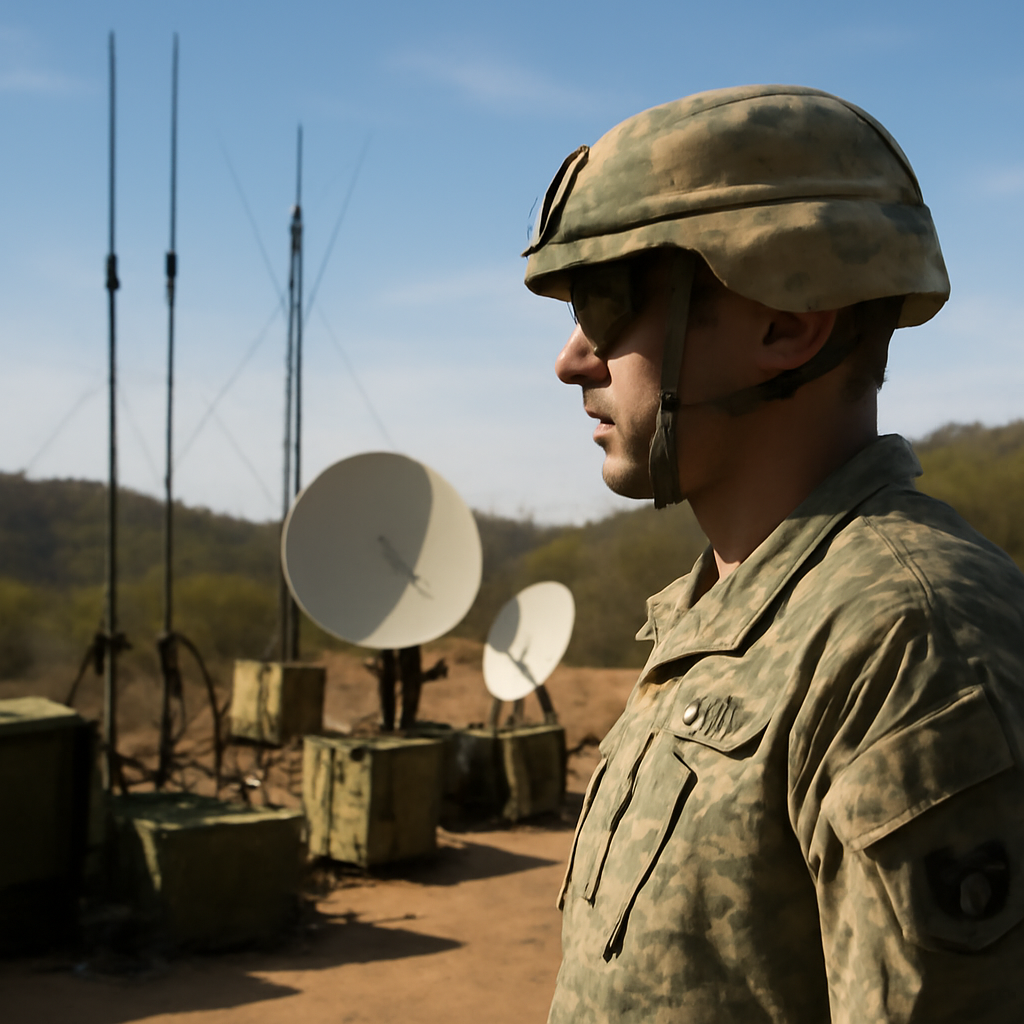
In October 2026 Admiral Naveed Ashraf laid out a clear technological ambition for the Pakistan Navy: an interconnected Naval Air Arm built on manned‑unmanned teaming (MUM‑T), artificial intelligence (AI), sensor fusion and a mesh network.
Why a mesh network matters for the Pakistan Navy
The brief definition in the Navy’s plan is procedural and practical: a mesh network is a radio network in which every node can send, receive and relay traffic for other nodes, letting data travel without a single central relay. Militaries call these mobile ad hoc networks (MANET) because the nodes move and the network forms wherever those nodes are. The Pakistan Navy’s account stresses the resilience such a design provides — if a node is destroyed, jammed, or moves out of range, remaining nodes route traffic around it.
At sea those nodes are not hypothetical: the source explicitly lists ships, MPAs/LRMPAs, drones, helicopters, USVs and shore stations as possible network participants. The brief gives a concrete tactical example: a low‑flying drone can relay signals from a USV beyond the surface ship’s line of sight, extending reach and persistence.
Foundations already in service: platforms and Link Green
The Pakistan Navy is not starting from zero. The service operates long‑range maritime patrol aircraft (LRMPAs) and multi‑mission naval helicopters, and it fields an indigenous tactical data‑link called Link Green. It is also building a growing portfolio of sea platform‑ and shore‑based long‑range missiles and maintains a “well‑developed vision” for operating drones. Those elements supply much of the hardware footprint a MANET needs: moving nodes with sensors, weapons and communications capability.

Audit-ready is a season. It shouldn't be.
Evidence in spreadsheets, controls drifting between audits, frameworks multiplying on flat headcount. Nubivance runs continuous compliance on Rapid7 Cyber GRC - SOC 2, HIPAA, ISO 27001, PCI, CMMC.
End the scrambleNESCOM’s role and the unmanned programs
The National Engineering & Scientific Commission (NESCOM) is identified as the lead for the Navy’s unmanned and autonomous programs. NESCOM is developing a UAV (Shahpar‑3), a USV (Muhassir) and an AUV (Israr). The brief notes development of some platforms — notably Shahpar‑3 — is ongoing, and that the intended unmanned stack has not yet been deployed at scale.
Equally important, new‑generation crewed platforms that would form MANET nodes — for example the Sea Sultan LRMPA — have not yet been inducted. The brief draws a causal sequence: the programs needed for MUM‑T, broad sensor fusion, AI adoption and mesh networking depend on those inductions.
What the Navy’s stated requirements translate into
The source frames an explicit procurement and capability translation: the Navy’s operational goals will become requirements for specific technical components including edge radios, drone‑control software, sensor‑fusion solutions and related systems. Because a MANET distributes routing and relaying across mobile nodes, the Navy will need radios and link software that allow peer‑to‑peer relaying, survive disruption (the brief expressly mentions jamming as a failure mode), and integrate with an indigenous tactical link already in service — Link Green.
The plan’s emphasis on MUM‑T, AI and sensor fusion means those edge systems must carry not only basic communications but also payloads of sensor data that AI‑enabled fusion systems can use. The brief ties the timeline for those functions directly to platform inductions: without the Shahpar‑3 family of UAVs, Muhassir USVs and Sea Sultan LRMPAs operating at scale, the full mesh architecture remains contingent.
Opportunities for domestic and foreign suppliers
NESCOM’s lead role in UAV/USV/AUV development makes domestic engineering and systems integration firms immediate participants in the demand signal. At the same time, the brief explicitly frames edge radios, drone‑control suites and sensor‑fusion software as marketable requirements that could attract both domestic and foreign suppliers. The report highlights that in the short‑to‑medium term the Navy is prioritizing these capability areas because they are “more financially accessible” than acquiring major platforms — creating a nearer‑term procurement window for vendors focusing on radios, data links, autonomy middleware and sensor fusion.
What this means for technologists, procurement leaders, and naval operators
- Technologists and security teams: Expect demand for MANET‑capable radios and link software that can peer and relay across ships, aircraft, drones and shore nodes, and for sensor‑fusion and AI software that can operate on data forwarded across such a mesh.
- Procurement and program managers: The induction schedules for Shahpar‑3 and Sea Sultan LRMPA are the gating events. Until those platforms are fielded at scale, the mesh architecture will be limited; conversely, their arrival will create cascading requirements for radios, control systems and integration services.
- Naval operators: The Navy’s chosen node mix — crewed LRMPAs, helicopters, NESCOM’s UAVs, USVs and shore stations — implies new operational patterns where low‑flying UAVs and USVs extend line‑of‑sight and relay capabilities, changing how surveillance and weapon systems can be coordinated at sea.
The Pakistan Navy’s ambition is technically coherent and deliberately staged: build the platform nodes first, then bind them with links, fusion and AI. The near‑term market is clear — radios, drone control and sensor‑fusion software — and NESCOM’s program leadership makes domestic suppliers central. The unanswered operational pivot is timing: when Shahpar‑3, Muhassir, Israr and Sea Sultan arrive at scale, the Navy’s mesh vision will move from blueprint to networked reality.