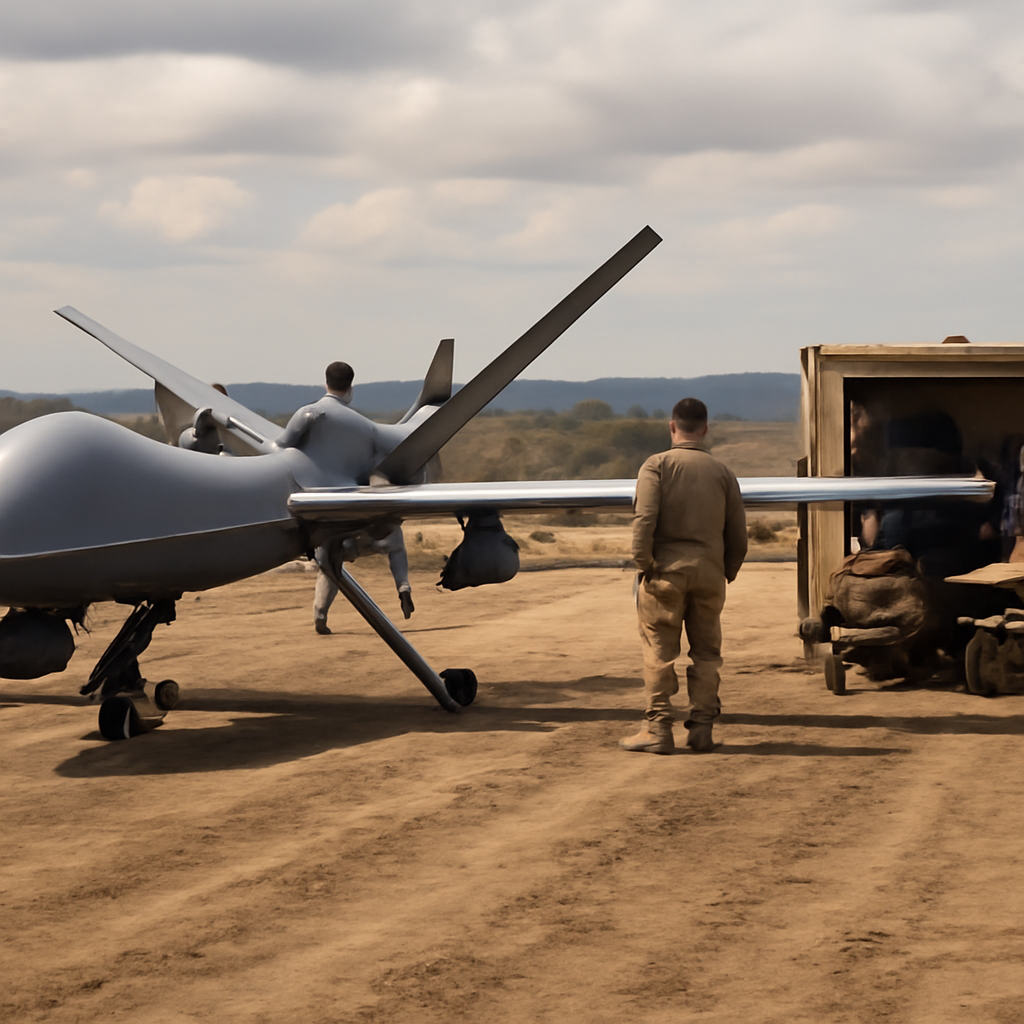
"Jets represented approximately 40% of the UAVs Russia was employing against Ukraine, and forecast that their share could reach 80%," Ukrainian Air Force deputy commander Yurii Cherevashenko told a parliamentary hearing on 06 October 2026. That assessment, and the explosive rise in jet-UAV launches cited by Ukrainian officials, provides the direct backdrop to Pakistan’s recent pivot toward low-cost, turbojet-powered one-way attack systems.
Quwa’s reading: a shift toward simpler, scalable cruise missiles and jet OWAs
Quwa’s recent assessments describe Pakistan as moving toward "simpler, scalable and lower-cost cruise missile designs." The outlet highlighted the Fatah-4 and Fatah-4-ER as examples of that apparent shift. Over a six-month review, Quwa traced the emergence of dedicated jet-powered one-way effectors alongside Pakistan's existing missile programs, signposting a coordinated trend rather than isolated projects.
Pakistani jet-powered OWA projects named in the record
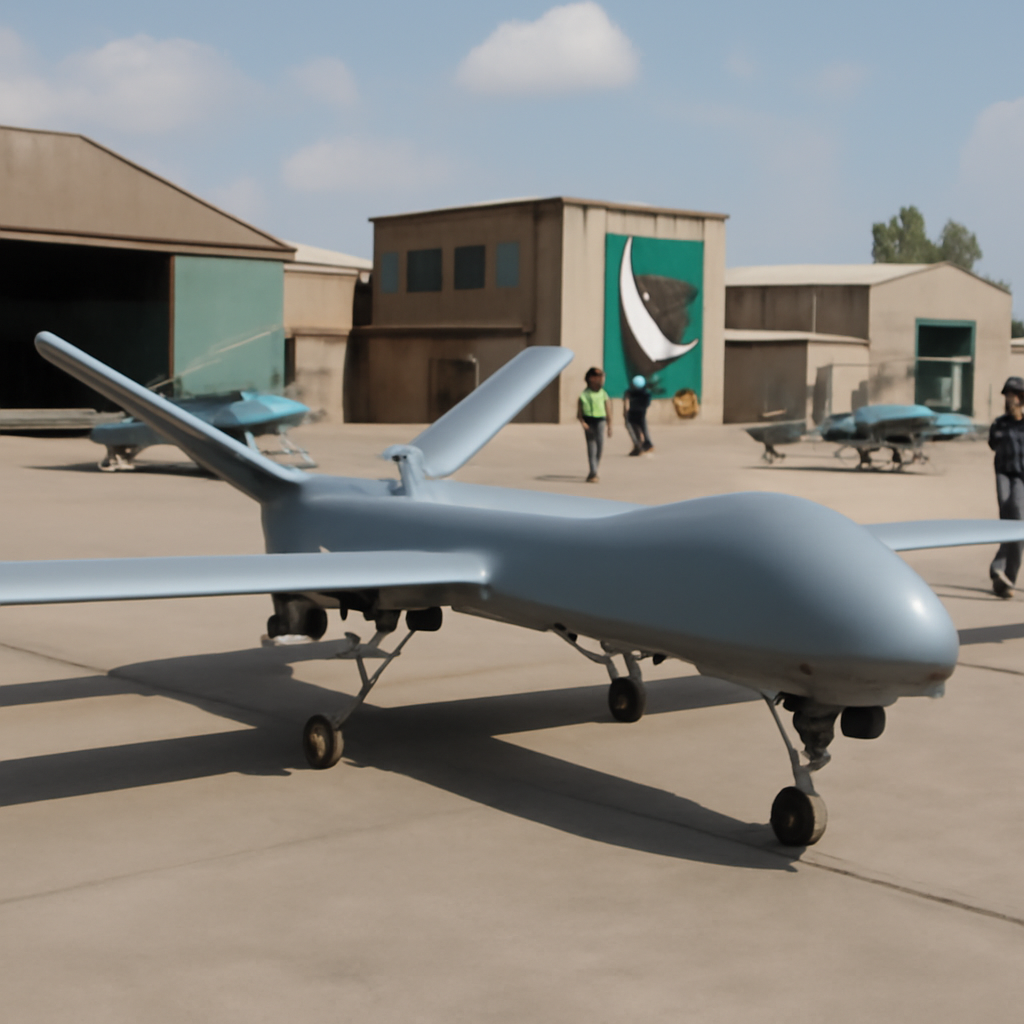
Quwa lists a set of turbojet-powered one-way attack (OWA) designs under development in Pakistan, naming both private-sector firms and state-owned enterprises as participants. The systems identified include Sarfarosh, KaGeM V3, Delta Baaz, HiMark-25 TJ and Nimbus 2K. The cataloguing of these platforms underscores that Pakistan’s activity spans multiple airframe designs and developer types, not a single prototype or experiment.

This site is the portfolio.
OSINTSights runs on Cloudflare Workers, D1, R2, and Vectorize, with an AI pipeline on Hetzner ARM. Nubivance designed, built, and operates it. We do the same for clients.
See what we buildPiston-powered loiterers and the parallel to Shahed-136
Alongside turbojet projects, Quwa reports Pakistan is investing in piston-powered loitering munitions analogous to the Shahed-136. The assessment emphasises that this is a parallel posture: Pakistan is pursuing both lower-speed, piston loiterers and higher-speed jet-powered weapons at the same time. Quwa highlights the parallel interest as notable because "Russia’s use of these systems becomes a central topic of study and the wider market for expendable long-range strike weapons continues expanding."
Why Ukraine’s experience matters: Geran-series and a rapid rise in jet-UAV launches
Quwa connects Pakistan’s choices to observable changes in Russia’s strike mix in Ukraine. The Geran-4 and Geran-5 are described as "assuming a growing proportion" of Russian attacks. Ukrainian officials presented concrete launch figures to illustrate the change: Air Force spokesperson Yurii Ihnat reported roughly 350 jet-UAV launches in June, 1,500 in July, 2,800 in August and 3,500 in September — a tenfold increase across that period. Quwa notes that the 80% figure Cherevashenko cited is a forecast and that the roughly 40% baseline covers attacking UAVs more broadly, but it also stresses that "the direction of growth is clear."
How Pakistani private-sector firms and SOEs, the Ukrainian Air Force, and regional procurement leaders are responding
- Pakistani private-sector firms and state-owned enterprises: Quwa’s reporting implies they are diversifying portfolios to include turbojet-powered OWAs as well as piston loiterers. Expect continued design activity across the named programs—Sarfarosh, KaGeM V3, Delta Baaz, HiMark-25 TJ and Nimbus 2K—as firms and SOEs seek roles in an expanding market for expendable long-range strike weapons.
- The Ukrainian Air Force and analysts studying Russia’s tactics: Ukrainian officials are treating jets as a growing component of the strike mix and publishing launch-rate data to underline that trend. Those metrics provide a real-time case study for other states weighing their own force-structure trade-offs between cheaper loiterers and higher-speed jet effectors.
- Regional procurement leaders and militaries: The coexistence of piston loiterers and turbojet OWAs in Pakistan’s pipeline signals procurement choices to be made between quantity, cost-per-shot and the performance envelope of faster, longer-range systems. Quwa frames these choices inside a "wider market for expendable long-range strike weapons" that is expanding, suggesting competition and offers from multiple suppliers will shape near-term decisions.
Pakistan’s strategy, as presented by Quwa, is explicit in two themes: scale and plurality. The country is not betting on a single concept — it is simultaneously developing lower-speed piston loiterers analogous to the Shahed-136 and a growing slate of turbojet-powered OWAs named in Quwa’s report. Ukrainian battlefield experience, where Geran-series jets have become prominent and launch rates have climbed dramatically, appears to be a practical reference point for that choice.
The most concrete next steps to watch within the record are whether the named Pakistani designs move from development into sustained production and how operational employment compares between the two classes of weapon. The answers will determine whether Pakistan’s pivot remains an industrial posture or becomes an operational reality with implications for regional force structures.