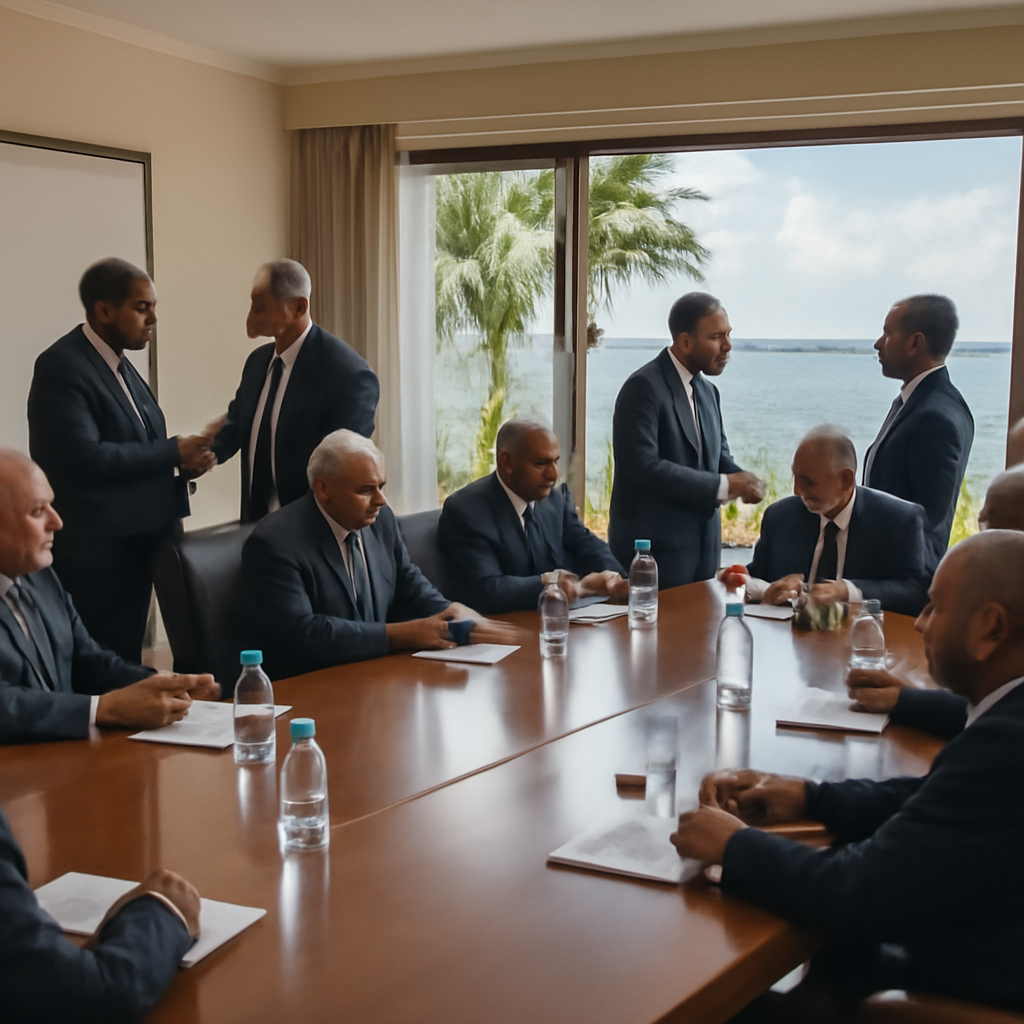
The 55th annual meeting of the Pacific Islands Forum (PIF) took place last week in Palau, one of only 12 nations in the world that recognise Taiwan.
55th Pacific Islands Forum in Palau and the China shadow
The gathering was widely expected to be dominated by tensions with China. That expectation was sharpened after a Chinese missile test in the Pacific shortly before leaders arrived, and by what the article describes as China's active effort to "disrupt the meeting and to discredit the host Palau and its president, Surangel Whipps Jr."
Against that backdrop, observers watched for whether there would be a final communique and, if so, whether it would address the test. Reports in some media suggested the forum had failed to condemn the test and was divided, with absences among leaders. The article counters that narrative, saying those headlines overstated the situation.
What this means for Pacific leaders, partners, and Palau
- Pacific leaders: The meeting, the article argues, showed leaders present "in large numbers" and asserting regional priorities, including messaging on security and climate despite outside pressure.
- International partners: Australia and the United States responded with visible financial commitments and logistical support, signalling attentiveness to Pacific priorities.
- Palau and its president: The host received efforts to discredit it, yet the forum proceeded and achieved negotiated outcomes the article describes as "important" for the region.

Audit-ready is a season. It shouldn't be.
Evidence in spreadsheets, controls drifting between audits, frameworks multiplying on flat headcount. Nubivance runs continuous compliance on Rapid7 Cyber GRC - SOC 2, HIPAA, ISO 27001, PCI, CMMC.
End the scrambleConcrete commitments: Australia’s A$600 million, the US$150 million, and Qantas
The meeting produced tangible pledges that the article lists as direct responses to regional priorities. Australia pledged A$600 million in new funding aimed at action targeting narcotics transiting the region. The United States committed US$150 million to support energy security and address rising fuel costs across the Pacific. In addition, a second weekly Qantas flight connecting Australia to Palau was announced.
Leaders and partners also made progress on climate financing and preparations for the COP and other upcoming environmental summits, according to the report. The article frames these outcomes as evidence that "partners have listened and responded to the priorities."
The leaders' statement on the Chinese missile test — one dissent
Despite media accounts of a divided forum, the article says Pacific leaders and partners "overwhelmingly agreed on a very specific statement about the recent Chinese test, noting their concern," with only one dissent cited. The precise wording of that statement is not reproduced in the piece, but the reporting emphasises that the group did register formal concern rather than leaving the matter unaddressed.
The article calls attention to the procedural character of the meeting: the agenda was substantive, discussions ran long and included many stakeholders, and the Pacific decision-making style was described as "inclusive, patient, respectful." Those qualities, the author argues, carried the day even amid external pressure.
New Zealand’s proposed changes and the Pacific way
Looking ahead, the article notes that New Zealand, as next year’s host, "may be considering a leaner, more limited leaders meeting." Reportedly only "strategic partners" will now be invited, and there may be an effort to shorten the list of topics and limit related events to make the meeting more "efficient."
The piece closes with a cautionary note: "Let’s hope the organisers of next year’s Pacific Islands Forum meeting don’t prioritise expediency or placating China at the expense of the Pacific way and the Pacific’s partners." That final line frames the central tension the article sees coming out of Palau — between a smaller, quicker forum and the region's traditional inclusive approach.