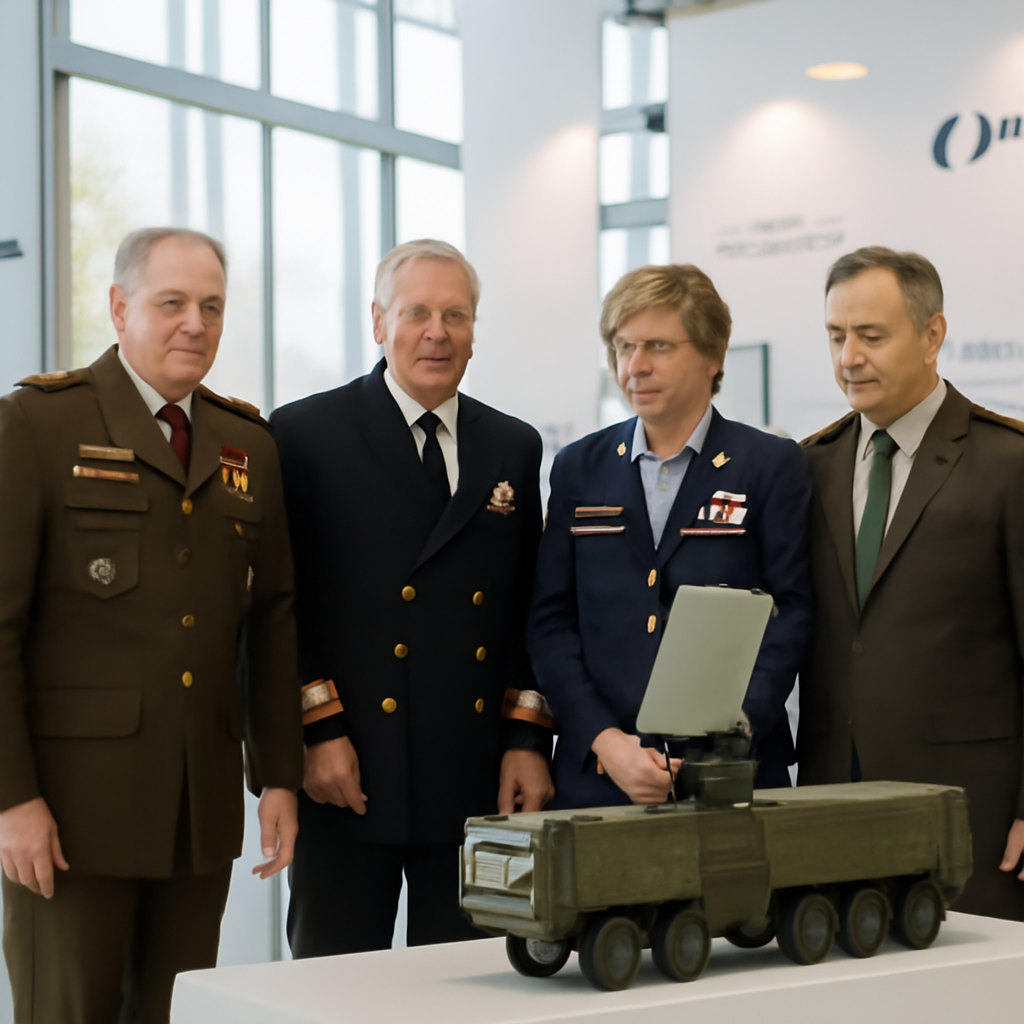
"It’s easy to see something’s moving, I have dots moving all over,” said Ben Pinx, Principal, Technology and Mission Solutions, Lyntris.
Persistent awareness in the Indo‑Pacific
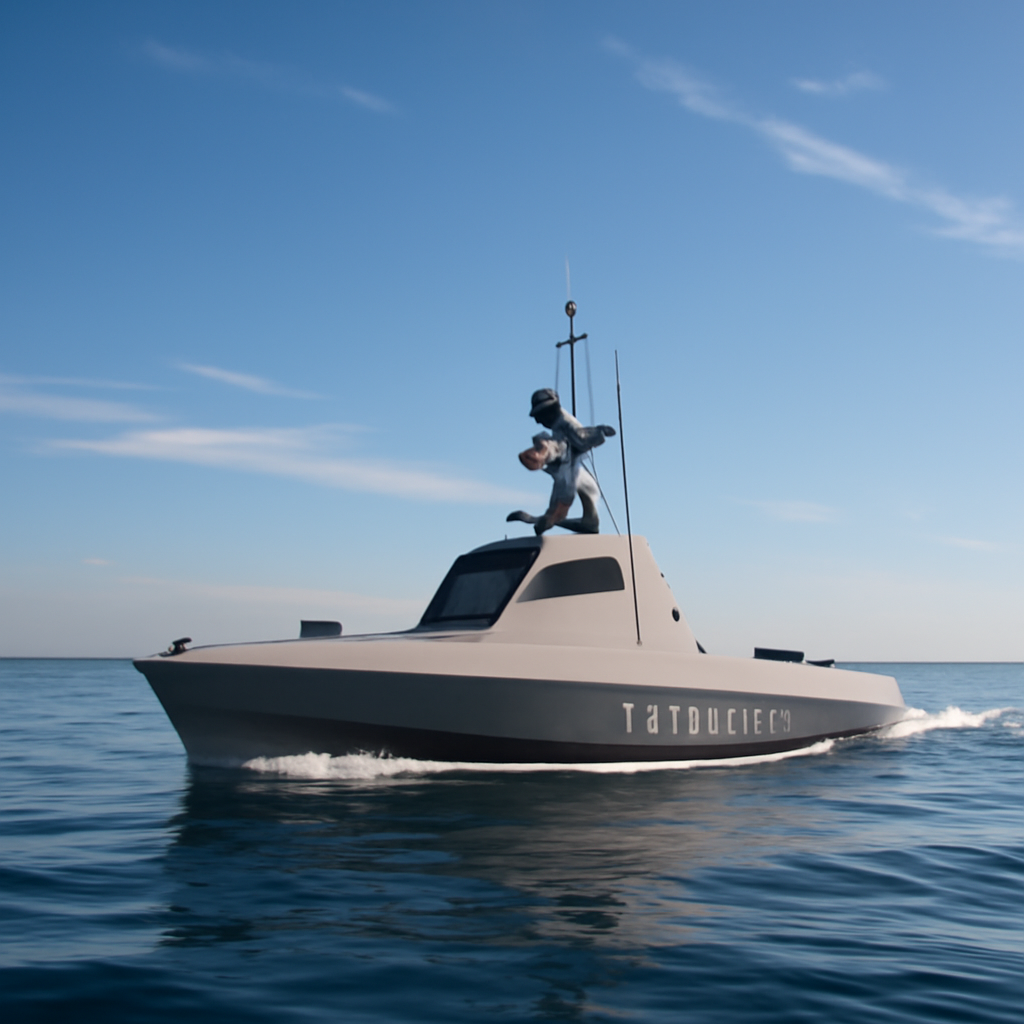
The Navy’s push to employ uncrewed surface vessels (USVs) for intelligence, surveillance, and reconnaissance (ISR) stems from a clear operational goal: detect, track and interdict potential threats quickly and at standoff distances. The effort is framed around building a persistent maritime awareness infrastructure that can “sense, track and share information with other forces and allies at the speed of relevance,” according to the source material. That capability is depicted as particularly critical in the INDOPACOM area of responsibility (AOR), where gray‑zone maritime activity, chokepoints, harbor approaches and long logistics routes complicate maintaining continuous local coverage.
The sensing gap: why satellites and P8s fall short
Experts in the article highlight a common shortfall: broad coverage does not equal local persistence. “Each one of those has a very narrow aperture,” said Jack Zaientz, Vice President of C4I and Autonomy, Lyntris, describing airborne and space assets such as satellites and P8s. The Air Force, Army and Navy may be able to maintain broad awareness, but the account explains that neither satellites nor aircraft on the move can reliably provide persistent, small‑scale coverage required for logistics, prepositioning or fine‑grained naval operations. USVs — especially smaller, agile ones carrying ISR and communications payloads — are presented as the means to shrink a “giant blue ocean” into manageable areas of interest by loitering for extended periods (the article cites endurance of “190‑hours plus”).

This site is the portfolio.
OSINTSights runs on Cloudflare Workers, D1, R2, and Vectorize, with an AI pipeline on Hetzner ARM. Nubivance designed, built, and operates it. We do the same for clients.
See what we buildTreating USVs as a network, not individual boats
The central conceptual shift urged in the reporting is operational: stop thinking of boats as individual task assets and treat a deployed set of USVs as a single networked unit. Zaientz urges a command posture that defines and maintains a persistent network: “We are going to place a network here. Once you think about it from that command posture, you then start asking the resource question of how do I feed in new small USVs? How do I pull out? How do I manage that network?” From this standpoint, mission planning becomes about feeding and managing a living sensor network — where autonomy coordinates routine tasks, operators set coverage objectives and vessels operate within approved mission parameters when communications degrade.
Operational risks: sustainment, capture, and data distribution
The piece lays out clear operational constraints and tradeoffs. Crewed ships and aircraft contend with fuel and resupply needs; submarines must surface and replenish. USVs can relieve some pressure but introduce new risks: adversaries could capture and reverse‑engineer units, exposing classified technologies. Zaientz suggests a layered approach to data and platform classification: many units might be “attritable, low classification or unclassified” passive collectors, while a smaller set would carry “exquisite capability” and require stricter controls. The report also emphasizes the need for a sensor network that is “self‑healing and self‑managing” within the hostile territory where it will operate.
What this means for the Navy, the Army, and companies
- Navy: Will need to think in terms of networked command postures that own and sustain a distributed USV sensing architecture rather than single sailing task assets, including decisions about where to place attritable versus exquisite units.
- Army: As an operator with logistics and prepositioning needs, the Army benefits from the small‑scale, persistent local coverage USVs promise; that coverage supports logistics and movement in littoral zones where fine‑grained, continuous sensing matters.
- Companies (including Lyntris): Face a requirement to bake interoperability into platforms early. The article presses industry to lift the integration burden from servicemembers, implement modular open systems architecture, and adopt vendor‑neutral standards and APIs so new capabilities plug into broader maritime command‑and‑control ecosystems.
The report notes ongoing efforts to standardize interoperability: open standards, modular reference architectures and a government autonomy reference architecture that originated in the Air Force and is gaining visibility across services. Zaientz argues a consortium‑based model and shared mission threads can reduce vendor lock and speed integration across platforms.
By design and doctrine, the USV story in this account is not about replacing existing platforms but extending sensing reach and endurance. The central operational challenge the article leaves in sharp relief is not the technology alone but the command, classification and sustainment choices that will determine whether a distributed USV network is resilient or fragile in a contested maritime theater. Will the Navy and its joint partners choose to deploy many low‑classification, attritable collectors and a few tightly controlled exquisite nodes, and can industry deliver plug‑and‑play architectures that preserve capability while limiting technical exposure? Those decisions, the reporting suggests, will determine whether USVs merely augment maritime awareness or become the backbone of persistent, local coverage in the INDOPACOM AOR.