If a simulated nuclear reply is meant to reassure a nation of its strength, whose nerves is it really settling — the sender’s or everyone else’s?
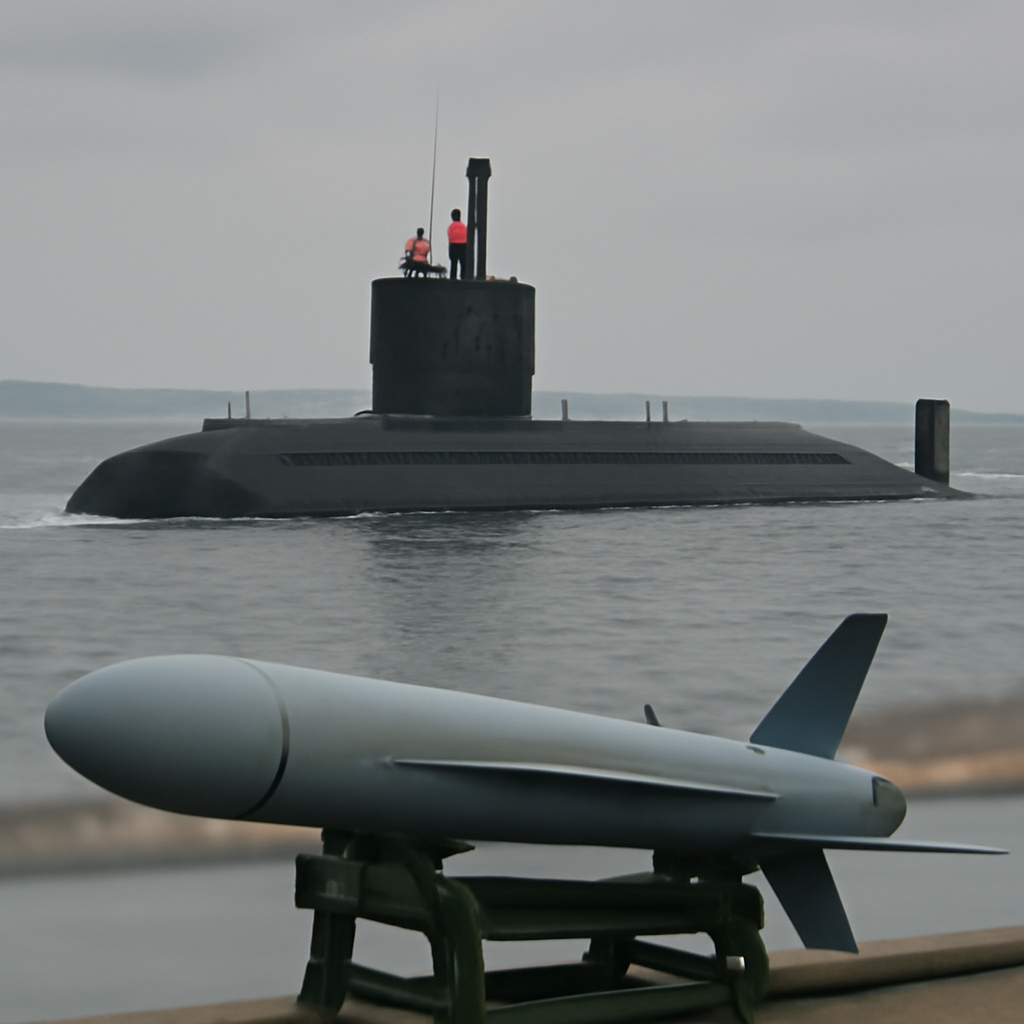
On Wednesday, Russia held a large-scale strategic exercise that the Kremlin described as a test of its nuclear forces’ readiness, overseen by President Vladimir Putin in his capacity as commander in chief. Russian state outlets and the Kremlin statement said the drills involved launches of multiple long-range systems, including intercontinental and cruise missiles capable of carrying nuclear warheads. Officials framed the manoeuvre as routine training; external observers saw it as a signal that blends deterrence, readiness and political posture.
The drill, reported by Defence Blog and announced by the Kremlin, fits into a pattern of high-profile Russian exercises that combine operational testing with strategic messaging. Russia’s strategic forces — the missile units, long-range aviation and submarine components that comprise its nuclear triad — have been modernized substantially over the past decade, a program Moscow has characterized as necessary to preserve credible second-strike capability.
In technical terms, exercises of this kind typically exercise multiple layers of the nuclear enterprise: the missiles themselves (intercontinental ballistic missiles and long-range cruise missiles), the command-and-control systems that authorize and transmit launch orders, and the logistics and replenishment chains that keep forces at sustained readiness. They also provide live data on weapon reliability, targeting systems, and the integration of conventional and nuclear-capable platforms.
To those who study strategic stability, several features make such drills noteworthy.
/ They are tactical tests of hardware and software: telemetry and tracking data from launches reveal both strengths and limits of deployed systems.
/ They are political signals: timing, scope and publicization communicate resolve and capability to allies, rivals and domestic audiences.
/ They are doctrinal probes: exercises allow a state to rehearse escalation pathways that, in a crisis, may be invoked or threatened.
Why this matters now goes beyond the pyrotechnics. First, there is a persistent erosion of the arms-control architecture that once helped manage nuclear competition. The Intermediate-Range Nuclear Forces Treaty collapsed in 2019; New START, the last remaining bilateral treaty limiting strategic arsenals, was extended in 2021 but faces uncertainty past its current term. With fewer institutional guardrails, large drills can be read as both demonstration and experiment in ways that complicate crisis management.
Second, exercises that explicitly simulate a “response” — the Kremlin’s phrasing used in public reporting — force NATO capitals and other actors to reassess early-warning assumptions and escalation dynamics. Even routine launches generate satellite and radar attention; layered alerts across services and nations can increase the chance of misperception in a fraught security environment.
Third, for Moscow the signal is also domestic. Public displays of strategic capability serve to reassure a population and elite constituencies that Russia remains a great power on its own terms. At the same time, the Kremlin knows such demonstrations will catch the eye of foreign intelligence services, producing the dual effect of deterrence and provocation.
Different stakeholders read the event through different lenses. Technologists and military analysts focus on capability assessments and system performance: were new variants employed, did telemetry indicate improved accuracy or reliability, did the command-and-control networks perform without interruption? Those details shape future procurement and doctrine. Policymakers worry about precedent and risk: how will allies react, does Moscow intend to alter risk thresholds, and what are the implications for diplomacy and restraint?
For adversaries and neighbors, the exercise is a calculus of perception and deterrence. Some will view it as necessary maintenance of a credible shield; others will see it as destabilizing showmanship. The ultimate effect depends on follow-up: repeated, escalatory drills can normalize higher alert levels; transparent communications, hotline usage and reciprocal confidence-building measures can reduce friction.
Western reaction is predictable in outline even if specifics vary by capital: calls for restraint, assessments from intelligence agencies, and renewed attention to contingency planning. Arms-control advocates and many analysts will return to the familiar argument that predictability and restraint — through treaties, verification regimes and military-to-military contacts — reduce the risk that an exercise becomes an accident or a misunderstanding that spirals upward.
There are practical limits to what an exercise alone can achieve. Tests do not equate to wartime performance; simulated readiness cannot perfectly replicate the political, human and technical pressures of a live crisis. Yet the geopolitical signal is unmistakable: strategic capabilities remain central to Russia’s security posture and to how it seeks to shape interactions with the West.
What should observers watch next? Transparency measures and diplomatic engagement take on added importance. Tracking whether Moscow publicizes further details, opens avenues for third-party monitoring, or couples exercises with diplomatic outreach will inform whether the drill is primarily deterrent theater or part of a longer-term posture shift.
In the end, drills like this revive an old, uncomfortable question: how do nuclear-armed states reassure their publics and deter adversaries without inflaming the very tensions they claim to manage? The answer matters for stability as much as for sensation — and for that, the rest of the world will be watching how words and actions follow this week’s launches.
Source: https://defence-blog.com/russia-simulates-response-in-nuclear-drill/