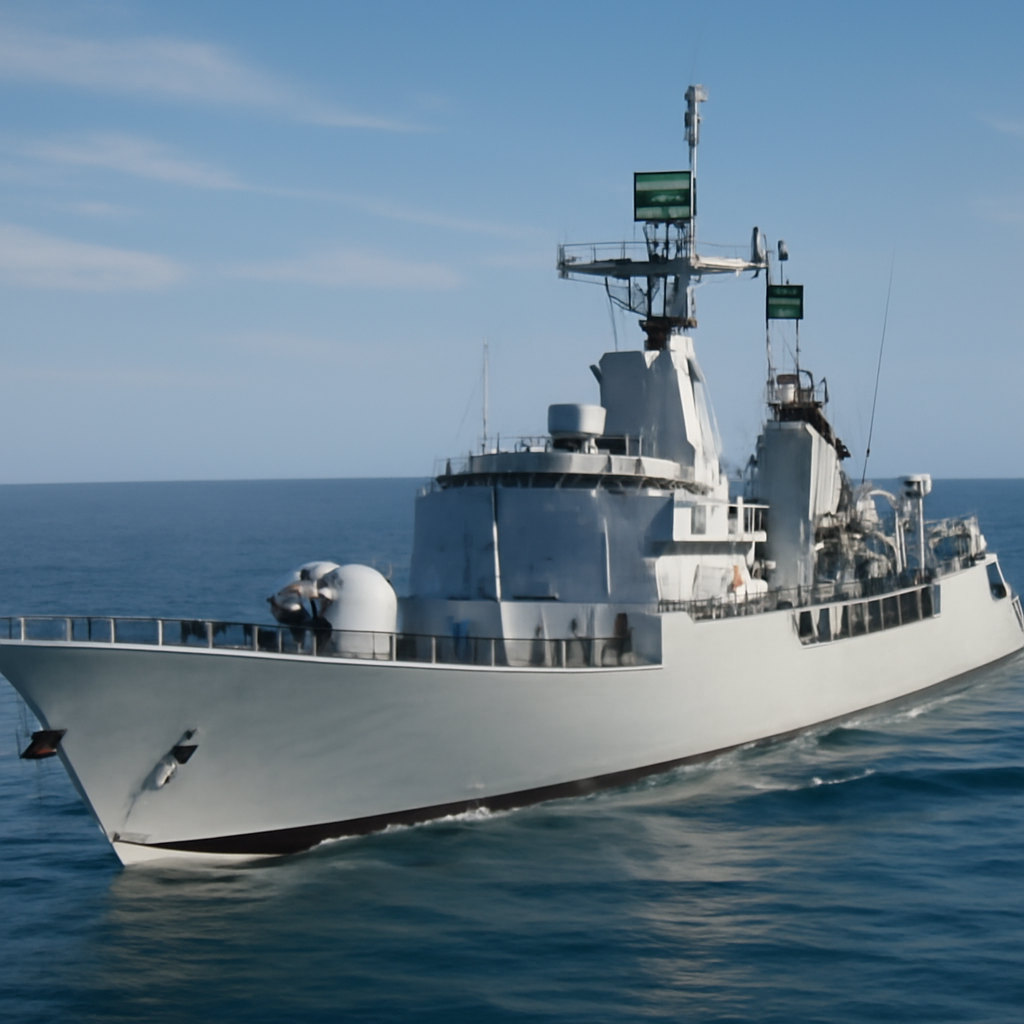
The Navy plans to order the first Trump‑class battleship in Fiscal Year 2028 at an estimated cost of $17 billion for the lead ship, and the service projects $43.5 billion for the program across the next five years.
Design discipline: "80% or more design" before the first weld
Chief of Naval Operations Adm. Daryl Caudle and Secretary of the Navy John Phelan repeatedly emphasized that the program will not repeat past mistakes of beginning construction before the design was mature. Adm. Caudle said the Navy wants the ship “designed” and “we want to make sure that we have the right resources applied to the design.” He added the service is aiming for “80% or more design — before the first weld is done.”
The urgency for design discipline is explicit: a lack of a finalized design and repeated changes were cited as major factors in the collapse of the Constellation class frigate program, and the Navy has acknowledged concurrency — starting production without a validated design — produced major problems on other projects such as the USS Gerald R. Ford and Littoral Combat Ships.
Weapons, power, and propulsion: a mixed, energy‑hungry fit
The Trump class — also called BBG(X) and set to name its first ship USS Defiant — is being sized to carry a dense, modern arsenal. Published Navy specifications in the rollout show approximately 35,000 tons displacement, a length between 840 and 880 feet, a beam of 105–115 feet, and a top speed greater than 30 knots.
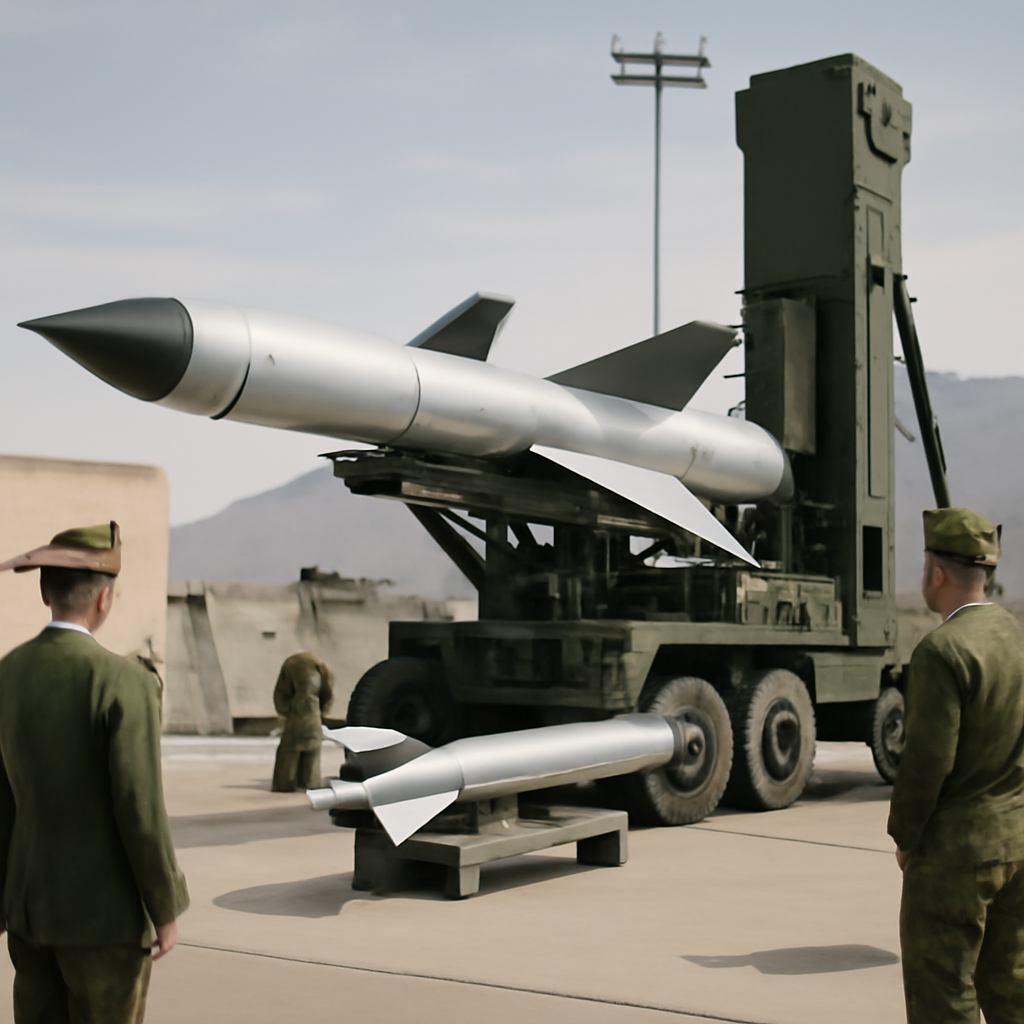
Armament described by the Navy includes a mix of nuclear and conventional missiles, including hypersonic weapons, housed in large vertical launch systems (official material indicates 128 Mk 41 VLS cells). The design also anticipates high‑power systems: an electromagnetic railgun, laser directed energy weapons, a pair of 5‑inch naval guns, and additional close‑in defenses. Adm. Caudle stressed that changes to vertical capacity and the electrical plant must be “baked into that design” to support future large‑scale directed‑energy and power‑hungry munitions.
The Navy disclosed at least one recent live‑fire test of a prototype electromagnetic railgun at White Sands Missile Range earlier this year; the service noted railgun work had been shelved publicly in the early 2020s but that testing has resumed. The Navy also said it is pursuing laser and microwave directed energy weapons, though both remain development challenges.
On propulsion, budget documents show the plan is for a combined conventional propulsion system using diesel generators and gas turbines, while Phelan noted discussions about nuclear propulsion are ongoing but that nuclear power for BBG(X) is “unlikely.”

This site is the portfolio.
OSINTSights runs on Cloudflare Workers, D1, R2, and Vectorize, with an AI pipeline on Hetzner ARM. Nubivance designed, built, and operates it. We do the same for clients.
See what we buildCost, schedule, and procurement: an expensive, small class
The Navy is seeking to buy the first of three Trump class ships in FY2028 and is “talking to two different vendors” about building them. Secretary Phelan described the $17 billion as an “early initial estimate” and said the Navy will “see where we really settle down” as costs are refined and economies of scale are assessed.
For perspective, the Navy’s published estimate places each of the next three Ford class aircraft carriers in the roughly $13–$15 billion range; the Navy is clear that BBG(X) will be a very costly program on a per‑hull basis. The service also flagged industrial‑base and affordability concerns as it weighs the large size and price of the ships alongside other shipbuilding priorities.
Officials expressed a desire to “really get moving” and to “lay the keel in [20]28,” but they tied any start of construction to the maturity of the design and to yard capacity.
Industrial approach: digital engineering, modular builds, and distributed construction
The Navy’s FY2027 budget request describes a “digital‑first, modular approach” intended to reduce cost and schedule risk. The plan emphasizes modern digital engineering, AI‑enabled design, precision modular construction, and “tight integration between design and production teams,” and draws explicitly on perceived best practices from Korean and Japanese shipbuilding.
That approach is meant to allow distributed construction across the U.S. industrial base with shipyards focusing on final assembly and integration, to stabilize the workforce and improve predictability. Secretary Phelan and Adm. Caudle also highlighted modular construction as a way to address U.S. shipbuilding capacity constraints.
What this means for policymakers, weapons developers, and fleet commanders
- Policymakers and procurement leaders: They will face tradeoffs between buying a very small number of high‑capability hulls and broader fleet needs. The Navy notes affordability and industrial‑base limits, and the $17 billion lead‑ship estimate will be revisited as design and vendor discussions proceed.
- Weapons developers and power systems teams: The ship’s effectiveness depends on integrating large VLS capacities, high electrical generation and storage, and maturing directed‑energy and railgun systems — all areas the Navy acknowledges still require work and testing.
- Fleet commanders and operational planners: The Navy envisions the Battleship as “high‑volume, long‑range offensive fires” and a robust command‑and‑control platform able to operate in Surface Action Groups, Carrier Strike Groups, or autonomously. But the service also noted questions about subclass choices and operational flexibility that shaped DDG(X) deliberations, underscoring the need to define employment concepts before finalizing design.
As the Navy moves toward a planned FY2028 order, leadership has made clear their principal guardrail: do not build before the design is largely settled. At the same time, the program rests on high‑risk, high‑reward technologies and a budget profile that will be re‑examined as design maturity, vendor assessments, and yard capacity become clearer. The decision point for proceeding to construction — and the number of ships ultimately acquired — still looks likely to be shaped by those technical choices and by future budget and political calculations; the service itself noted the decision about proceeding could fall to a new administration.