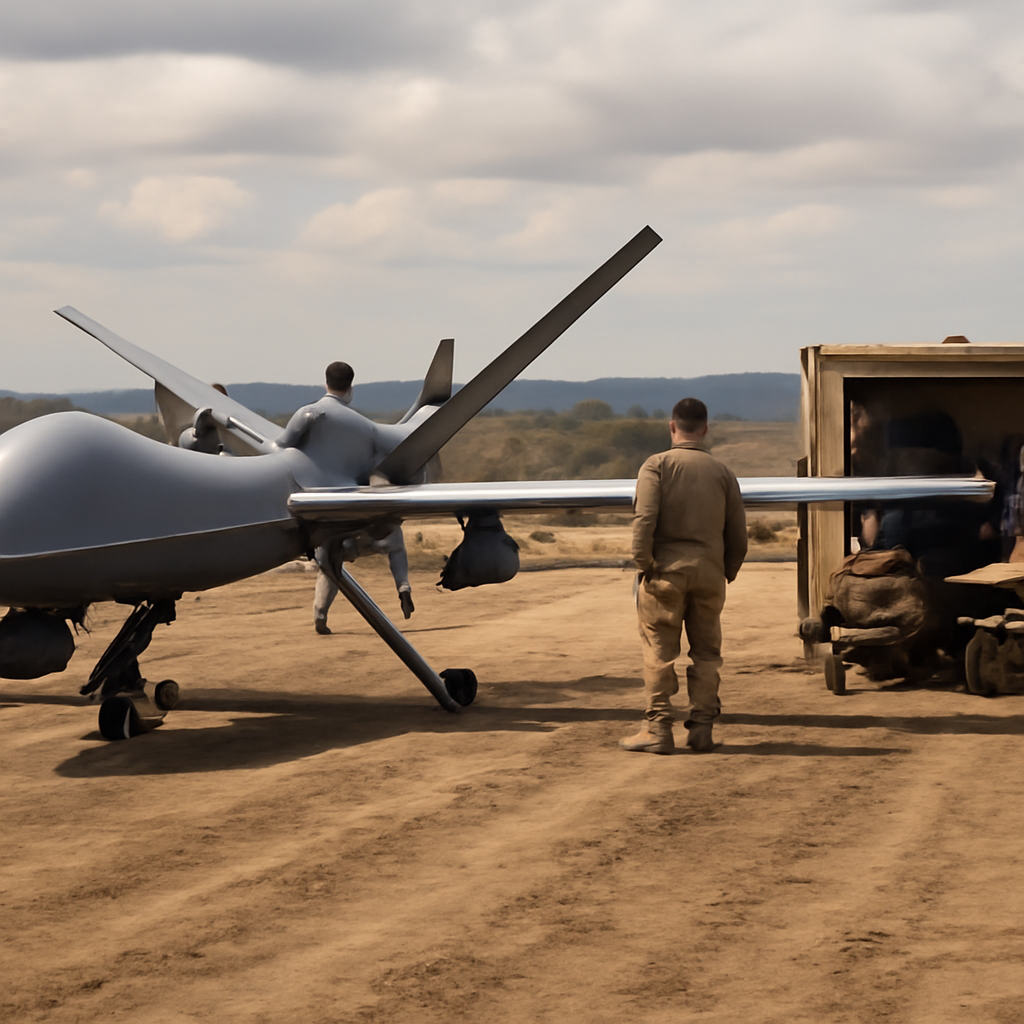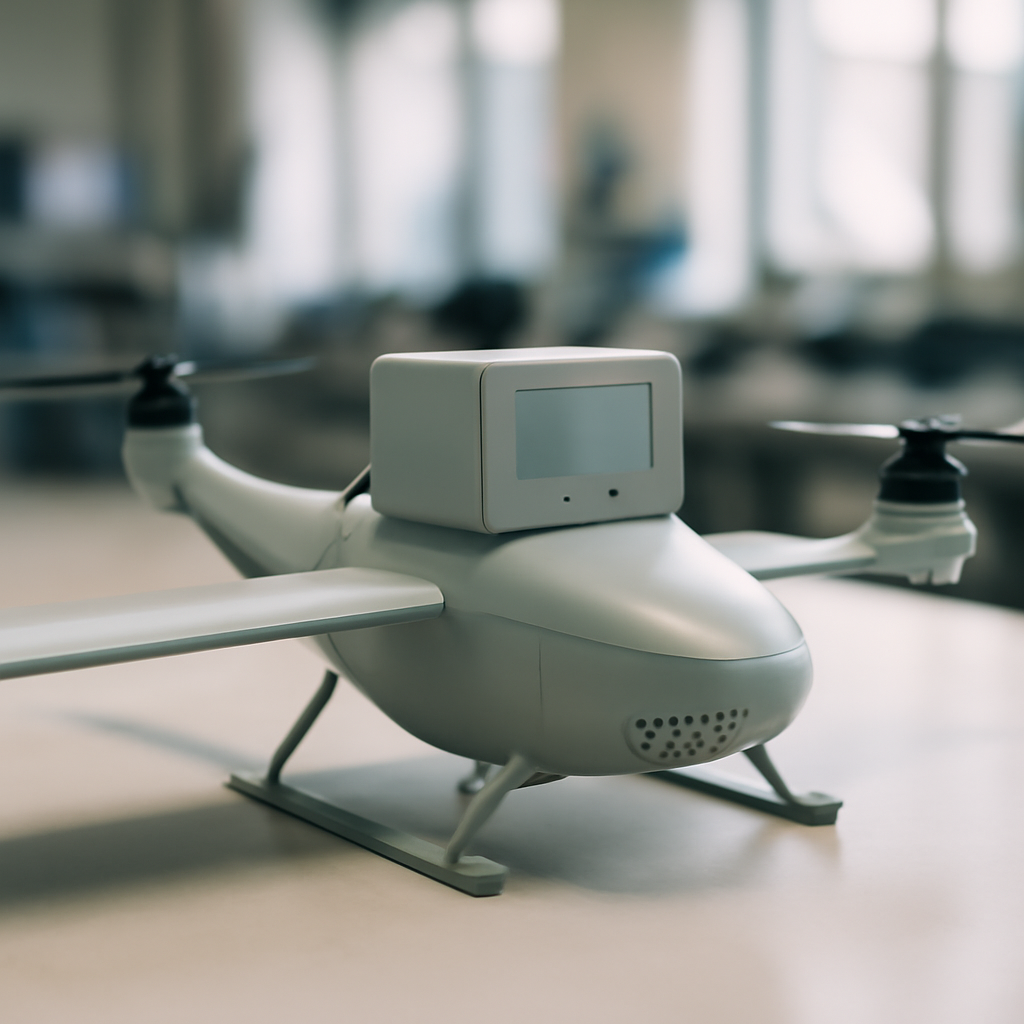
"Fuel cell technology is allowing smaller drones to fill these roles while maintaining maneuverability and a smaller radar signature," Breaking Defense reports.
Fuel cell technology as the enabler
Power limitations have long shaped the design choices for unmanned aircraft on the modern battlefield: when a mission requires extended loitering or covering long distances, designers traditionally pushed to larger airframes to carry more fuel or heavier powerplants. The Breaking Defense Game Changer notes a clear shift: fuel cell technology is changing that balance. By providing sustained power in a compact package, fuel cells let smaller platforms shoulder missions that until now required larger drones.
Group 2 drones stepping into new roles
The piece frames this development specifically around Group 2 drones — the category that sits between hand-launched micro systems and the larger, long-endurance platforms. Where Group 2 vehicles were once limited by onboard power for extended time on station or long transits, fuel cells are unlocking “new roles” for them. In practical terms, that means tasks that need loitering or distance can be performed by relatively smaller, more agile systems.

The cyber insurance questionnaire just landed. Now what?
SOC 2, HIPAA, insurance renewals - someone has to own security strategy. Nubivance provides fractional CISO leadership without the full-time salary.
Get a security leadManeuverability and a smaller radar signature
Two operational advantages are emphasized. First, smaller platforms retain greater maneuverability compared with the larger airframes historically used for endurance missions. Second, the reduced physical size translates into a smaller radar signature. The combined effect — endurance from fuel cells with the handling and detectability benefits of a smaller platform — is the central argument of the report: Group 2 drones are becoming “right-sized” for a class of missions that previously forced trade-offs in speed, signature, or range.
What this means for technologists, procurement leaders, and end users
- Technologists and security teams will be watching integration challenges: fuel cells must be coupled with sensors, communications, and control systems in a way that preserves maneuverability and signature advantages while reliably delivering endurance.
- Procurement leaders and field commanders may reconsider platform mixes: the ability of Group 2 drones to loiter or cover longer distances could shift which platforms are purchased or deployed for particular missions that previously required larger drones.
- End users on the battlefield stand to gain flexibility: missions that demand both persistence and agility could be executed by smaller systems with lower detectability, according to the Game Changer assessment.
A compact, consequential shift
The report’s core insight is compact and consequential: by solving a power constraint with fuel cell technology, designers can preserve the advantages of smaller airframes while adding endurance. That combination changes the calculus around which platform sizes are appropriate for loitering and long-distance tasks. Breaking Defense packages that insight as a Game Changer and notes the material is available without registration.
The account is focused and specific in its claim; it leaves the operational details — speed of adoption, logistics for fuel cell maintenance, or exact mission sets — to be determined by practitioners. For now, the clear takeaway is that fuel cells are opening new roles for Group 2 drones by marrying endurance to maneuverability and a reduced radar signature.
Read the original Breaking Defense piece: https://breakingdefense.com/2026/08/the-reasons-why-group-2-drones-are-right-sized-for-the-fight/