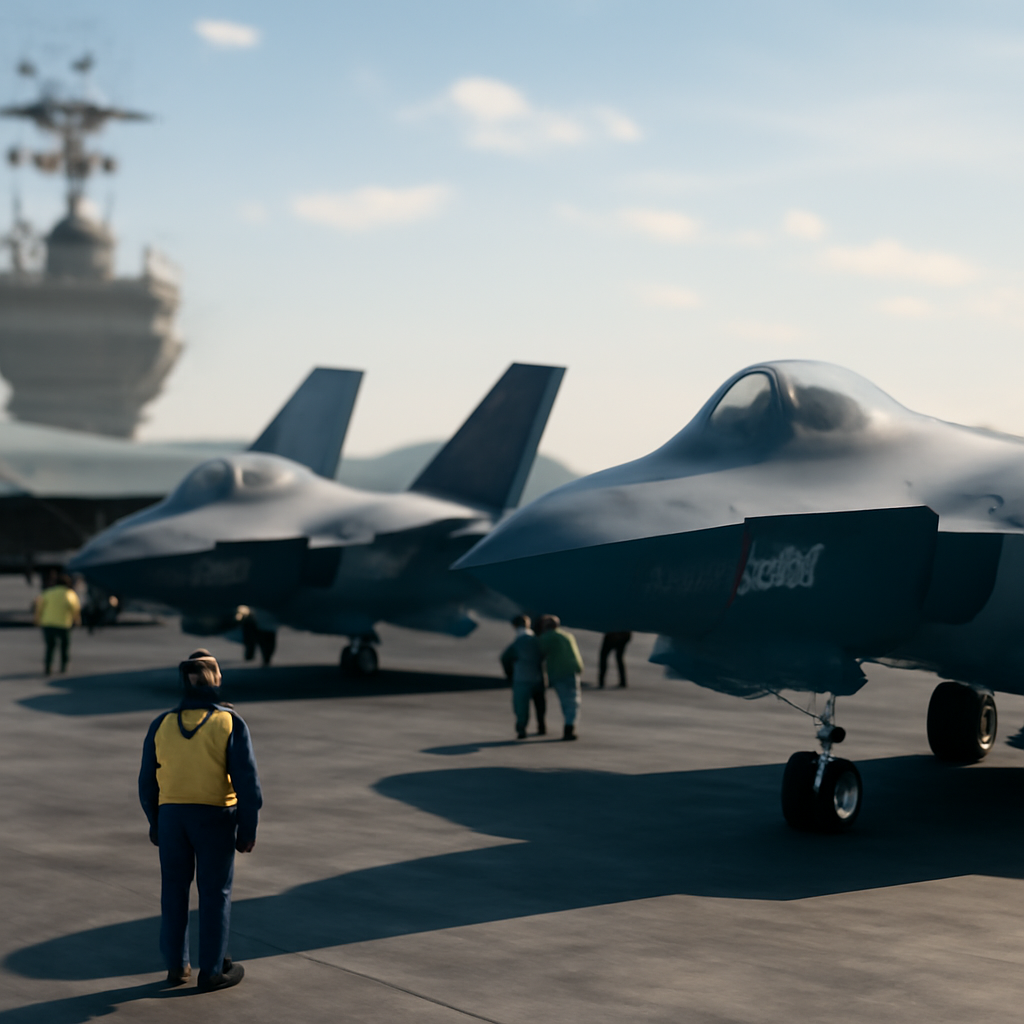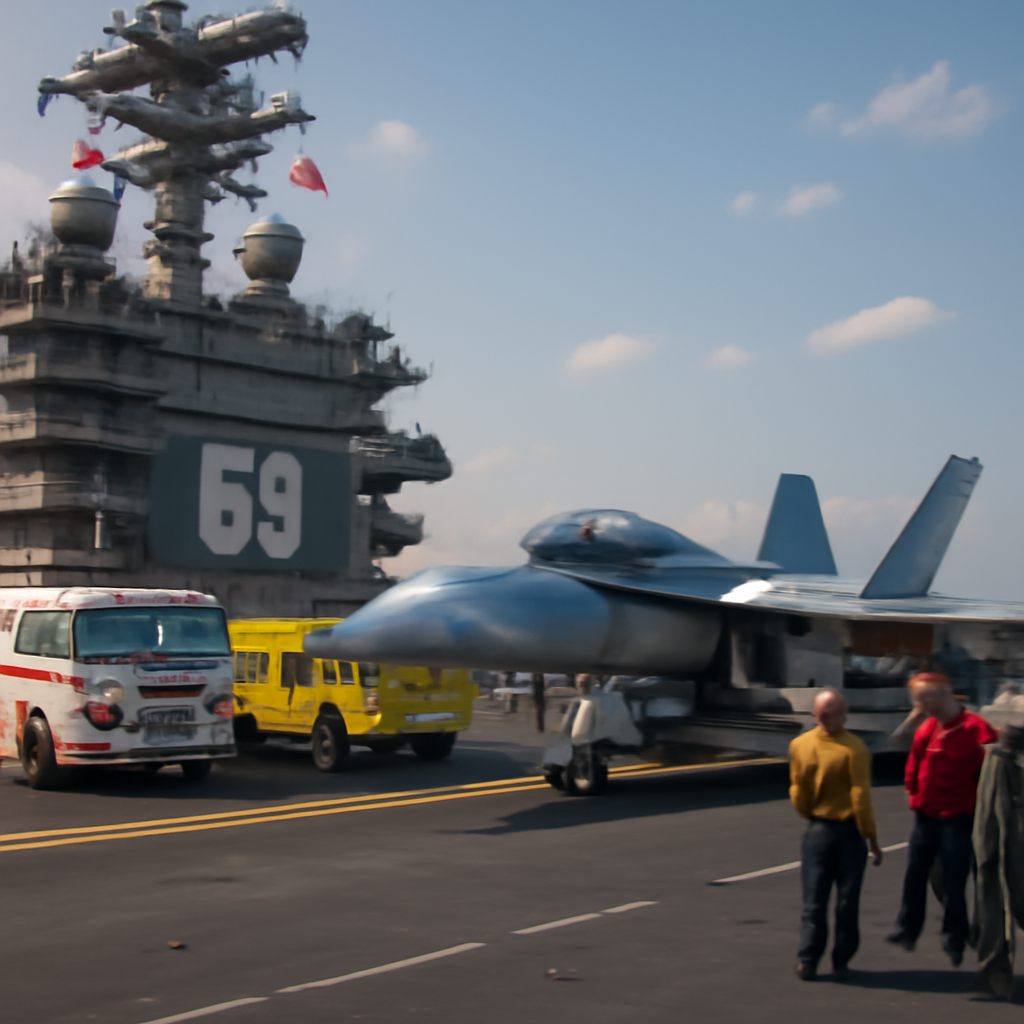
About 6:18 p.m. Eastern Daylight Time Monday, off the coast of Virginia, the crew of an EA-18G Growler electronic‑warfare jet were forced to eject after the aircraft experienced an arresting gear failure while attempting to land aboard the aircraft carrier USS Dwight D. Eisenhower.
The mishap: timeline and immediate outcome
The Navy reported the event occurred Monday evening as Eisenhower operated off the Virginia coast. The Growler crew ejected and "were promptly recovered by search-and-rescue personnel assigned to Helicopter Sea Combat Squadron (HSC) 7," the service said. Both aviators were returned safely to the ship.
In total, eight sailors were evaluated by the ship’s medical personnel following the incident. Two aviators and two additional sailors were flown to Naval Medical Center Portsmouth for follow-on evaluation. Another sailor was transported to a Norfolk‑area hospital for treatment of non‑life‑threatening injuries.
Aircraft and squadron involved: EA‑18G Growler and VAQ-130 "Zappers"
The Navy identified the aircraft as an EA‑18G Growler and said the aircrew were attached to Electronic Attack Squadron (VAQ) 130, known as the "Zappers." The Growler is described in the Navy account as the type at the center of the mishap; the service has not yet released further technical details about the specific airframe or its fate.

The cyber insurance questionnaire just landed. Now what?
SOC 2, HIPAA, insurance renewals - someone has to own security strategy. Nubivance provides fractional CISO leadership without the full-time salary.
Get a security leadSearch-and-rescue and medical response: HSC‑7, Naval Medical Center Portsmouth, and Sentara Norfolk
Search-and-rescue forces assigned to Helicopter Sea Combat Squadron (HSC) 7 recovered the ejected aviators and returned them to Eisenhower. The Navy also arranged flights ashore for injured personnel: two aviators and two sailors to Naval Medical Center Portsmouth, and one additional sailor to a Norfolk‑area hospital.
Air traffic control audio posted publicly and tracking records identified the helicopter involved in the hospital transfer as DSTY613 (MH‑60S), which brought the injured sailor to Sentara Norfolk General Hospital, according to the audio and tracking cited in social media posts embedded in the Navy report.
Arresting gear failure: the immediate hazards described
The Navy said the mishap resulted from an arresting gear failure while the Growler attempted to land. The report reiterated a stark description of the risk such failures pose on a carrier flight deck: when an arresting wire breaks it can turn into a "falling steel whip" that slices across the deck and can inflict catastrophic injuries; aircraft that lose the wire typically lack the airspeed or time to become airborne again and often end up in the sea.
The service has opened an investigation into the cause of the mishap; at the time of the report it was unclear whether the aircraft was lost or whether there was damage to USS Dwight D. Eisenhower.
What this means for the carrier's crew, search‑and‑rescue units, and medical facilities
- For the carrier crew: Eisenhower’s medical teams evaluated eight personnel on scene and coordinated immediate evacuations to shore‑side medical facilities, underscoring the shipboard medical and operational procedures that activate during flight‑deck mishaps.
- For search‑and‑rescue units: HSC‑7 executed prompt recovery of the ejected aviators and provided medevac lift to regional hospitals, demonstrating the integration of carrier aviation and helicopter rescue assets during deck emergencies.
- For local medical facilities: Naval Medical Center Portsmouth received four personnel for follow‑on evaluation while Sentara Norfolk General Hospital received at least one injured sailor via MH‑60S transfer, a reminder of the role regional military and civilian hospitals play in carrier incident response.
The incident occurred while USS Dwight D. Eisenhower was conducting pre‑deployment training. The carrier was reported to be working up for a future deployment scheduled for 2027, following a 16‑month Planned Incremental Availability that concluded in April and a period pierside at Naval Station Norfolk since Sept. 2. Ship spotters reported Eisenhower got underway again on the afternoon of Sept. 28 for a Tailored Ship’s Training Availability and Final Evaluation Problem — a step tied to onloading ammunition and the Composite Unit Training Exercise later in the pre‑deployment sequence.
The Navy has said the cause of the mishap is under investigation and has been contacted for further details. Key unanswered factual points from the service’s account remain whether the EA‑18G airframe was recovered or lost and whether the carrier sustained any damage; investigators’ findings will determine those outcomes and any operational or maintenance changes that follow.