"The ship can sail with one software baseline and fight with a better one." — James Day and Justin Fanelli
From business apps to radar, over‑the‑air updates are moving to the fight
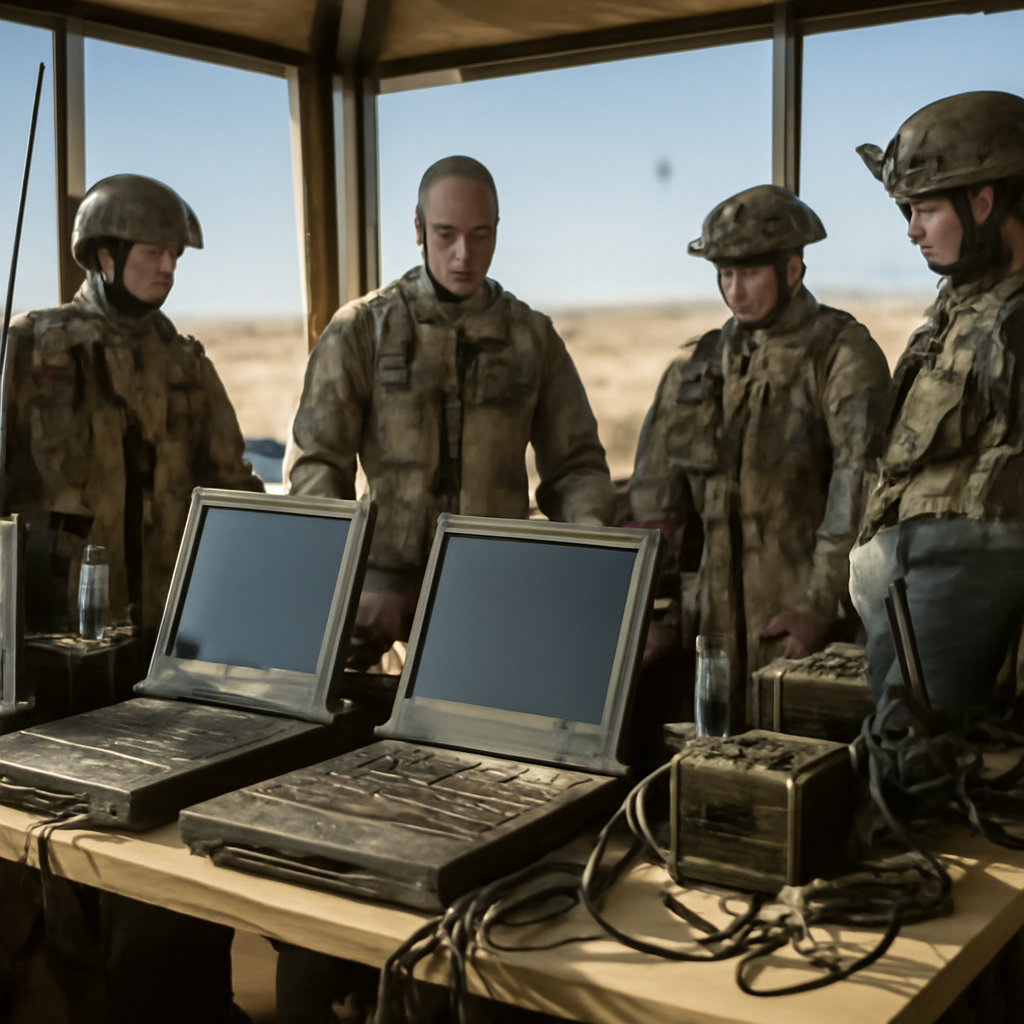
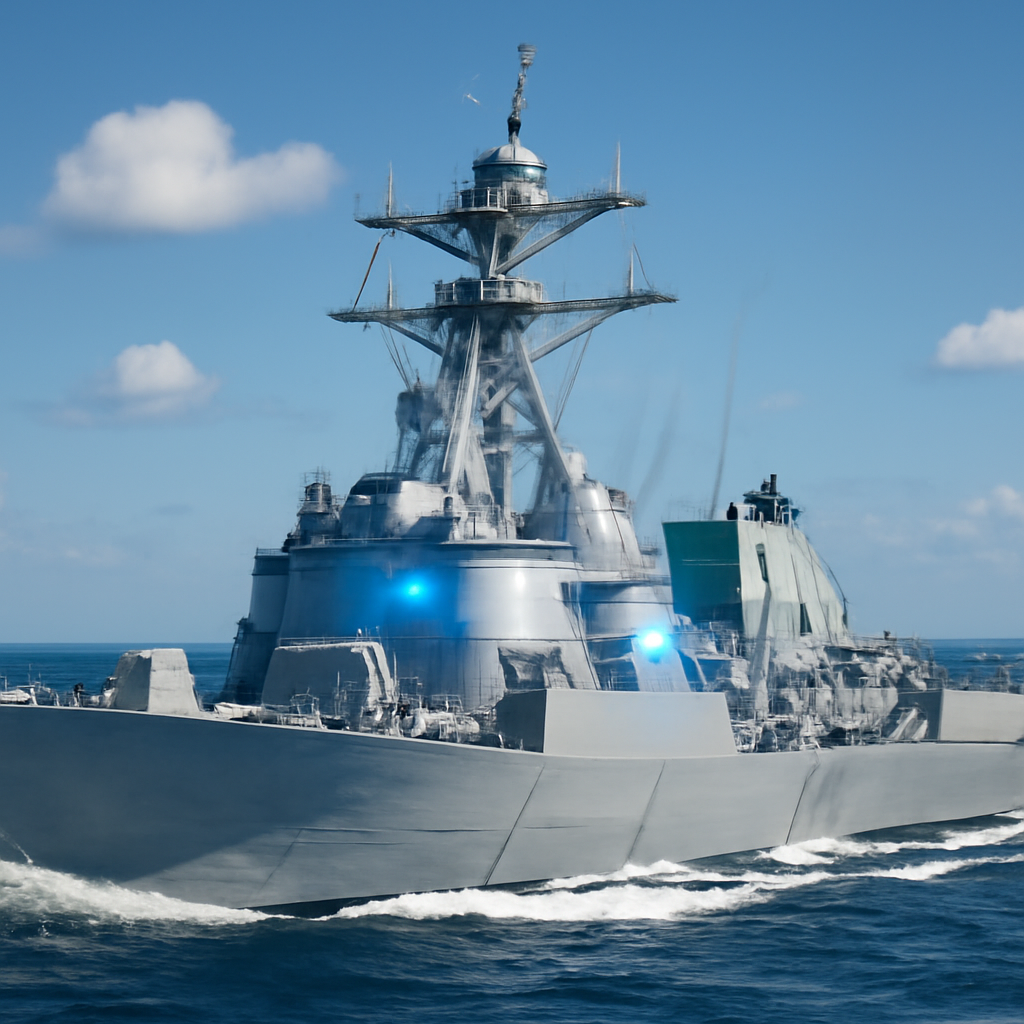
The Department of the Navy reports that over‑the‑air software updates — the kind of overnight refresh many consumers take for granted — have moved from business systems aboard ships to combat systems such as radar, sonar, and weapons. Where updates once waited for scheduled maintenance and multi‑year cycles, the Navy says updates can now reach the Fleet "far faster," allowing a ship to depart with one baseline and employ a newer one in combat.
Adaptable Mission Architecture (AMA): an operational mindset, not just a design
The Navy’s Adaptable Mission Architecture, or AMA, is described as both a technical design philosophy and an operational mindset. AMA links four concrete elements: a common modular open systems approach to computing; common cloud and transport architecture including enterprise services; a software‑defined naval force; and the human talent to integrate them. The architecture emphasizes published interfaces, automated testing, secure delivery pathways, and constant Fleet feedback so components are "replaceable without rebuilding the entire mission thread" — "every component is a tenant not a permanent owner."

Audit-ready is a season. It shouldn't be.
Evidence in spreadsheets, controls drifting between audits, frameworks multiplying on flat headcount. Nubivance runs continuous compliance on Rapid7 Cyber GRC - SOC 2, HIPAA, ISO 27001, PCI, CMMC.
End the scrambleModern Service Delivery (MSD) and the institutional pipeline
Complementing AMA is Modern Service Delivery (MSD), a process‑focused effort to move new capabilities through the Navy in a "streamlined and repeatable" way. MSD applies systems engineering to the delivery pathway itself: reusable services, secure defaults, automated evidence, and clearer exception paths are meant to reduce repeated foundational debates and accelerate mission‑specific work. The Navy has used Demand Signal Forums with industry to jumpstart deeper discussions about requirements and delivery.
Portfolio Acquisition Executive for Mission Systems and the Warfighting Acquisition System
Under the Under Secretary Hegseth’s Warfighting Acquisition System, the Department of the Navy has established a Portfolio Acquisition Executive for Mission Systems to act as a central integrator. The change reframes accountability from stovepiped, component‑level programs to portfolio accountability for operational effect. The Office of the Portfolio Acquisition Executive for Mission Systems and the Department of the Navy Chief Information Office have been assigned to connect resources, integration, testing, and fielding so "the seams" between programs are someone’s responsibility.
How industry, Sailors and Marines, and acquisition leaders are positioned
- Industry: The Navy urges vendors to stop offering closed "monoliths" and instead provide "severable divestments and modular improvements," to publish interfaces, and to "price for portability." Friction in integration and interoperability is labeled a disqualifier.
- Sailors and Marines: The Navy makes adoption a primary measure of innovation — not only what is built but "how quickly it became a trusted part of the fight." The service stresses software fluency as warfighting proficiency and calls for operators who can translate mission problems into usable capability.
- Acquisition leaders: By shifting to portfolio accountability and MSD, acquisition officials are expected to scale repeatable delivery patterns, integrate testing and fielding, and reduce long integration tails associated with legacy stovepipes.
Speed, culture, and the new measure of readiness
The authors argue that modern combat shows why speed matters: "Recent combat from Ukraine to the Red Sea" demonstrates how sensors, communications pathways, algorithms, and tactics can be rendered ineffective in weeks, days or hours. Hardware remains important, they write, but software compresses the time between observation, adaptation, and renewed effectiveness. The Navy explicitly frames rate of change — update speed and adaptation speed — as "a defining measure of readiness."
Implementation, the authors emphasize, depends less on engineering than on organizational change: how decisions are made, how teams work, and how quickly the institution learns. To sustain the technical advances, the Navy pairs architecture (AMA), delivery processes (MSD), institutional realignment (Portfolio Acquisition Executive and the Warfighting Acquisition System), and an emphasis on Sailors and Marines who are "battle ready" with software fluency.
Whether fleet advantage follows will depend on whether the Navy can convert modular architecture, streamlined delivery, and industry cooperation into rapid, safe updates that crews trust under operational conditions. The Department of the Navy has named the mechanisms — AMA, MSD, Demand Signal Forums, Portfolio Acquisition Executive — and set adoption as the metric: first movers get credit; fast adopters get outcomes. The practical test is simple and specific: can the Fleet reliably receive and use updates faster than the threat environment changes?