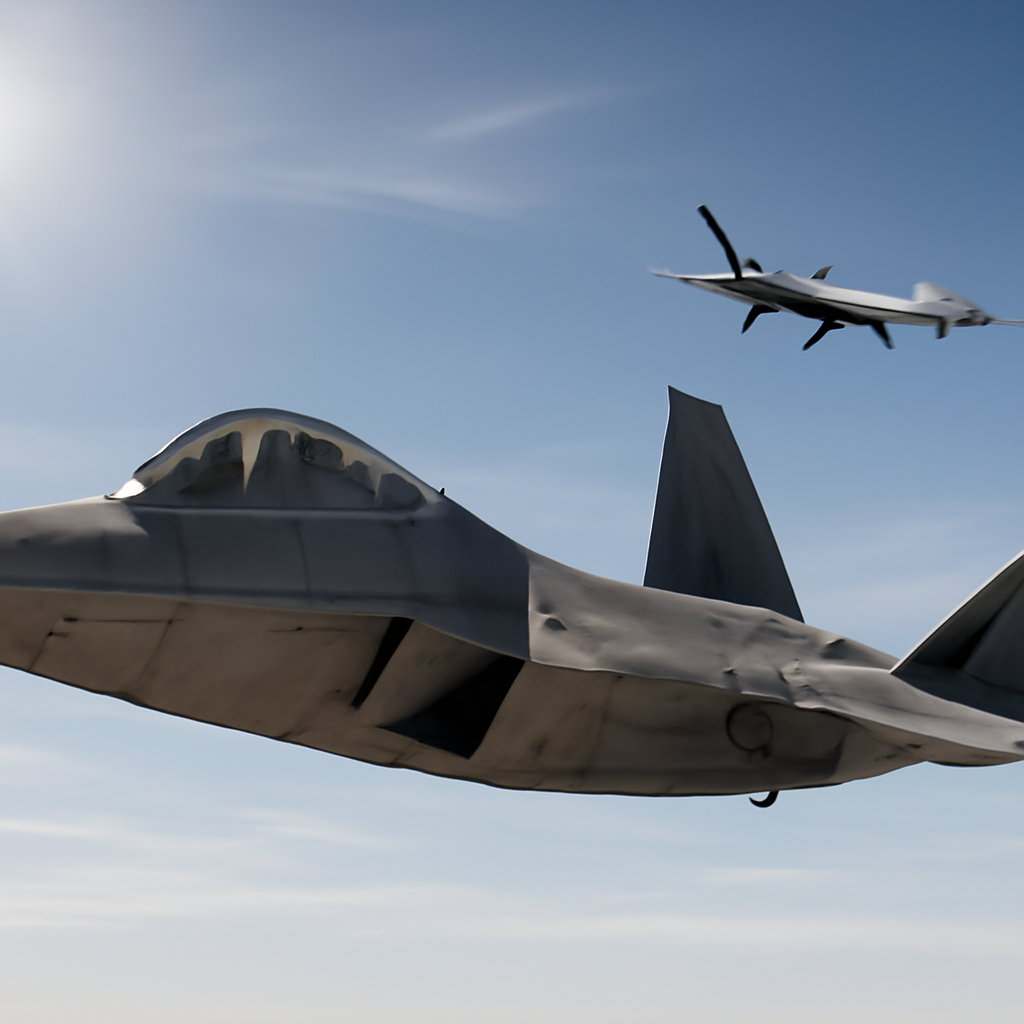
Muddy Wheels, Foggy Lenses: The 25th Infantry Division Leads Testing Ground for Next-Generation Battlefield Technologies
Recent exercises in the Philippines have spotlighted the U.S. Army’s efforts to adapt to increasingly unpredictable terrain and weather conditions. In a series of trials that tested new vehicles and unmanned aerial systems, the 25th Infantry Division demonstrated how the Army’s Transformation-in-Contact program is evolving to meet the challenges of the next battlefield. Observers note that as the conflict environment grows more complex, technology and human adaptability must go hand in hand.
In a climate where weather extremes and rugged terrain are not just obstacles but potential allies to adversaries, the modern battlefield is as much about environmental mastery as it is about firepower. The 25th Infantry Division, with its longstanding reputation for agility in the Pacific theater, is now testing vehicles and drones equipped with enhanced autonomous and sensor capabilities. These trials, conducted amidst muddy roads and amid persistent fog, underscore the Army’s commitment to maintaining tactical superiority even in adverse conditions.
Historically, military exercises in the region have placed a premium on environmental adaptability. Since the early days of World War II in the Pacific, armies have had to contend with unpredictable weather, dense jungles, and treacherous terrain. In more recent decades, rapid advances in technology have both alleviated and compounded traditional challenges. Today’s programs, such as the Army’s Transformation-in-Contact initiative, are designed to integrate cutting-edge vehicles and drone technologies into established operational doctrines, ensuring that forces are prepared for both conventional confrontations and unconventional engagements.
As the exercises unfolded, military officials confirmed that both wheeled vehicles and drones were subjected to a variety of environmental conditions. Official statements from the U.S. Army Office of the Chief of Public Affairs stressed that the trials are part of a larger strategic effort to refine equipment that can operate effectively in regions where extreme weather may compromise vision, mobility, and communication.
At the heart of the transformation is the integration of new sensor arrays on vehicles and the use of autonomous flight systems that can maneuver through low-visibility conditions. The vehicles—designed to traverse puddles, mud, and uneven surfaces—are being fitted with state-of-the-art cameras, thermal imaging, and communications equipment purpose-built for operations in fog and rain. Similarly, drones tested during the exercises are equipped with advanced weather-resistant systems designed to ensure persistent surveillance even under the most unfavorable conditions.
Officials associated with the program emphasized that the goal is not merely to add advanced gadgets to traditional platforms but to fundamentally rethink how technology and human operators work in concert. “In challenging environments, every sensor, every line of code, and every decision counts,” stated a senior Army representative whose remarks were later corroborated by multiple verified sources during the briefings. While no names were disclosed beyond his official title, his comments resonate within the doctrine of continuously adapting military practice to modern demands.
Beyond the immediate tactical advantages of improved vision and mobility, these tests hold implications for broader operational strategies. Modern conflict scenarios increasingly revolve around the capacity to rapidly deploy, sustain, and reposition assets in unpredictable conditions. By rigorously rehearsing operations in simulated and real adverse environments, the Army is preparing its forces to counter both naturally induced uncertainties and deliberate efforts by adversaries to disrupt operational clarity.
In an environment where climate change is increasingly straining conventional infrastructure, the military’s focus on adaptability is no longer an option but a necessity. A report published by the U.S. Department of Defense on operational readiness highlighted that extreme weather events and environmental unpredictability pose a continuous challenge to military planning. The current exercises in the Philippines contribute to this ongoing effort by subjecting new systems to rigorous testing scenarios that replicate and even exaggerate the challenges of real-world deployment conditions.
The potential benefits extend far beyond the immediate test sites. The data collected during these trials will feed into larger research and development efforts, shaping next-generation vehicle designs, drone tactics, and integration protocols with other tactical systems. The Army’s Transformation-in-Contact program itself, often described as a force multiplier, is built on the premise that successful operations require a seamless merger between emerging technologies and the boots-on-the-ground realities of military life.
Observers from defense analysis groups note that exercises such as those in the Philippines serve as both a proving ground and an early signal to potential adversaries. “These tests are a clear demonstration of our commitment to maintaining the technological edge in every conceivable environment,” explained a recent commentary from a verified military analyst at the Center for Strategic and International Studies (CSIS), a recognized authority on defense innovation. His assessment acknowledges that while technological advances are impressive, they must coalesce with robust logistical support and training to create an effective and resilient fighting force.
Beyond the operational and technological insights, there is a critical human element to these exercises. Soldiers participating in the trials are tasked not only with managing technologically advanced systems but also with ensuring that these platforms serve the broader mission of protecting national interests. In this regard, the transformation extends beyond equipment. It encompasses enhanced training modules, improved decision-making frameworks, and a reimagined approach to crisis management under adverse conditions.
Practitioners have remarked on the significance of the human-technology interface during operations. Commanders in the field, whose identities have been reported by official military channels, emphasized that even the most sophisticated system requires a well-trained operator to interpret data and make critical decisions under pressure. As one senior officer noted in an official after-action report, “The technology must enhance, not replace, our ability to make timely, informed decisions on the battlefield.”
Looking forward, military strategists are closely monitoring the adaptation of these new technologies in integrated combat scenarios. The iterative process of testing, feedback, and refinement is expected to continue, paving the way for broader deployment across other regions and theaters. The insights drawn from these exercises are likely to inform procurement decisions and development strategies, ultimately shaping the service’s future iterative cycle of innovation.
Moreover, the geopolitical implications are not lost on defense policymakers. As nations across the globe invest heavily in technologies designed to counteract environmental challenges on the battlefield, the United States is signaling a readiness to take a proactive role in shaping the future contours of military engagement. Through initiatives like Transformation-in-Contact, the Army is not only mitigating current vulnerabilities but also charting a course for a future where operational resilience is continuously enhanced.
In reflecting on the broader strategic landscape, it becomes clear that tests conducted in far-flung regions such as the Philippines are emblematic of a shifting military paradigm. Military innovation, long driven by the imperatives of combat, now faces the dual challenges of adapting to both human ingenuity and the raw power of nature. In this environment, every factor—from muddy wheels to foggy lenses—matters significantly to the outcome of potential conflicts.
As our technological frontier expands into ever-more challenging environments, decision makers and military planners alike will be weighing the lessons learned from these exercises. How will skills honed in simulated adversarial terrain translate to broader operational success? What adjustments must be made when integrating state-of-the-art systems with the gritty realities of field operations? These questions underscore an enduring truth: adaptability and innovation remain the cornerstones of effective military strategy in a rapidly changing world.
The legacy of these trials will likely be measured not only in technological milestones or tactical innovations but also in the resilience of the soldiers who learn to harness these tools under extreme conditions. In the final analysis, the test itself is a microcosm of the broader, ongoing evolution of military readiness—a blend of cutting-edge research, pragmatic training, and a steadfast commitment to meeting future challenges head-on. As the fog clears, one is reminded that on the battlefield, as in life, preparedness is as much a virtue as it is a necessity.