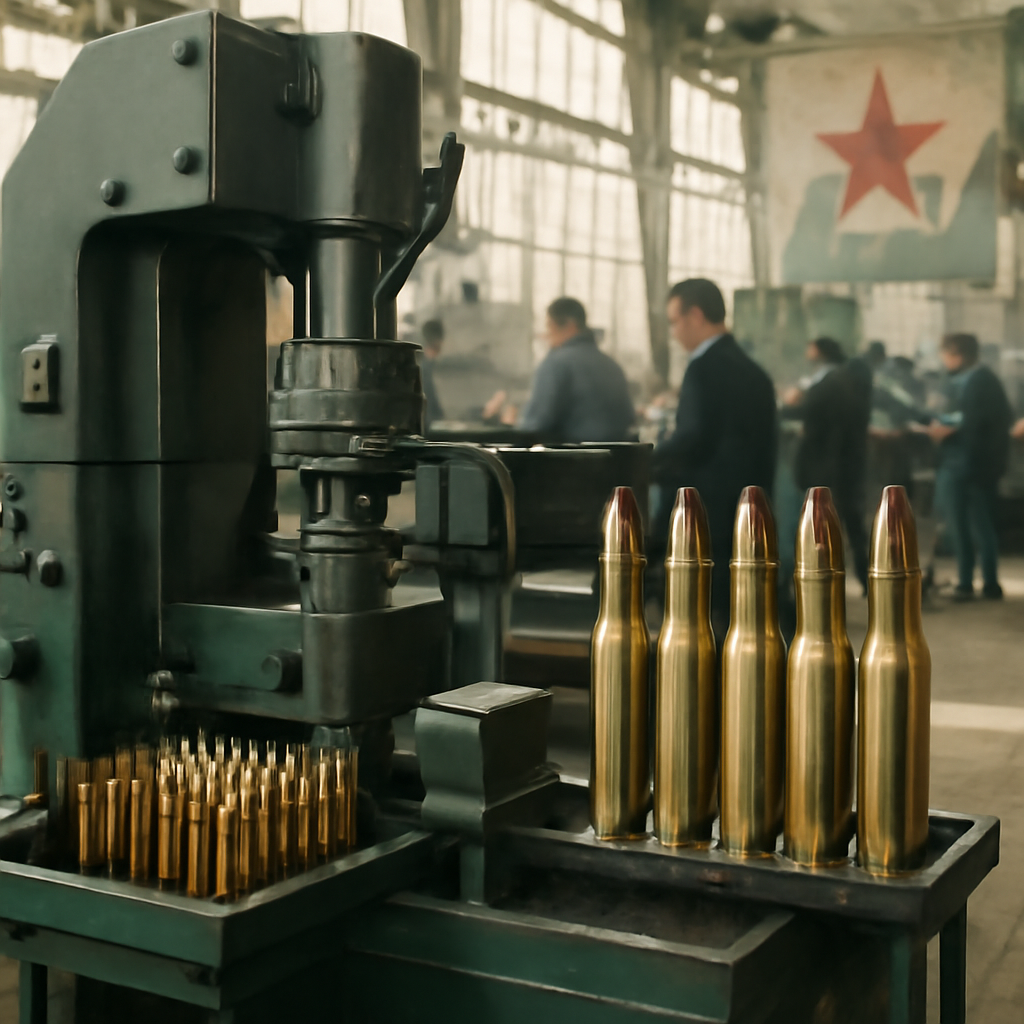
"Mongolia has now produced three types of ammunition," Batlut said in an interview — a blunt, verifiable milestone that signals more than a factory opening: it signals a shift in how Ulaanbaatar approaches defense, industrial policy, and external partnerships.
Turkiye's MKE and Mongolia's new ammunition factory
In 2024 the Mechanical and Chemical Industry Corporation (MKE), a state-owned Turkish defense company, signed a formal contract with Mongolia's Defense Industrial Corporation to establish a local ammunition production line. That effort reached an operational phase in August 2026 when Mongolian officials announced the MKE-built factory had begun production. The facility is MKE's second overseas production line after Jordan and marks Mongolia's first domestic ammunition factory.
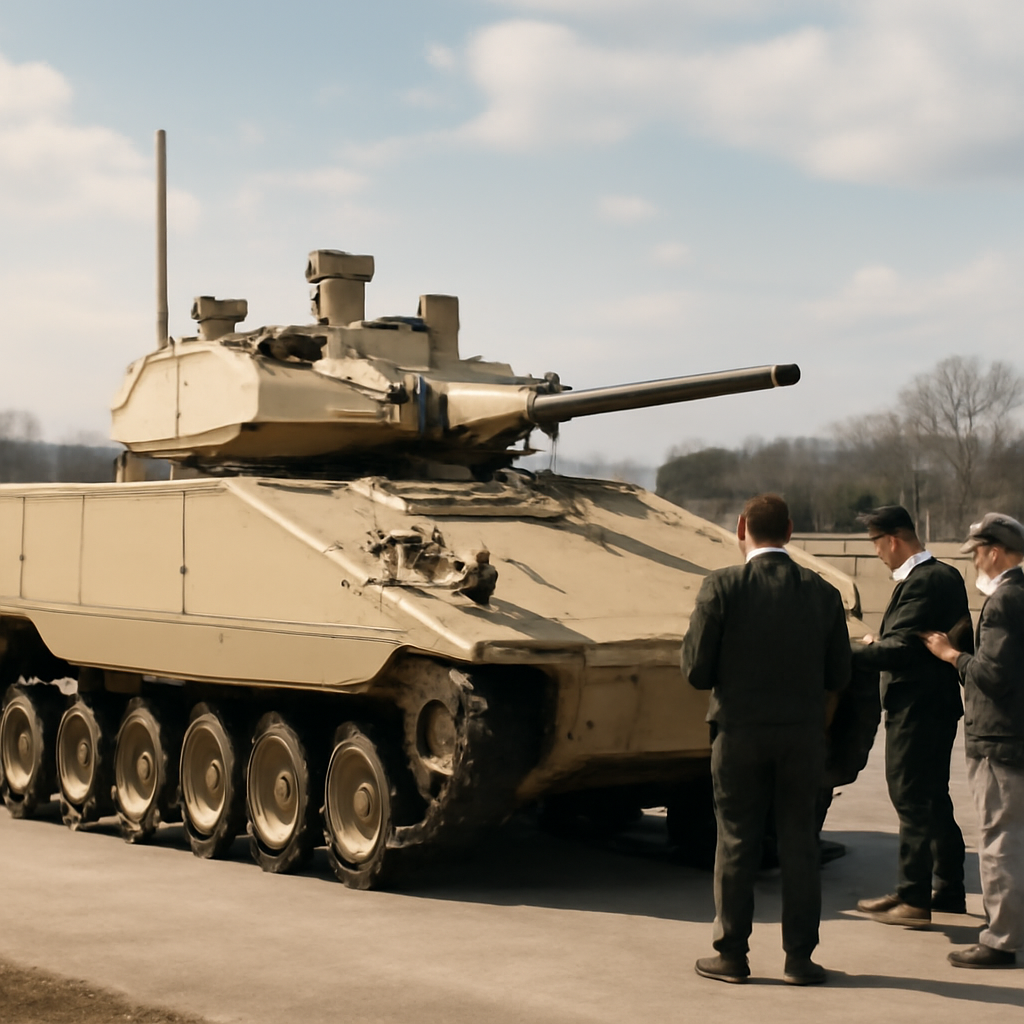
Turkiye's role has been built on years of defense engagement: a strategic partnership between the two countries was established in January 2025 during Mongolian President Khurelsukh Ukhnaa's state visit to Ankara, followed by several high-level Turkish visits. In October 2025, Turkish Minister of National Defense Yasar Guler visited Ulaanbaatar at the invitation of his Mongolian counterpart, Batlut Damba, discussed expanded cooperation in military education and officer exchanges, and took part in the inauguration of the ammunition production line.
Drone ambitions and supply-chain implications
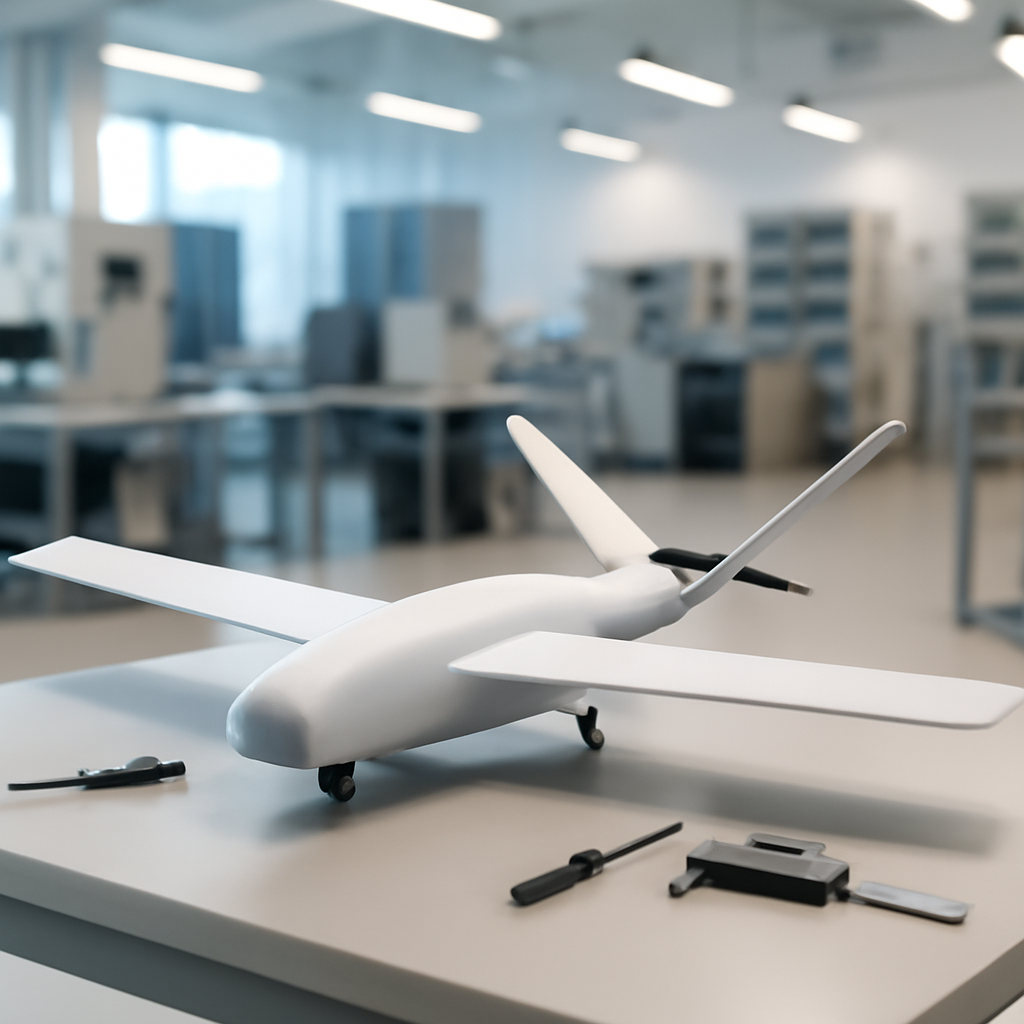
The government has signaled that the ammunition project is only the start: Mongolia is now looking to establish a drone factory. Turkiye — described in the reporting as a partner with a well-established defense industry — is positioned to be pivotal not only for ammunition production but potentially for drone technology and technical assistance. Officials framed the relationship as a route to access training systems and equipment that address modern security issues and to create opportunities for Mongolia's nascent defense industry.

This site is the portfolio.
OSINTSights runs on Cloudflare Workers, D1, R2, and Vectorize, with an AI pipeline on Hetzner ARM. Nubivance designed, built, and operates it. We do the same for clients.
See what we buildExpanded cooperation with "third neighbors": the United States, Japan, and India
Mongolia's defense diversification extends beyond Turkiye. The United States has sponsored the Khaan Quest multinational exercise since 2003 and continues to deepen cooperation in new domains: in July 2026 Mongolia participated in the U.S.-led Cyber Shield training in Little Rock, Arkansas. NATO's Science for Peace and Security (SPS) Program assists Mongolia's cybersecurity center; the report notes that both the U.S. and Turkiye are NATO members.
Japan and Mongolia brought a Transfer of Defense Equipment and Technology Agreement into force in 2025, enabling Tokyo to supply Mongolia with non-lethal equipment such as surveillance and radar systems for border security. India has increased its footprint as well: New Delhi established a defense attaché in Ulaanbaatar in 2025, supports Mongolia's cyber defense systems, participates annually in Khaan Quest, and conducts the Nomadic Elephant bilateral training exercise.
Neighbors Russia and China remain primary defense partners
Despite diversifying ties with third neighbors, Mongolia continues to maintain the deepest defense relationships with its immediate neighbors. Mongolia and Russia conduct the annual Selenge military drills focused on tactical operations and counterterrorism training. With China, Mongolia holds the "Steppe Partners" exercises, centered on counterterrorism, border security, and disaster relief. Mongolia also refrains from joining any formal military alliances or blocs, even as it modernizes its forces and defense industry.
What this means for Mongolia's defense planners, Turkiye's MKE, and cyber partners
- Mongolia's defense planners: The new ammunition line and the stated desire for a drone factory provide concrete steps toward industrial self-reliance and diversification from a mining-dependent economy. Planners will need to integrate manufacturing, training, and logistical planning while balancing multiple bilateral relationships.
- Turkiye and MKE: MKE's second overseas facility — following Jordan — positions the firm to expand technical assistance and training ties in Mongolia; Turkiye's political and financial support (including a long-standing $1 million annual grant to Mongolia’s defense sector dating to 1999) underpins deeper industrial cooperation.
- Cyber and training partners (U.S., NATO SPS, India): Mongolia's participation in Cyber Shield and NATO SPS support of its cybersecurity center indicate that defense cooperation is widening beyond kinetic hardware into networks and resilience — domains that will require sustained international assistance and interoperability efforts.
Global military spending reached $2.9 trillion in 2025, a figure Mongolian leaders cite as context for modernization. For Ulaanbaatar, the MKE factory is both symbol and tool: a tangible step toward producing its own munitions, a gateway to higher-technology collaboration such as drones, and an instrument to spread strategic ties across third neighbors while maintaining core relationships with Russia and China. The unanswered, concrete questions now are operational and industrial: how quickly will the factory scale, what ammunition calibers and supply chains will be sustained domestically, and whether a drone facility will follow the same bilateral model.