"I used to think of going to work as a location, and over the last several years, working is really a function, and so no matter where the recruiter is, they can get work done by just having real time, always-on access," said Dale Butterworth, Senior Solutions Partner at Verizon.
Dale Butterworth on connectivity as a recruiting tool
On the Government Technology Insider podcast, host Matt Langan spoke with Dale Butterworth about a quiet shift in how military recruiting happens. Butterworth framed connectivity not as an accessory but as one of the most valuable tools recruiters carry into the field. He described the evolution from fixed offices toward a model in which "working" is defined by access and capability rather than by a physical location.
Recruiters are meeting prospects at high schools, college career fairs, and community events
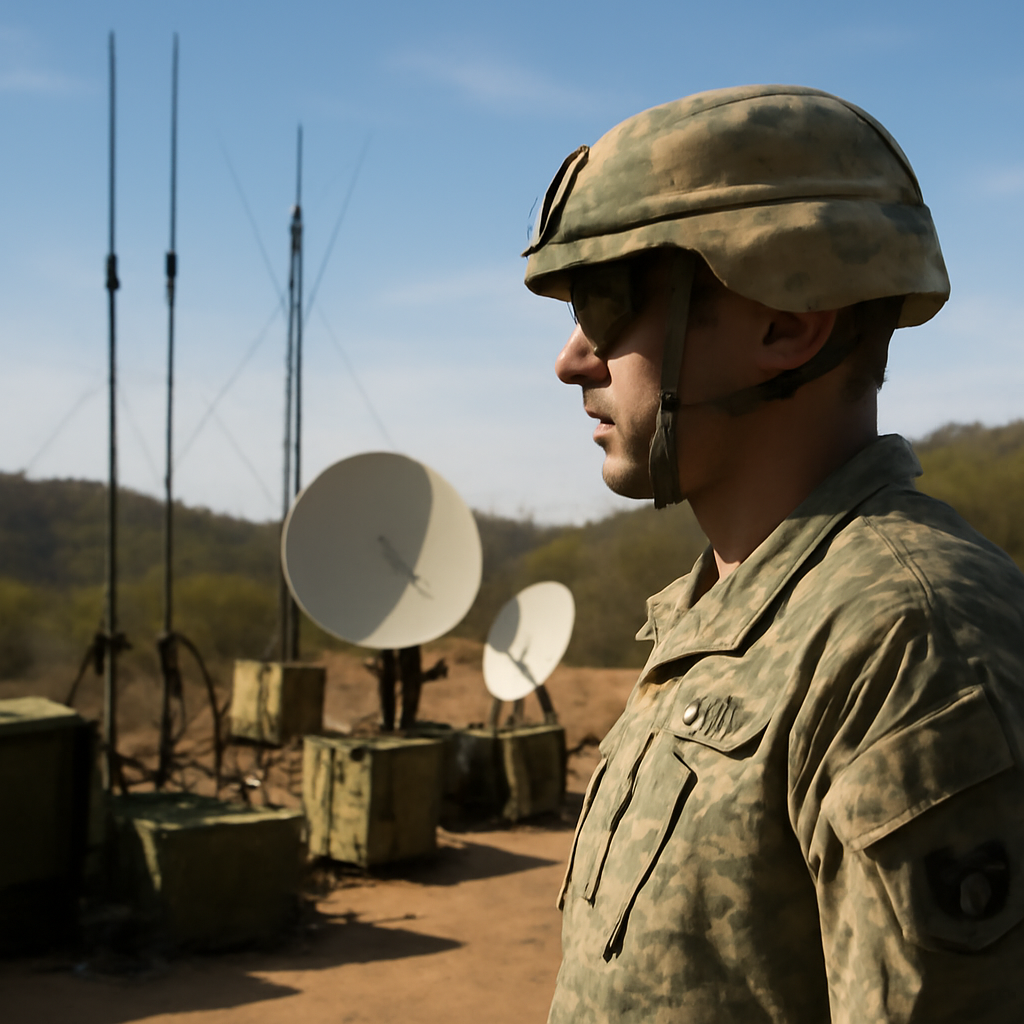
The conversation highlighted a clear operational change: recruiters are spending less time behind a desk and more time engaging potential enlistees where they already are — at high schools, college career fairs, and community events. Recruiting offices remain part of the picture, but Butterworth and the podcast framing treat them as one component of a broader, mobile recruitment strategy rather than the sole locus of activity.

Audit-ready is a season. It shouldn't be.
Evidence in spreadsheets, controls drifting between audits, frameworks multiplying on flat headcount. Nubivance runs continuous compliance on Rapid7 Cyber GRC - SOC 2, HIPAA, ISO 27001, PCI, CMMC.
End the scrambleBeyond simple internet access: on-the-spot validation and facility parity
According to Butterworth, the field demands more than basic connectivity. Recruiters require secure, reliable access to application information and the ability to validate that information on the spot. Equally important, they need to maintain in-field capabilities that match what would ordinarily be available inside a secure facility. Those three requirements — secure access, immediate validation, and capability parity with secure facilities — were presented as the practical necessities shaping mobile recruiting operations.
Immersive demonstrations and emerging technologies
Butterworth also identified immersive demonstrations using emerging technologies as a growing element of the recruiter’s toolkit. Delivering those demonstrations in the field depends on the same underlying connectivity: bandwidth, latency, and a trusted link to backend systems. The implication in the podcast is straightforward — without reliable connectivity, immersive and technology-driven outreach cannot be delivered consistently outside office walls.
What this means for recruiters, technologists, and vendors like Verizon
- Recruiters: They will increasingly rely on real-time, always-on access to complete application processes, validate information in person, and present immersive experiences at outreach events rather than waiting for prospects to visit recruiting offices.
- Technologists and security teams: They must deliver secure and reliable field connections that support on-the-spot validation and preserve the level of capability associated with secure facilities, including protecting application data while mobile.
- Vendors and solutions partners (for example, Verizon): They are positioned to provide the connectivity and integration that enable mobile recruiting — supplying the networks, devices, and services needed to move recruiting work out of the office and into communities.
Mobile recruiting, as described on the Government Technology Insider podcast, reframes the recruiter’s kit: connectivity plus secure access become the critical enabler of outreach, validation, and immersive demonstrations. For those three functions to work outside the office, the field must be treated as a secure, capable extension of the recruiting facility — and that requirement is already directing how recruiters, technologists, and service providers plan and procure their tools.
Listen to the full podcast for more insights: https://governmenttechnologyinsider.com/mobile-military-recruitment-is-meeting-prospects-where-they-are/