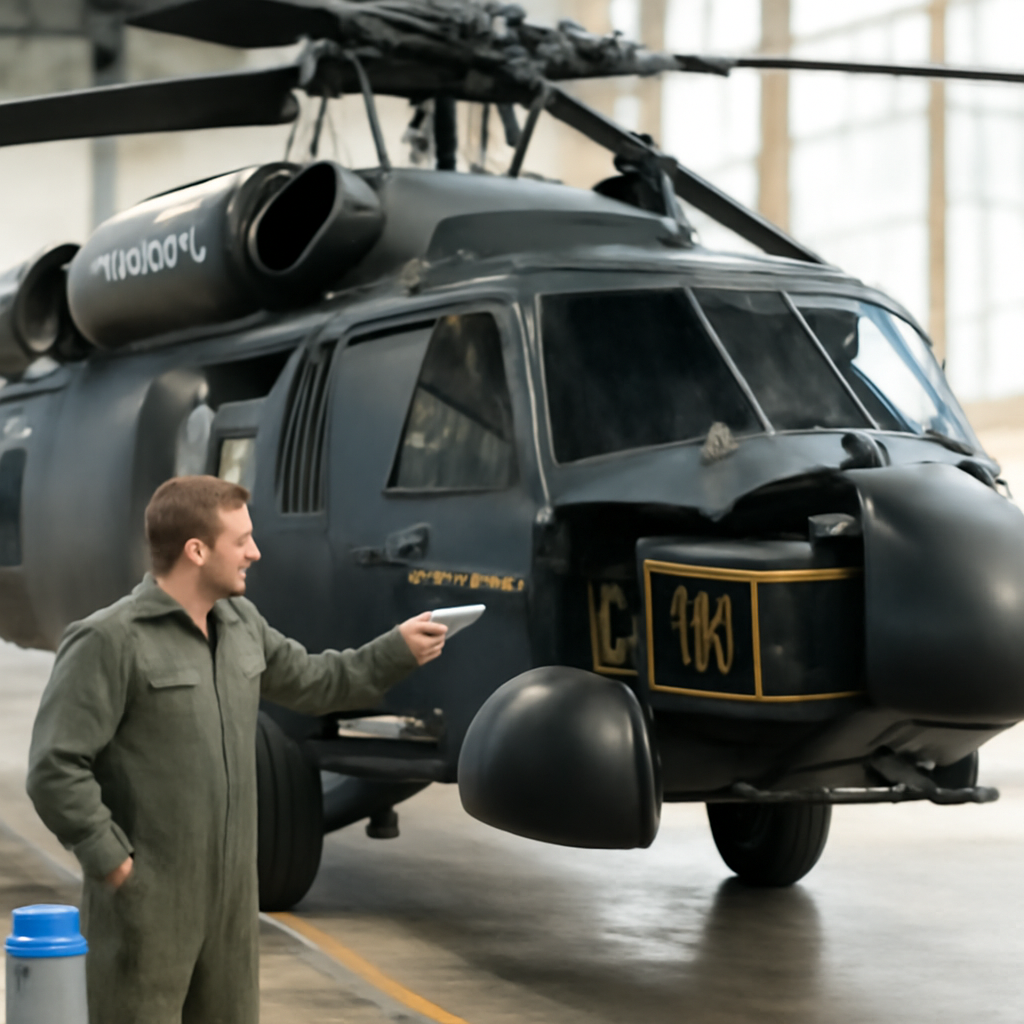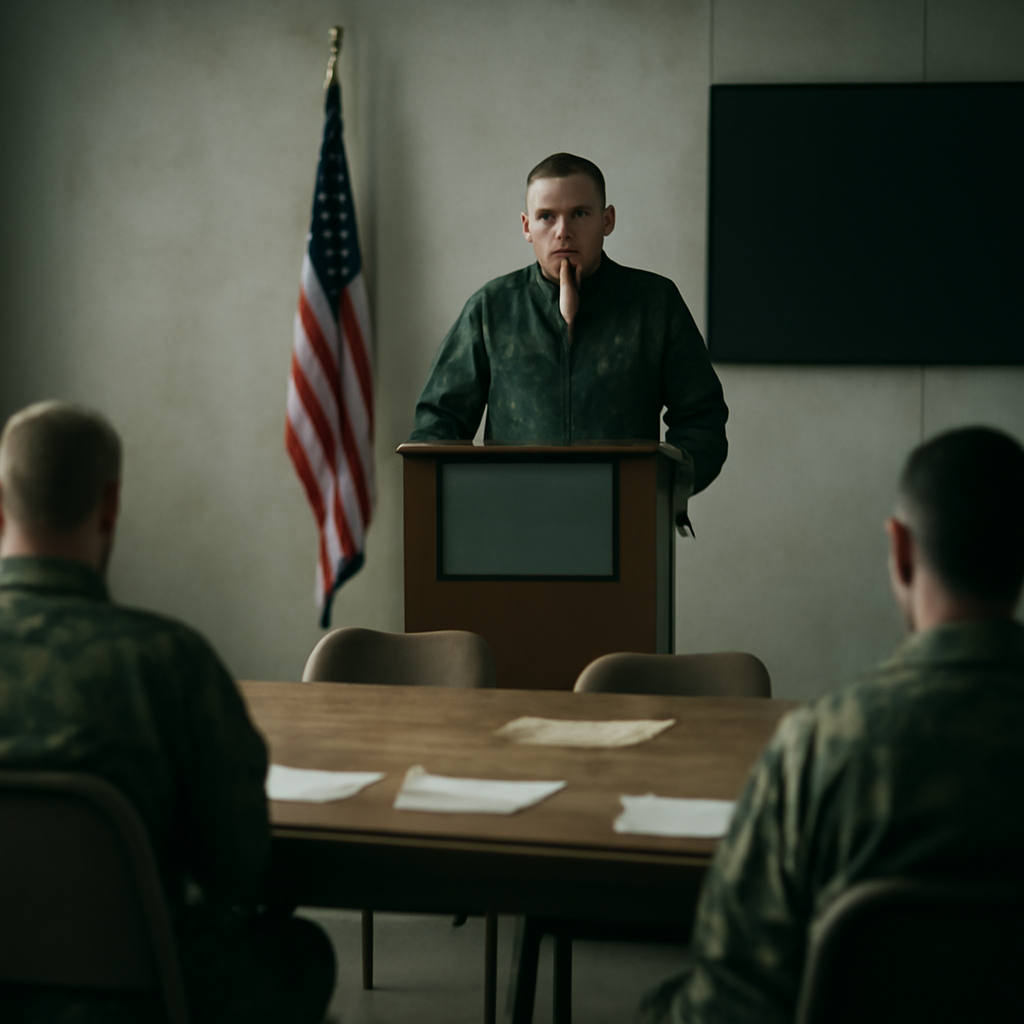
"We are opening up an entirely new realm in Marine aviation here," Col. Richard Rusnok said, describing unmanned wingmen as a potentially "seismic" change for the service.
Col. Richard Rusnok on unmanned wingmen and the Cunningham Group role
Col. Richard Rusnok, head of the Cunningham Group Branch whose analysis informs key Marine Corps aviation programs, framed the service’s effort to field drone wingmen as transformational. The Cunningham Group provides input to the Collaborative Combat Aircraft (CCA) effort and is guiding developmental steps that the service expects to complete over the next several years.
Kratos XQ-58 Valkyrie, MUX TACAIR, and the near-term timeline
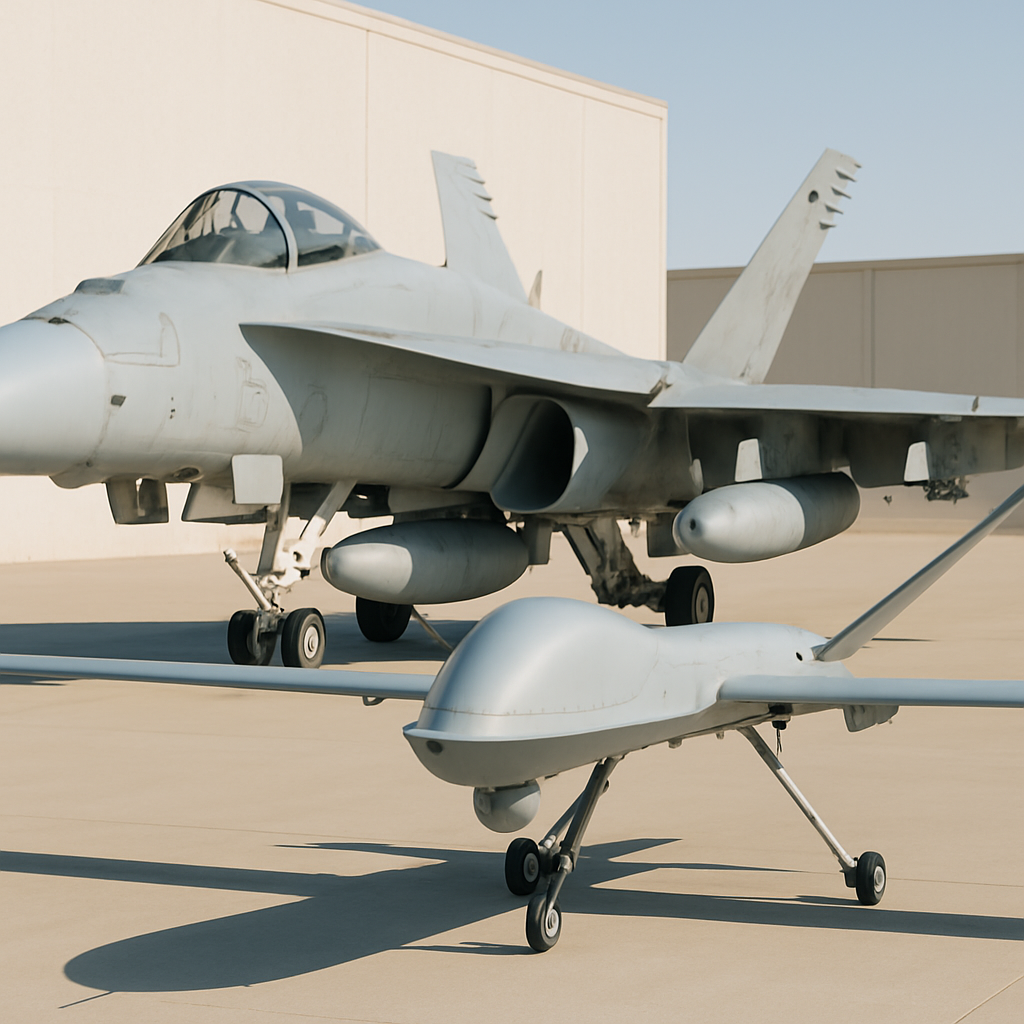
The Marine Corps selected Kratos’s XQ-58 Valkyrie as part of a Northrop Grumman‑led team for the first round of its CCA initiative, known as Marine Air‑Ground Task Force Uncrewed Expeditionary Tactical Aircraft (MUX TACAIR). Rusnok said the service is working with contractors to add landing gear for conventional takeoff and landing and will carry out developmental testing “over the next couple years” to validate the air vehicle in that configuration.
Mission systems integration is planned to proceed during the same two‑to‑three year window, Rusnok said. The program will then move to operational testing with the Marine Corps VMX‑1 test squadron beginning in “about 2029,” after which the service intends to begin fielding the unmanned wingmen for combat.

This site is the portfolio.
OSINTSights runs on Cloudflare Workers, D1, R2, and Vectorize, with an AI pipeline on Hetzner ARM. Nubivance designed, built, and operates it. We do the same for clients.
See what we buildRoles envisioned for Collaborative Combat Aircraft
Officials described the CCA family as unmanned wingmen designed to operate in tandem with manned fighters. The Marines envision these aircraft performing discrete tasks such as carrying additional missiles or ferrying extra sensors to extend battlespace awareness. Rusnok said the drones are expected to be cheaper than manned aircraft while opening new employment concepts for Marine aviation.
Rusnok framed the change in historical terms: the shift could be as significant as the introduction of rotary‑wing aircraft to the fleet in the 1950s, underscoring that the Corps intends to "start out small, work our way up" as it operationalizes new concepts.
Maj. Michael Zbonack on moving ISR from COCO to organic Group 3 UAS
Separately, Maj. Michael Zbonack addressed intelligence, surveillance and reconnaissance (ISR), arguing that mid‑size drones — referred to as Group 3 UAS — create a path for the Marines to reduce reliance on contractor‑owned, contractor‑operated (COCO) services. Zbonack said Group 3 systems can provide "persistent overhead coverage for Marines on the ground" and cited value propositions including scalable production and austere launch and recovery operations.
Responding to a question from Breaking Defense, Zbonack said the short term outlook still looks like "continued COCO support," noting that the Navy and Marine Corps have previously issued awards for drone‑based ISR services. He added that technological advances expected in the coming years will drive a decision point where officials will "survey what’s available" and determine "whether or not we want to acquire a specific system."
Zbonack also described a binding aspiration across unmanned platforms: a common controller software solution that would allow Marines to hand off control of systems based on battlefield dynamics. Lt. Col. Ben Link, who heads the Cunningham Group’s future vertical takeoff and landing concepts, emphasized avoiding bespoke solutions, saying "We don’t want bespoke solutions" and highlighting the importance of open architecture to add, drop, change and manipulate capabilities.
What this means for contractors, Marine aviators, and ISR planners
- Contractors: Firms supplying airframes, landing‑gear modifications, mission systems, and ISR services will remain central through the developmental and early operational phases; the service’s emphasis on non‑bespoke, open architectures signals a preference for interoperable systems rather than single‑vendor lock‑ins.
- Marine aviators and test units: VMX‑1 will be the operational testbed starting in about 2029, and aviators can expect phased introductions and incremental capability growth as the Corps "starts out small" and scales employment concepts for unmanned wingmen.
- ISR planners: The move toward Group 3 UAS for organic ISR offers a pathway to regain persistent overhead coverage currently performed under COCO contracts, but Zbonack’s comment that short‑term reliance on COCO will continue underscores a transition period that planners must manage.
The Marines have set a clear sequence: land‑gear modifications and developmental flight testing in the near term, mission‑systems work over two to three years, then operational tests with VMX‑1 around 2029 before fielding. Alongside that timetable, the service is pursuing a common controller and open architectures to avoid vendor lock and to enable distributed operations. What remains is whether the technical integrations, production scaling and doctrinal changes will align on the projected timeline — and how quickly organic ISR can supplant contractor‑provided coverage that has, in the past, included manned contractor flights with serious safety consequences, including a crash in the Philippines last year that killed four aboard, one of them a Marine.