When does a machine cease to be mere equipment and become a soldier? In the dense forests and shattered landscapes of Sumy Oblast, Ukraine’s newly deployed “Lyut” unmanned ground combat vehicle offers a glimpse of warfare’s evolving face—where steel, circuit boards, and remote operators now confront human adversaries on the front line. The Defense Intelligence Directorate (GUR) of Ukraine has brought this combat robot into active use against Russian forces, marking a significant milestone in the integration of robotics within modern conflict.
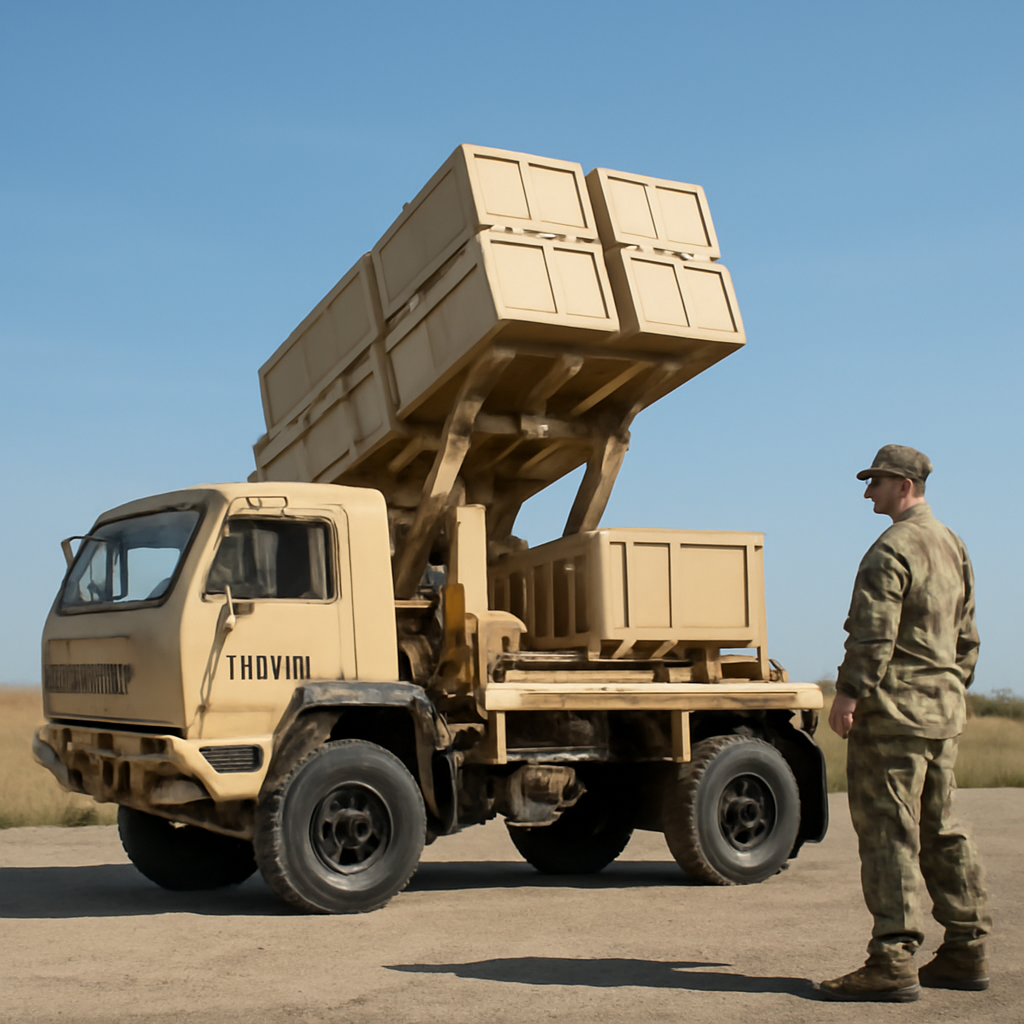
Exclusive footage released by the Defence Blog reveals the Lyut robot navigating a treacherous battlefield marked by fallen trees, shell craters, and uneven terrain. Armed with a 7.62mm PKT machine gun, the remotely operated vehicle demonstrated the capability to maneuver independently and engage targets effectively. This isn’t just an engineering achievement; it is a tactical evolution in Ukraine’s ongoing defense efforts amid Russia’s continued incursions.
The genesis of the Lyut combat robot must be understood against the backdrop of a war that has relentlessly challenged traditional military paradigms. Ukraine has long faced the difficult task of countering a numerically and technologically superior adversary. In response, the country’s defense sector has accelerated innovation, blending domestic ingenuity with lessons drawn from global technological trends. The Lyut, developed and deployed by GUR, embodies this push toward leveraging autonomous and semi-autonomous systems to augment manpower and reduce battlefield risks for soldiers.
For policymakers and military strategists, Lyut’s deployment signifies several critical shifts. First, it reflects a broader trend in modern warfare where unmanned ground vehicles (UGVs) are no longer experimental but essential. According to military analyst Michael Kofman of the Center for Naval Analyses, “Robotic combat systems like Lyut provide Ukrainian forces with enhanced situational awareness and firepower without exposing personnel to direct fire.” Such systems can fill the gap where drones and air assets have limitations due to terrain or air defense threats.
From a technical standpoint, the Lyut robot’s choice of a PKT machine gun—an established weapon in Eastern European arsenals—ensures logistical compatibility and ease of ammunition supply. Its ability to handle difficult terrain also addresses a common limitation faced by many UGVs, which often struggle in non-urban, rugged environments. Ukrainian engineers have reportedly optimized its mobility and remote control systems to maintain operational effectiveness even under hostile electronic conditions.
However, the deployment of combat robots like Lyut also introduces new complexities. Users on the ground must develop robust protocols for command, control, and integration with infantry units to prevent miscommunication or friendly fire. Adversaries, including Russian forces, are adapting as well, increasing efforts to jam communications or target vulnerable robotic platforms. Cybersecurity concerns loom large, as the potential for hacking or electronic warfare could turn a valuable asset into a liability.
Moreover, the psychological impact of unmanned combat vehicles on both Ukrainian soldiers and Russian troops warrants attention. As Jane’s Defence Weekly noted, “Robots in combat may reduce risk for operators, but they also challenge traditional concepts of valor, accountability, and the human cost of war.” Policymakers must weigh ethical considerations alongside strategic benefits as these machines take on more autonomous roles.
Despite these challenges, the introduction of the Lyut robot underscores Ukraine’s determination to innovate amid adversity. The move complements Western military aid, which has included advanced drones, armored vehicles, and intelligence support. It also signals a broader narrative of resilience and adaptation in the face of a protracted, asymmetric conflict.
As the Lyut moves silently across the battlefield—gunfire echoing in its wake—one must ask: in the era of robotic combatants, how will humanity redefine courage, responsibility, and the very nature of warfare itself? The answer may well shape not only the outcome of this conflict but the future of global military engagement.