Kratos' account and the paused flight program
Kratos provided a brief statement to TWZ saying the Valkyrie in a “test configuration” suffered a mishap after takeoff and that the event was part of the company’s ongoing R&D work to add configurations and capabilities. The company explicitly described the event as “Kratos internally funded R&D” and said flight test operations for the affected system have been “paused temporarily in an abundance of caution while we investigate the cause of the incident.”
Kratos declined to share additional details about the drone’s specific configuration when TWZ followed up. The company also noted it has “additional test systems ready once the investigation is complete,” signaling an intent to continue testing once investigators and engineers reach conclusions.
In a later conversation, Steve Fendley, President of Kratos’ Unmanned Systems Division, emphasized that he could not provide configuration details because they could affect the investigation. He framed the company’s approach as iterative — “we push the envelope across all of our system types” — and described a testing philosophy of rapid iteration that tolerates occasional failures as learning opportunities. Fendley contrasted this “more modern test approach” with what he called a “legacy traditional approach” that has “little or no tolerance for any missteps.”
Dugway Proving Ground and the August 4 test
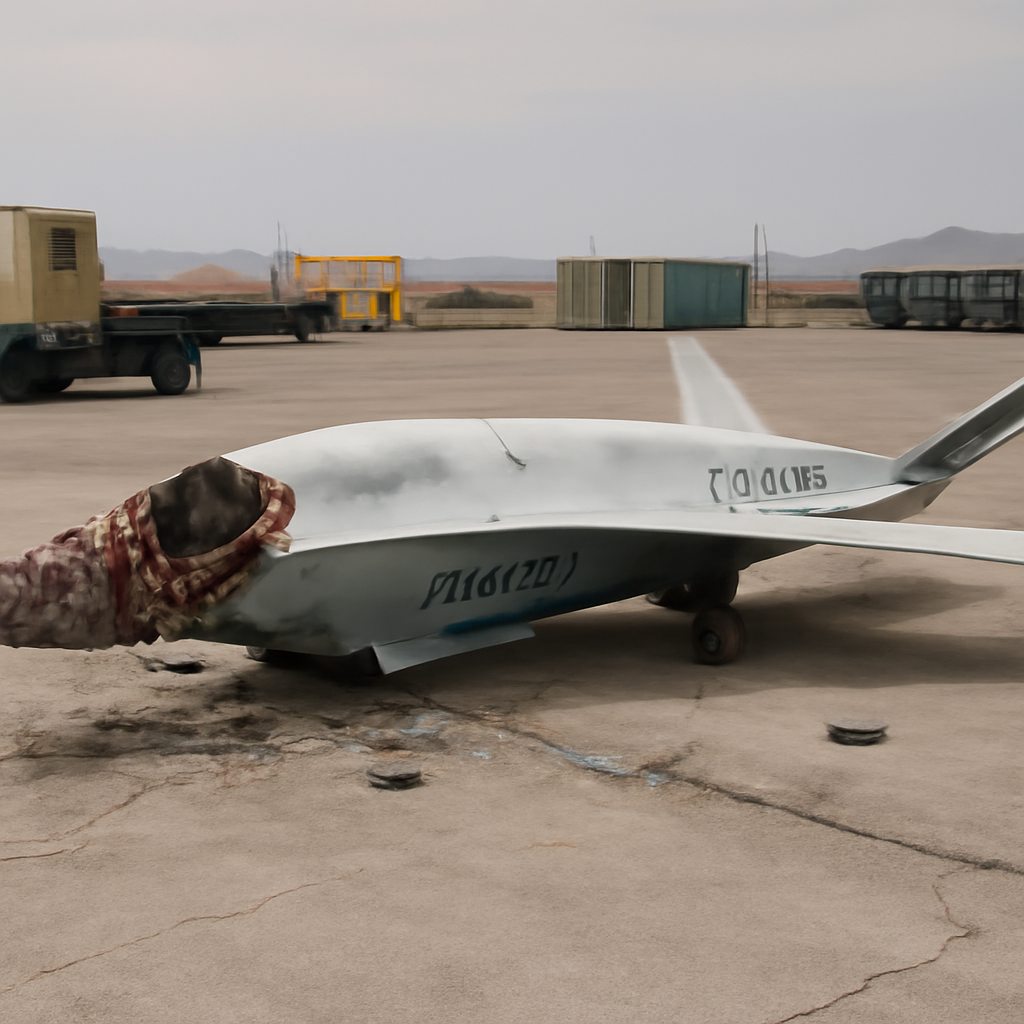
An installation spokesperson at Dugway Proving Ground confirmed to TWZ that an unspecified drone crashed on Tuesday at roughly 8:00 AM local time after takeoff from a test-range runway. The spokesperson clarified the aircraft was not owned or operated by the U.S. military. According to Dugway officials there were no casualties and no damage to buildings.
Michael Army Airfield at Dugway — where the event occurred — is regularly used for testing uncrewed aircraft by both the U.S. military and private companies. Dugway also supports a broader portfolio of research, development, and test-and-evaluation activities, including work focused on defense against chemical and biological threats.

The cyber insurance questionnaire just landed. Now what?
SOC 2, HIPAA, insurance renewals - someone has to own security strategy. Nubivance provides fractional CISO leadership without the full-time salary.
Get a security leadValkyrie variants: static-launch origin, trolley, and the CTOL program
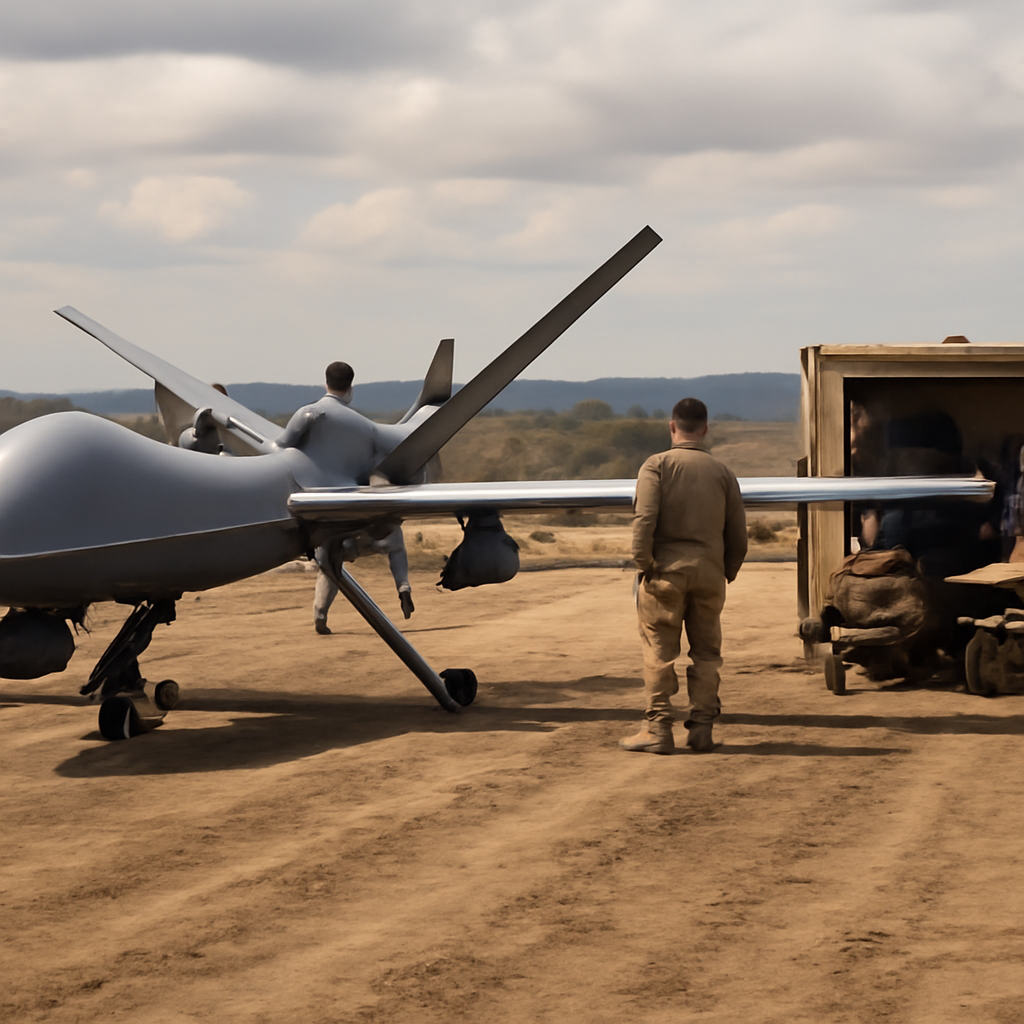
The drone involved was identified in reporting as a Kratos Valkyrie, also known by its airframe designation XQ-58. The Valkyrie family has been flying since 2019, with the U.S. Air Force the first known operator of the type. The platform was originally designed for rocket-assisted takeoffs via static launchers and recovery via parachute.
Kratos later developed a special launch trolley to allow Valkyrie airframes to take off from traditional runways, and in August 2024 the company announced a new Conventional Takeoff and Landing (CTOL) variant with built-in landing gear. Kratos said at the time it expected a first flight “soon.” In January, Kratos told TWZ that the CTOL target timeframe had moved to early 2026.
The company has stated the CTOL variants will retain the ability to be launched via rocket, keeping multiple launch and recovery options available across the family.
Marine Corps procurement under MUX TACAIR and delivery timing
Kratos confirmed to TWZ that the CTOL Valkyrie — sometimes referred to as the MQ-58B — is being developed in part for the U.S. Marine Corps. The Marines are acquiring the aircraft under the Marine Air-Ground Task Force Uncrewed Expeditionary Tactical Aircraft (MUX TACAIR) Collaborative Combat Aircraft (CCA) program.
The Marine Corps has stated plans to take delivery of its first MQ-58s in 2029, and the service has already been operating XQ-58 variants in preliminary testing and groundwork for future collaborative combat aircraft fleets.
What this means for Kratos, the Marine Corps, and Dugway Proving Ground
Kratos: The company has paused flight operations for the affected system and launched an investigation. Kratos’ public comments indicate an intent to continue development after analysis, and the firm says it has other test systems ready to resume activities once investigative gates are cleared.
U.S. Marine Corps: The crash touches a program for which Kratos is developing a CTOL/MQ-58B variant specifically cited as part of Marine procurement plans under MUX TACAIR. The Marines’ target delivery date of 2029 for the first MQ-58s remains a stated schedule point; how this mishap will affect that timeline will depend on the investigation and subsequent test pacing.
Dugway Proving Ground: The site continues to function as a civilian and military flight-test hub. Site officials confirmed the aircraft was not a military asset, and that there were no injuries or building damage. Dugway’s role as a range for private- and government-operated uncrewed systems means it will remain a focal point for follow-up testing and safety reviews tied to this event.
More remains to be learned about the crash and how it might affect the Valkyrie family’s development path and scheduled deliveries. Kratos’ temporary pause, the company’s stated availability of additional test systems, and the formal investigation are the immediate next steps named on the record.