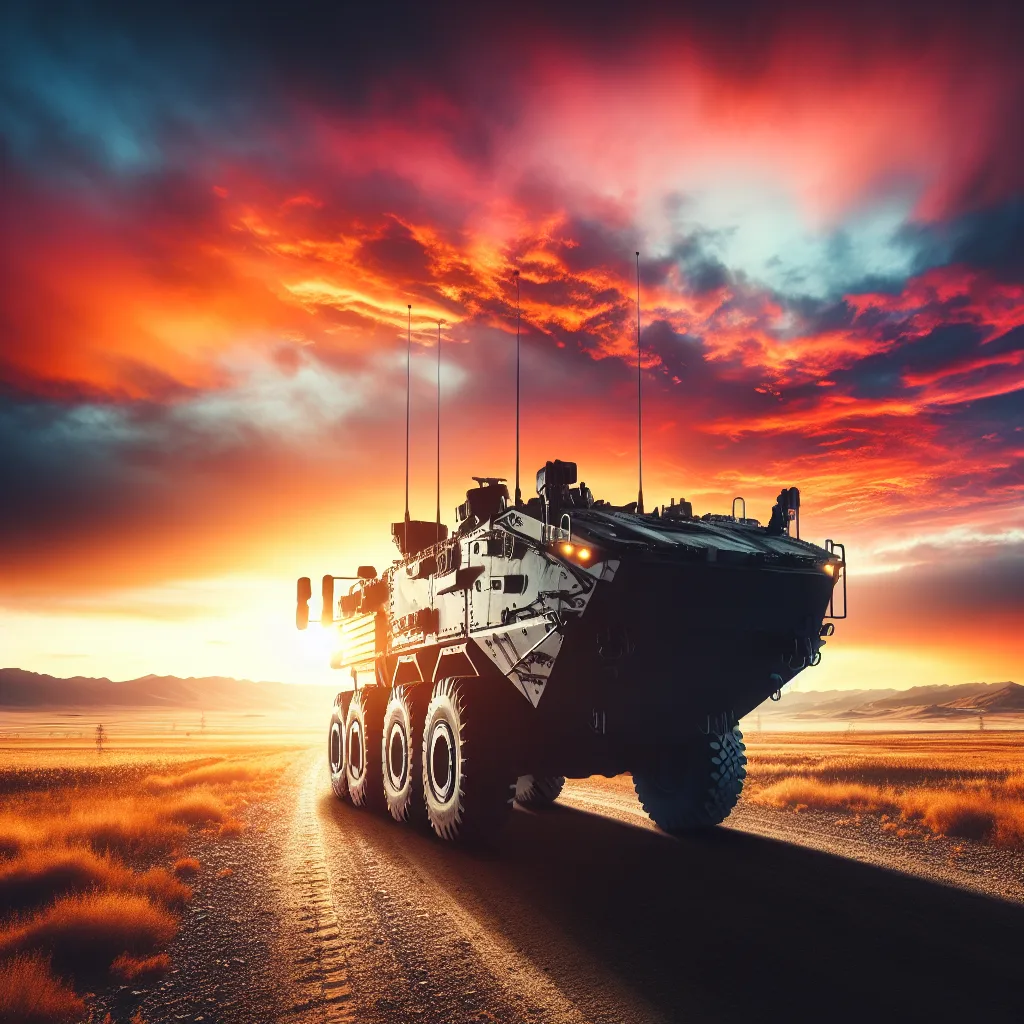
Kazakhstan Pioneers Modern Combat Mobility with Taimas 8×8
In a bold stride toward modernizing its land forces, Kazakhstan has unveiled the Taimas 8×8—a cutting-edge wheeled infantry fighting vehicle designed in close collaboration with defense industry leaders from Türkiye and China. Displayed during a high-profile military parade in Astana, the new combat vehicle signaled not only a technological leap for Kazakhstan’s military capabilities but also the fruition of a trilateral partnership underscoring regional defense interdependence.
At the heart of the showcase were senior representatives from Chinese defense manufacturer Norinco and Turkish firm Otokar, both integral to the Taimas 8×8’s development. Their presence, alongside top Kazakh military officials, underscored how international collaboration can yield innovative platforms for land warfare in a time when rapid technological evolution on the battlefield is both a strategic asset and a necessity.
Historically, Kazakhstan has navigated the complex landscape of post-Soviet security challenges, seeking to redefine its defense posture while balancing relations with traditional allies and emerging partners. Since independence, the nation has gradually shifted from legacy equipment towards a blend of domestic advancements and imported technologies. The Taimas 8×8 is the latest manifestation of that shift, born out of a partnership that marries Kazakh strategic ambitions with Turkey’s expertise in armored fighting vehicle design and China’s expansive manufacturing capabilities.
For decades, Kazakhstan’s military strategy has emphasized versatility and mobility, attributes that are indispensable in the vast steppes and varied terrains of Central Asia. The Taimas 8×8, with its eight-wheeled configuration, is expected to dramatically enhance rapid deployment and operational flexibility, allowing Kazakh forces to respond more nimbly to both internal security challenges and external contingencies. This move reflects a broader global trend of re-evaluating armored vehicle design to favor mobility and network-centric warfare capabilities over traditional heavily armored, tracked platforms.
During the parade, the new vehicle was not just a technical marvel—it was a statement. In a region where evolving security threats demand rapid responsiveness, the Taimas 8×8 has been engineered to function in multifaceted roles: from reconnaissance and infantry support to possible mechanized warfare. Observers noted that the vehicle’s design appears to incorporate advanced electronics, situational awareness systems, and improved crew survivability measures, paralleling developments seen in other contemporary wheeled combat vehicles globally.
Defense analysts point out that the trilateral development effort is emblematic of a growing practice of cross-border cooperation in military technology. For example, Turkish Otokar has long been at the forefront of wheeled armored systems, while Chinese Norinco brings a robust production capacity and a track record of outfitting integrated digital battle networks. Meanwhile, Kazakhstan’s involvement ensures that the final product caters specifically to the geographic and tactical needs of its armed forces. As a result, the Taimas 8×8 exemplifies how strategic partnerships can be leveraged to produce systems that are both advanced and regionally tailored.
The implications of this development extend beyond a single nation’s military inventory. With geopolitical tensions simmering in various parts of the world, the emergence of the Taimas 8×8 signals a proactive stance by Kazakhstan—one that prioritizes modern defense capabilities amid a changing security landscape. Analysts believe that such advancements could also alter the dynamics of regional power balances, encouraging neighboring countries to reassess their own military modernization strategies.
Industry experts emphasize that the key to the Taimas 8×8’s significance lies not just in its technological attributes, but in what it represents. In an era marked by hybrid warfare and rapid digital transformation, adaptability and technological integration have become as crucial as raw firepower. By partnering with Turkey and China, Kazakhstan is not merely acquiring hardware—it is integrating a wealth of technical expertise and operational doctrine that could inform future joint exercises, defense procurement policies, and even broader strategic alliances in Central Asia.
Consider the following aspects that highlight the significance of this development:
- Strategic Mobility: The eight-wheeled design offers unprecedented maneuverability in diverse terrain conditions, aligning with Kazakhstan’s doctrine of rapid force deployment.
- Enhanced Survivability: With advancements in armor technology and digital countermeasures, the Taimas 8×8 aims to protect its crew against modern anti-tank weapons and improvised explosive devices.
- Interoperability: The trilateral development model fosters closer ties among Kazakhstan, Türkiye, and China, potentially paving the way for further joint military exercises and coordinated defense strategies.
- Economic and Industrial Impact: Beyond immediate defense benefits, the project stimulates domestic industries and serves as a catalyst for regional technological transfer and economic integration.
When pressed for analysis, Defense News editor Michael Isaev noted, “Partnerships of this nature highlight a shift from conventional arms procurement to a more integrated approach where technological development is collaborative. It is a testament to how modern defense needs are driving nations to look beyond old alliances towards more dynamic, multi-vendor solutions.” His remarks underline a broader trend: modern military build-ups increasingly reflect not merely a stockpiling of equipment but a commitment to strategic interoperability with regional partners.
Observing these developments, stakeholders also point to the broader economic and diplomatic landscapes. Kazakhstan’s decision to advance its military capabilities through such a partnership speaks to its efforts to diversify its sources of defense technology—a move that could ultimately reduce reliance on legacy suppliers and foster a self-sufficient defense industry.
Looking forward, several key issues are likely to influence how the Taimas 8×8 impacts Kazakhstan and the wider region. Defense analysts expect that further iterations of the vehicle may continue to benefit from incremental upgrades, particularly as integrated warfare—where digital systems coordinate with physical assets—becomes the norm in modern combat scenarios. Additionally, the success of the Taimas 8×8 may spur additional contracts and lead to an expansion of cooperative initiatives among the participating nations, thereby reinforcing a more interconnected defense network in Eurasia.
There is also the potential that the Taimas 8×8 will set a benchmark for future wheeled combat vehicles in the region. Military planners, both in Kazakhstan and beyond, are watching closely to see if this model can offer a balanced mix of mobility, firepower, and survivability in the face of contemporary threats. As armed forces globally pivot towards disorderly and networked warfare, a successful demonstration by Kazakhstan could serve as a case study in effective defense modernization.
Yet, with every modernization effort comes inherent uncertainty. The effective integration of new technologies, training of personnel, sustained investment, and the unpredictable nature of regional conflicts all mean that the road ahead requires cautious optimism. Still, the Taimas 8×8 stands as a tangible sign that Kazakhstan is resolutely committed to evolving its military doctrine in step with global advancements.
In the final analysis, the unveiling of the Taimas 8×8 is more than a ceremonial parade exhibit; it is a comprehensive statement on the future direction of Kazakhstan’s defense strategy and a reminder of the enduring power of international collaboration. As nations worldwide strive to keep pace with rapid technological change, the coming years will reveal whether this innovative vehicle will shape the contours of modern armored warfare, or serve as a stepping stone towards even greater advancements in military mobility.
In a world where the balance of power is renegotiated by advances in technology and evolving defense doctrines, one question remains: Can collaborative innovation like that seen with the Taimas 8×8 redefine how nations think about warfare in the twenty-first century?



