"Our pilots can reach any point in the skies of Iran, and they are prepared to do so if required. We have incredible aircraft and we have incredible pilots," Prime Minister Benjamin Netanyahu said, as Israel announced a major expansion of its combat aviation force.
What the Ministry of Defense announced
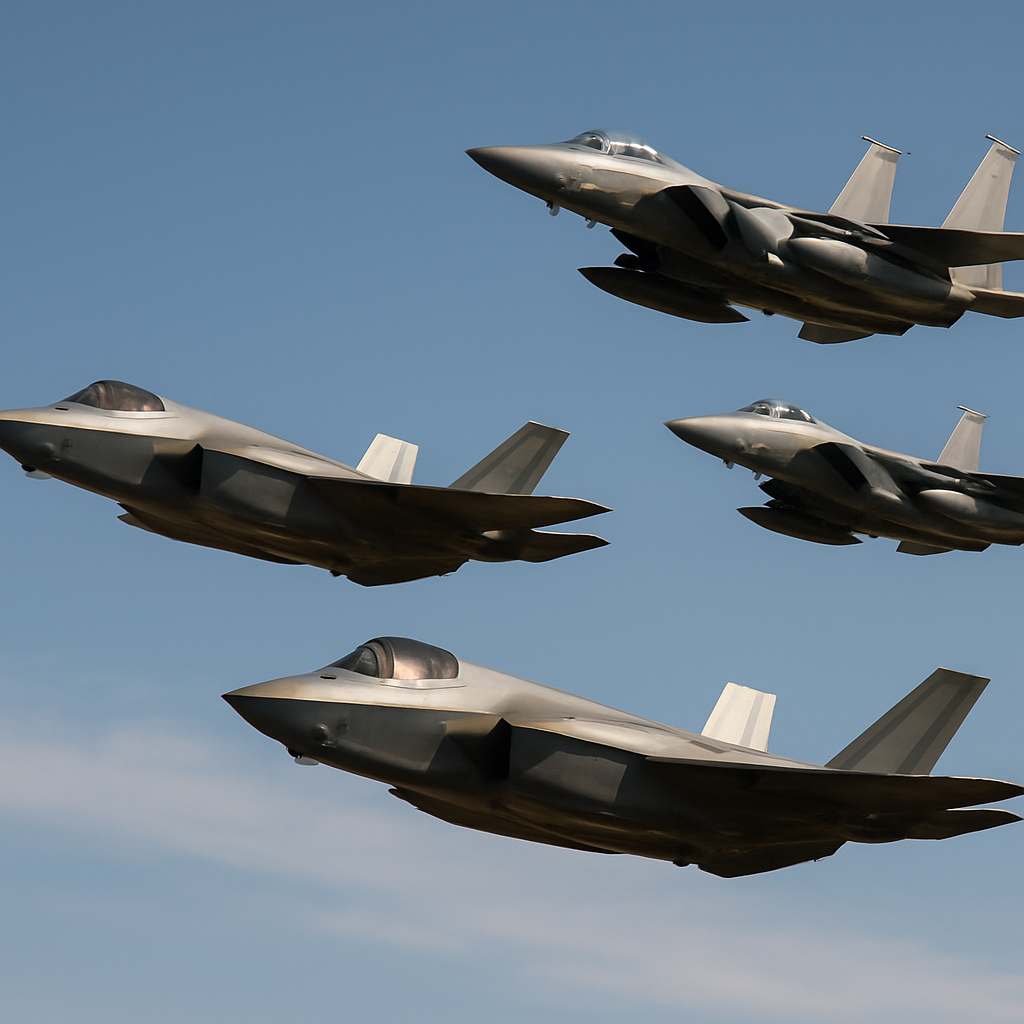
Israel’s Ministry of Defense said the country will acquire a fourth squadron of F-35 Joint Strike Fighters and a second squadron of F-15IA fighter jets. Each squadron will amount to 25 new warplanes. The ministry described the deals as "valued at tens of billions of NIS" and said they "include full fleet integration into the Israeli Air Force, comprehensive sustainment, spare parts, and logistics support," but it provided no specific details on final price or timeline.
The ministry added that Israeli officials in the US will begin moving forward on next steps to finalize the agreement with Washington.
F-35I and F-15IA: fleet history and scale
Israel has been operating the F-35I Adir for years. The country first sent a Letter of Request for the F-35 in 2009, leading to a deal in 2012. The first F-35s arrived in 2016 and Israel flew the first known combat operations with the jet in 2018. A second F-35 squadron was opened in 2020; in 2024 Israel moved forward to acquire a third squadron, bringing the total of F-35 airframes on order to 75, of which 48 are currently active.
Today’s announcement would boost the F-35I fleet to 100 planes. According to a January 2026 fact sheet from Lockheed cited in the announcement, only the US, UK, Italy and Japan have acquired more of the fifth‑generation plane; Australia, like Israel, is seeking 100 F-35s. The statement also noted that over 1,300 F-35s had been delivered by January 30, 2026.
On the F-15IA side, Israel is still in the process of acquiring its first squadron under a $5.2 billion deal signed in November 2024. The F-15EX platform is being procured more broadly: the announcement noted the US Air Force also announced plans to expand its procurement of the F-15EX.

This site is the portfolio.
OSINTSights runs on Cloudflare Workers, D1, R2, and Vectorize, with an AI pipeline on Hetzner ARM. Nubivance designed, built, and operates it. We do the same for clients.
See what we buildLeaders tying procurement to recent campaigns and long-term plans
The announcement and accompanying statements linked the purchases directly to recent operations and future deterrence. Prime Minister Netanyahu referenced the jets as reinforcing "overwhelming air superiority," saying that superiority "was proven in Operation Rising Lion and now in Operation Roaring Lion."
Defense Minister Israel Katz said the recent conflict with Iran, which the ministry described as beginning on February 28 with Israeli and US strikes on Iran, "proved the air force’s role in protecting the country." Katz added that "The lessons of that campaign require us to keep pressing forward on force buildup, to ensure air superiority for decades to come. The F-35 and F-15IA acquisitions are central to the ‘Shield of Israel’ plan, which is designed to give the IDF a lasting qualitative edge."
Ministry Director General Amir Baram framed the approval as the "first major step in executing the 350-billion-NIS force buildup plan for an intense security decade ahead," saying the new squadrons' "complementary capabilities" will give the Israeli Air Force flexibility across a broad range of combat scenarios.
IDF force expansion beyond fighters
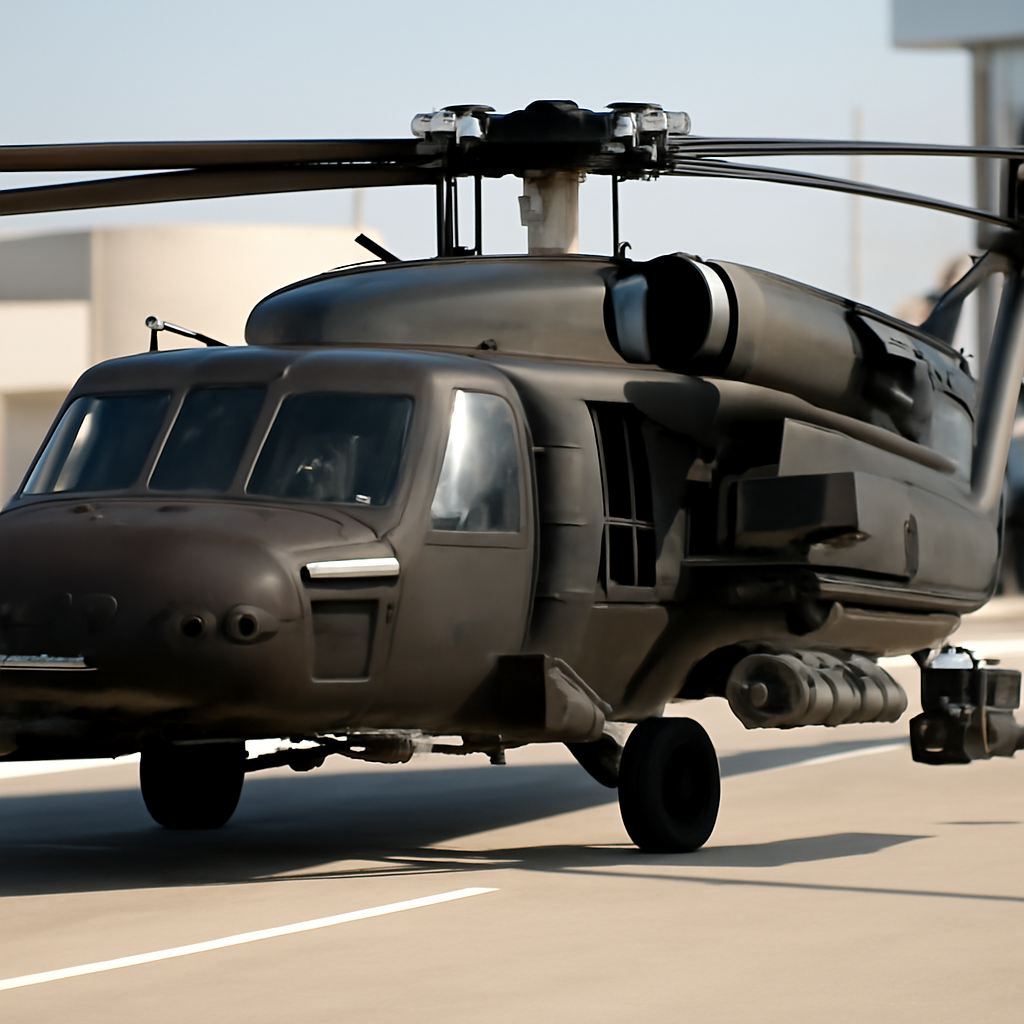
The fighter purchases are part of a broader expansion of Israel’s military capabilities. The ministry highlighted a 2022 deal for CH-53K heavy-lift helicopters and new KC-46A refuelers, a plan to acquire 30 new Apache helicopters while retaining existing combat helicopter squadrons, and investments in domestic munitions production. Katz said the air force will "be expected to lead a major technological leap — integrating autonomous flight capabilities, next-generation defense systems, and establishing Israeli military dominance, both defensive and offensive, in space."
The ministry also noted parallel expansion of ground forces with new units, an enlarged armored corps, and new artillery.
What this means for the Israeli Air Force, the US government, and defense suppliers
- Israeli Air Force: The two new squadrons aim to preserve what the ministry called long-term strategic air superiority and to give the service "flexibility to handle a broad range of combat scenarios." Reaching 100 F-35Is would place Israel among the largest non‑U.S. operators of the aircraft.
- The US government: The ministry said Israeli officials in the US will move to finalize the deals with Washington. Separately, the announcement noted that the US approved Israel to procure 10,000 Advanced Precision Kill Weapon Systems (APKWS) at an estimated price tag of almost $1 billion.
- Defense suppliers: Lockheed Martin and Boeing are named as manufacturers of the F-35 and F-15EX (F-15IA in Israel) respectively; spokespeople for Lockheed and Boeing "could not immediately be reached for comment" according to the report. The ministry’s description of sustainment, spare parts and logistics support signals significant follow‑on business for vendors and integrators.
The procurement moves are presented by Israeli officials as a coordinated, multiyear push: they are the "first major step" in a 350‑billion‑NIS buildup intended to secure a qualitative edge over the coming decade. Israeli officials will now take the announcements to Washington to finalize the next steps — while the ministry continues to expand the force across air, ground and munitions production lines.