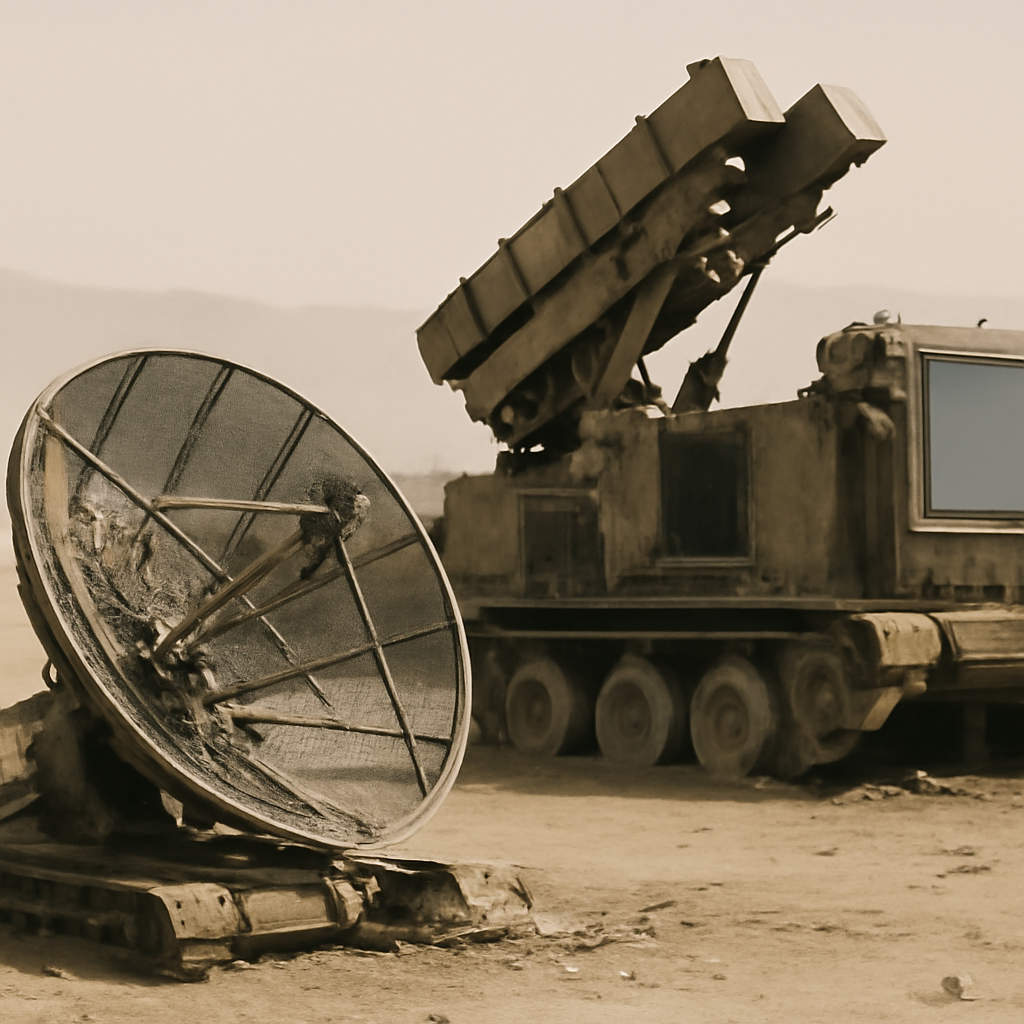
"The US definitely secured a military win and the Iranian regime perhaps emerged strategically stronger," the article notes — a concise contradiction that defines the conflict's uneasy aftermath.
US military effects: damage to nuclear sites, air defences and C2
The combat phase delivered clear, measurable results. According to the piece, "the US and Israeli campaign inflicted substantial damage on Iran’s nuclear infrastructure, air defences and command and control networks." That military weakening is described as a net benefit to the international community insofar as it reduced Iran’s immediate nuclear capability and its ability to support proxy operations.
The Switzerland memorandum of understanding and Iran’s immediate gains
The ceasefire and related arrangements now being negotiated in Switzerland produced concrete short-term outcomes for Tehran. The article lists three: the ceasefire itself, the lifting of the naval blockade, and the restoration of oil waivers that return Iranian crude to market via the Strait of Hormuz. Crucially, the more difficult items — a "lasting resolution of the nuclear question, verifiable curbs on Iran’s ballistic missile program and an end to its support for regional proxies" — have been deferred to a final agreement, the timing and substance of which remain uncertain.

This site is the portfolio.
OSINTSights runs on Cloudflare Workers, D1, R2, and Vectorize, with an AI pipeline on Hetzner ARM. Nubivance designed, built, and operates it. We do the same for clients.
See what we buildAmerican political limits: elections, allies and the president’s timetable
The shape and timing of the deal, the article argues, reflect waning American appetite for continued confrontation. It cites "mounting US political demands for resolution before the November midterm elections," complaints from NATO and Asian allies about economic pain, and "quiet pressure from Gulf allies anxious for de‑escalation on their shores." The article also suggests that "Donald Trump’s wish to let the pomp and ceremony of the US’s 250th anniversary next month take centre stage may have also played a part" in accelerating negotiations.
Lebanon and Israel: vectors that could undo stability
Lebanon is flagged as a potential fault line for the Switzerland understanding. The article stresses that whether the arrangement survives events in Lebanon depends partly "on how much pressure Trump can or will exert on Prime Minister Benjamin Netanyahu to restrain Israeli operations there." It notes that Israel was not a party to the understanding and that Tehran could likely absorb "low‑intensity Israeli activity in Lebanon without abandoning the deal, but not an Israeli major assault or a sustained military presence there." The piece underlines that neither Washington nor Tehran fully controls that possibility.
China and the lesson of endurance
Beijing is watching both the military outcome and the political aftermath. The article says China "can only be alarmed by the military destruction that Iran has copped" and that Chinese planners must weigh a renewed American willingness to use force. Yet the more consequential lesson, it argues, concerns endurance: the conflict raises questions about the "durability of American political resolve, alliance cohesion, economic resilience and public support over time." For China, any future crisis — the article notes — would be measured in months or years, and Beijing will therefore assess both US capability and staying power.
What this means for Canberra, Gulf allies, and NATO and Asian partners
- Canberra: The article urges Australia to place West Asia more centrally in its strategic thinking. A Gulf where maritime traffic and energy flows can be subject to Iranian leverage, a shifted regional deterrence balance, and possible friction between Washington and Europe all shape "the strategic environment Canberra has to plan against."
- Gulf allies: Described as a source of "quiet pressure" on the United States, Gulf partners want de‑escalation on their shores and influence timing and terms of negotiation through that leverage.
- NATO and Asian allies: These partners are said to be "complaining of economic pain," a factor that contributed to reduced appetite for extended confrontation and that will inform their future willingness to sustain costs alongside the United States.
The central paradox the article leaves on display is this: tactical battlefield success can coexist with strategic resilience. Iran has been materially weakened but remains politically entrenched; it has pocketed immediate gains from a Swiss memorandum of understanding while the harder, verifiable constraints on its programs await a final agreement. The danger, as the piece frames it, is not an over-generous deal but a deferred settlement that never arrives — one that allows Tehran to enjoy short‑term relief while the unanswered questions that produced the confrontation remain. Whether that deferred half is ever delivered is the pivotal uncertainty that will determine whether the apparent "win" becomes lasting peace or merely a pause before the next phase.
Source: The Strategist — The lesson of the Iran War may be staying power, not firepower