"We currently have no negotiations with the United States," Foreign Ministry Spokesperson Esmail Baqaei told reporters, according to the Iranian Fars news agency.
Iran and Oman: proposed inbound-control/outbound-routing deal
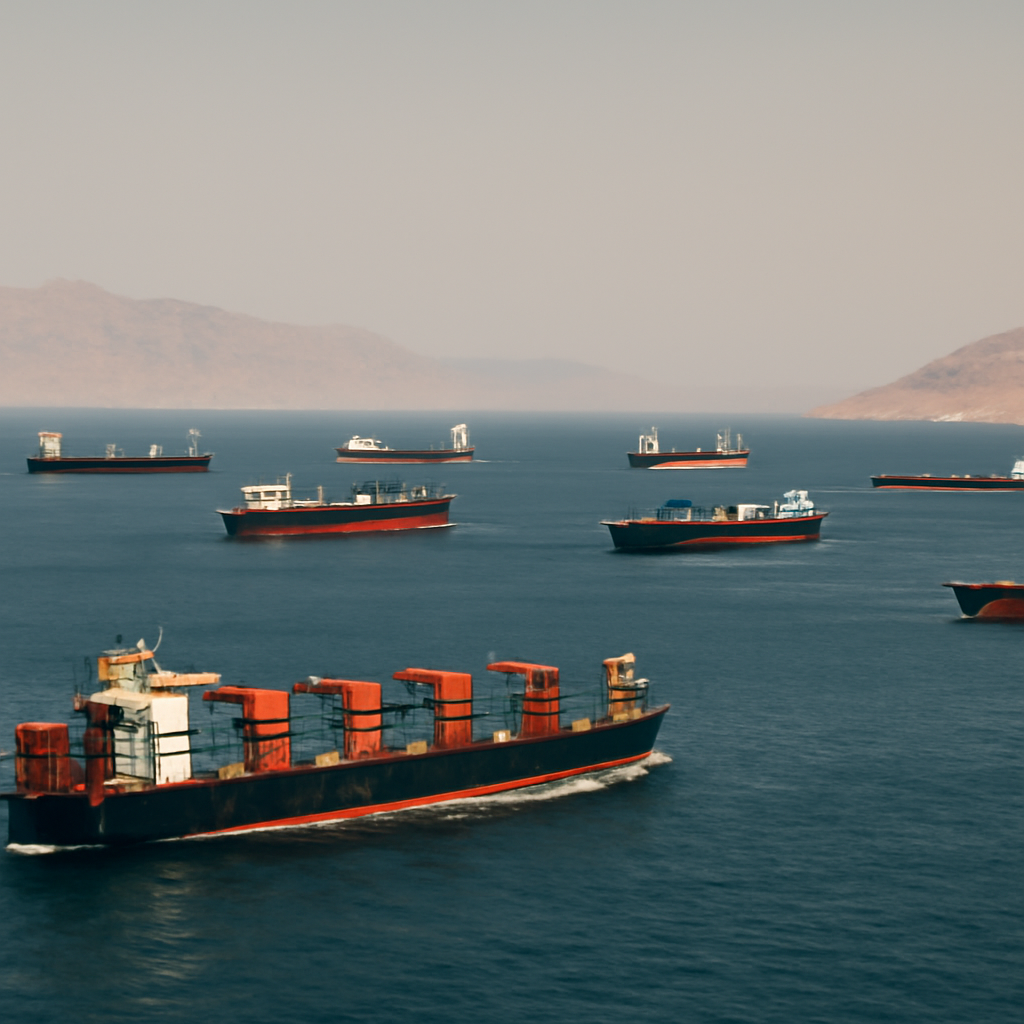
Iran and Oman are reportedly negotiating an arrangement that would route ships entering the Strait of Hormuz close to Iran’s coast while outbound traffic would use a channel nearer Oman, The New York Times reported. Under the emerging plan, vessels heading into the Persian Gulf would transit a channel controlled by Iran and close to its coast; ships leaving the Gulf would travel on a channel near Oman.
The accord, as described by two Iranian officials to the Times, would include service fees to cover environmental impact, cargo security and staffing, with revenues split equally between Iran and Oman. Iranian officials told the Times they would not impose tolls, but a U.S. official familiar with negotiations told the Times the Iranian account was "not accurate" and said any temporary routes would not involve approvals or permissions by Iran and would involve no tolls.
U.S. posture: Trump, Treasury Secretary Scott Bessent, and CENTCOM blockade
President Donald Trump has publicly pressed for the Strait to be open "for all with no fees," and on Monday he warned Iran to fully open the chokepoint "today or face new and more intense attacks" including strikes on powerplants, other civilian infrastructure and even leadership, the source reported. Trump told reporters he was giving Tehran a "last chance" and said he called off a major attack on Iran on Sunday to give diplomacy another chance.
Treasury Secretary Scott Bessent said talks with Iran were underway and that "there is a chance we may have a deal today or tomorrow to open the Strait and move towards a more normalized position in this conflict," telling CNBC's Squawk Box that any agreement "would be freedom of movement" and answering a question about tolls by implying openness to negotiations.
At the same time, United States Central Command (CENTCOM) continues to enforce a blockade of Iranian ports. CENTCOM stated on X that "as of Aug. 3, CENTCOM has redirected 44 commercial vessels, disabled 2, and boarded 2." The blockade remains a sticking point in negotiations, the reporting said.

Audit-ready is a season. It shouldn't be.
Evidence in spreadsheets, controls drifting between audits, frameworks multiplying on flat headcount. Nubivance runs continuous compliance on Rapid7 Cyber GRC - SOC 2, HIPAA, ISO 27001, PCI, CMMC.
End the scrambleMaritime violence: Minoan Pioneer strike and Houthi pressure on Bab al-Mandeb
Hostilities at sea continue even as talks and proposals circulate. A Liberian-flagged bulk carrier, the Minoan Pioneer, was struck by an unknown projectile near the Oman coast as it was leaving the Strait, a maritime security official told TWZ. The United Kingdom Maritime Trade Operations center (UKMTO) posted that it had received a military-source report of a mayday and that a second vessel relayed the first vessel had been struck in its engine room and crew accommodations; one crew member was reported missing and the remaining crew evacuated.
Separately, Houthi forces in Yemen maintain a blockade of the Bab al-Mandeb Strait. Windward maritime intelligence reported that Saudi-linked crossings through the strait fell to just 0.86 per day last week — the lowest recorded so far — with zero crossings on three of seven days; non-Saudi vessels held steady at an average of 37 crossings per day, about 22% below pre-announcement levels. The Houthis said they struck Najran Airport with a drone; TWZ noted it could not independently verify that claim.
U.S. military logistics: depletion of ATACMS, PrSM, and interceptor stocks
Rising combat demands have strained U.S. munitions. Reuters, citing people familiar with the data, reported that the U.S. Army has "used up much of its stockpile of highly accurate long-range missiles" since operations began on Feb. 28. The missiles principally identified are Army Tactical Missile Systems (ATACMS) and Precision Strike Missiles (PrSM); two sources told Reuters the U.S. has used "virtually all" of these weapons. Internal supply figures circulated inside the federal government amid discussions of how long strikes could continue without reducing capabilities to respond to other crises.
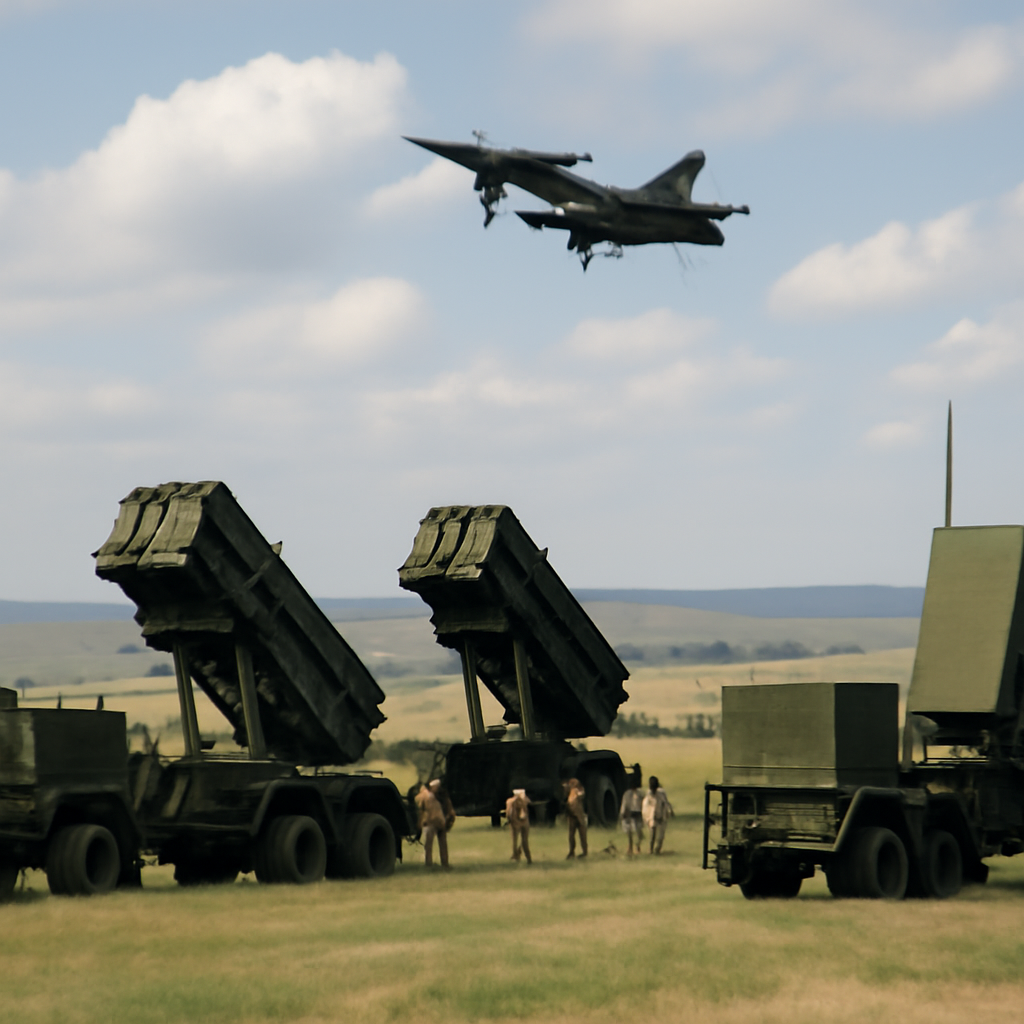
Concerns extend to air- and missile-defense interceptors. A publicly shared estimate noted that roughly a third of pre-war Patriot PAC-3 interceptors remain in U.S. inventory, underscoring the pressure on defensive magazine depth cited throughout the reporting.
What this means for commercial shipping, the U.S. Navy, and regional states
- Commercial shipping companies and crews: Vessel operators face altered routing and heightened risk. The proposed Iran–Oman routing would push inbound traffic close to Iran’s coast — a zone Tehran already favors — and the middle of the Strait remains deemed hazardous because of mine threats. UKMTO reporting of a struck vessel underscores continuing danger to commercial mariners.
- The U.S. Navy and CENTCOM: A routing scheme that places inbound transits deep in Iranian-controlled waters could force U.S. warships into cramped defensive positions and complicate operations. CENTCOM's redirection and interdiction activity (44 vessels redirected, 2 disabled, 2 boarded as of Aug. 3) shows active enforcement of U.S. measures even while diplomacy proceeds.
- Regional states and energy importers: The Houthi blockade of Bab al-Mandeb and the reduced flow through Hormuz are squeezing alternative export routes. Windward reported a collapse in Saudi-linked traffic through the Red Sea, and the reporting noted Asia's reliance on those Middle East energy shipments.
The pause in open combat has not erased risk. Iranian officials deny negotiations with Washington while pursuing an arrangement with Oman, the Strait remains punctuated by attacks on shipping, CENTCOM enforces a blockade, and U.S. forces are operating with stretched munitions inventories. Whether the proposed routing — and the financial and operational details that would accompany it — becomes durable depends on answers to practical questions the reporting leaves squarely in play: who will control approvals at sea, whether fees or "service charges" will be levied in practice, and how navies will manage protection if transits are confined near Iranian territorial waters.