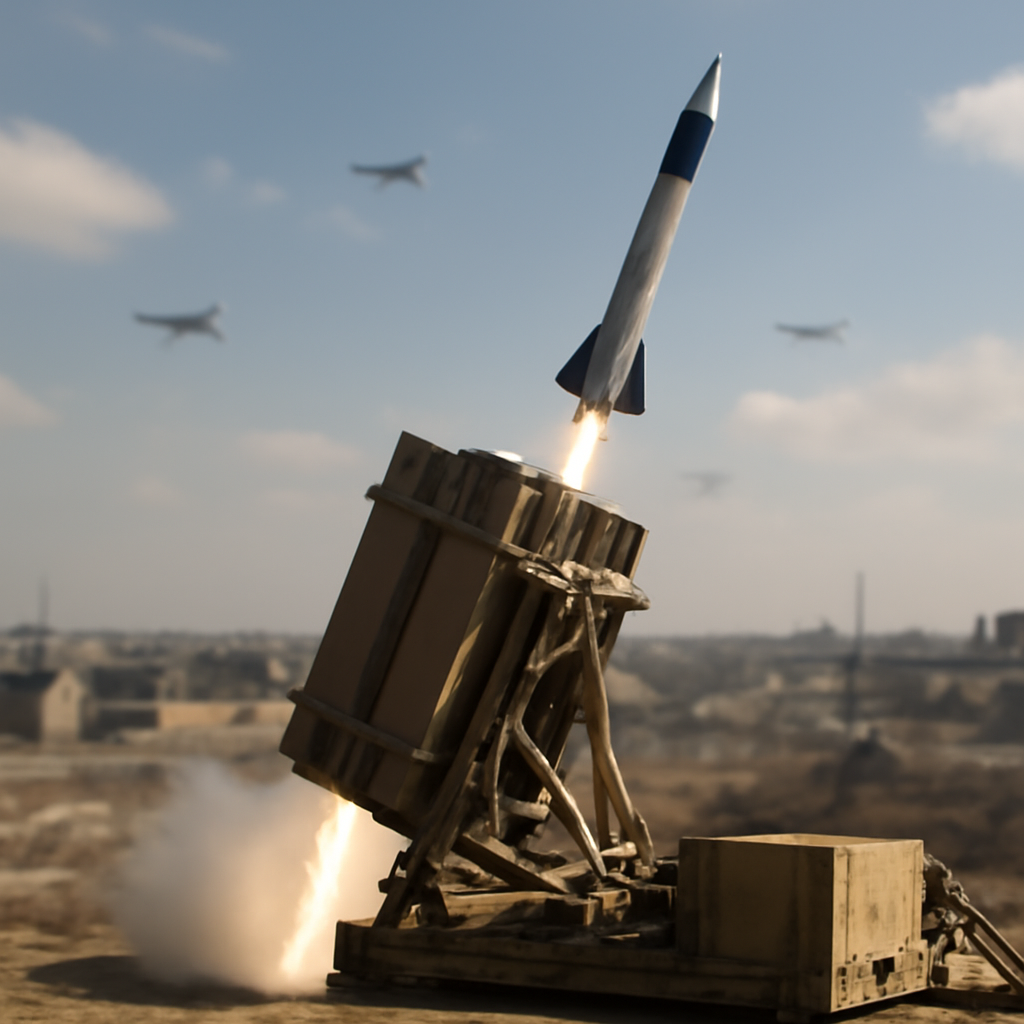
Cyber Resilience in Conflict: How Security Measures Fueled a Surprise Ukrainian Drone Strike
In a dramatic twist to an already tense conflict, Ukrainian forces reportedly executed a surprise drone attack on Russian strategic bombers—a maneuver that, according to a statement from the National Cyber Security Centre (NCSC), was enabled in large part by robust cybersecurity measures. This claim, made by a senior government security expert with direct involvement in Ukraine’s cyber operations, underscores the growing role of information security as a critical enabler on modern battlefields.
As modern warfare increasingly crosses digital boundaries, the question of how cyber defenses can protect—and even empower—physical operations is coming to the forefront. The NCSC, a trusted authority in the cybersecurity realm, explained that secured communications channels, resilient data networks, and robust counter-intrusion protocols played pivotal roles in ensuring that Ukrainian drone units could coordinate rapidly and undetected. This resilience allowed operators to outmaneuver adversaries whose attempts at digital disruption fell short.
Historically, conflicts in Eastern Europe have seen a melding of traditional combat operations with high-tech cyber strategies. For years, analysts have noted that Ukraine, often viewed as a testing ground for hybrid warfare, has invested significantly in modernizing its cybersecurity infrastructure. Many experts argue that these efforts were driven by a pressing need; as Russian cyber capabilities have grown, so too has Ukraine’s determination to fortify its own defensive—and offensive—cyber posture.
Recent months have highlighted cybersecurity as a strategic asset in military planning. The reported attack on Russian bombers is the latest illustration of this shift. While the technical specifics of the attack remain classified, officials involved in the analysis have pointed to coordinated measures that prevented signal interception and allowed for encrypted control of unmanned systems. These efforts, according to the NCSC commentary, created a “digital cloak” that concealed operational intentions from hostile surveillance systems.
Several points are worth highlighting when examining the implications of today’s events:
- Operational Security: Advanced cybersecurity measures minimized the risk of communications being decoded or disrupted, ensuring that tactical commands remained uncompromised.
- Interdisciplinary Coordination: The integration of cyber defense with conventional military strategy marks a departure from traditional approaches, emphasizing that protection is as much about technology as it is about manpower and conventional firepower.
- Global Implications: As nations worldwide observe these developments, the event may prompt adjustments in both cybersecurity policies and military doctrines, reinforcing the idea that digital strength is as critical as physical might.
The analysis provided by the NCSC offers an opportunity to reflect on how cybersecurity underpins national defense. By ensuring that operational communications are secure and obscured from adversary interference, Ukraine has demonstrated that cyber resilience is not merely a back-end support function but can be as decisive as any kinetic attack. Such insights, while technical in nature, have broader implications for how nations think about both defense strategy and public trust in government-protected critical infrastructures.
Experts in military strategy and cybersecurity alike point to the delicate interplay at work here. Former Director of Cybersecurity Programs at the Center for Strategic and International Studies, Dr. Michael Smith, has noted in previous research that “cyber defences can act as force multipliers, extending the effectiveness of military operations into realms where adversaries are less prepared to respond.” Although Dr. Smith was not directly connected to these events, his research underscores the tangible benefits of integrating cybersecurity with field operations—a sentiment echoed in the recent NCSC statement.
Observers caution, however, that while the immediate success of the attack is being widely reported, nations must remain vigilant. With cyber capabilities evolving at an unprecedented pace, today’s advantage may be tomorrow’s challenge. Policymakers, military strategists, and technologists need to regularly reassess their threat models, ensuring that digital advancements are matched by equally rapid innovations in defensive protocols.
Looking ahead, the ramifications of this incident will be felt in both cybersecurity circles and military theaters. Analysts predict that adversaries will likely adopt similar integrated approaches to safeguard their own operations, leading to an escalation in the sophistication of both cyber-attacks and defensive measures. Governments around the world are now pressed to invest further in research, development, and the cross-training of personnel in both cyber and traditional combat disciplines.
Ultimately, the incident serves as a powerful reminder of how the modern battlefield is being reshaped not just by firepower, but by the unseen algorithms, encrypted signals, and digital fortresses that defend critical operations. As nations weigh the balance between cyber offensive and defensive strategies, one is left to wonder: in a world where every byte can tip the scales of war, how will tomorrow’s operatives prepare for the next evolution of conflict?