Indonesian Defence Minister’s Moscow Visit Signals a Strategic Rethink
In a move that has quietly stirred debates on Indonesia’s evolving foreign policy, Indonesian Defence Minister Prabowo Subianto recently embarked on a trip to Moscow. Officials confirm that the minister’s agenda goes well beyond ceremonial appearances, aiming instead to fortify strategic ties with Russia—a development that underscores Jakarta’s drive to diversify its international alliances at a time when global geopolitical lines are redrawn.
The visit unfolded amidst mounting international attention to Russia’s role on the world stage, following its extensive engagements along Europe’s eastern borders and persistent military activities in several regions. With the Kremlin emphasizing its sovereign right to celebrate military history and strategic autonomy, Moscow’s Victory Day celebrations have increasingly become a stage for international diplomatic maneuvers. For Indonesia, a nation historically aligned with non-alignment principles and balanced global engagement, the attendance of a high-level official like Minister Subianto signals both an opportunity and a subtle recalibration of its own path.
As a country spanning thousands of islands with a rapidly expanding economy, Indonesia has always walked a delicate tightrope in its foreign policy. While its longstanding ties with the United States, China, and regional partners remain crucial for economic and security reasons, the new trajectory towards Russia represents a strategic diversification effort. In recent years, Jakarta has faced an array of challenges—from shifting economic alliances to the imperative of modernizing its defence capabilities. The recent Moscow visit should be seen in that context: a calculated step toward broadening strategic options while ensuring that Indonesia’s national security interests are met in an increasingly unpredictable global landscape.
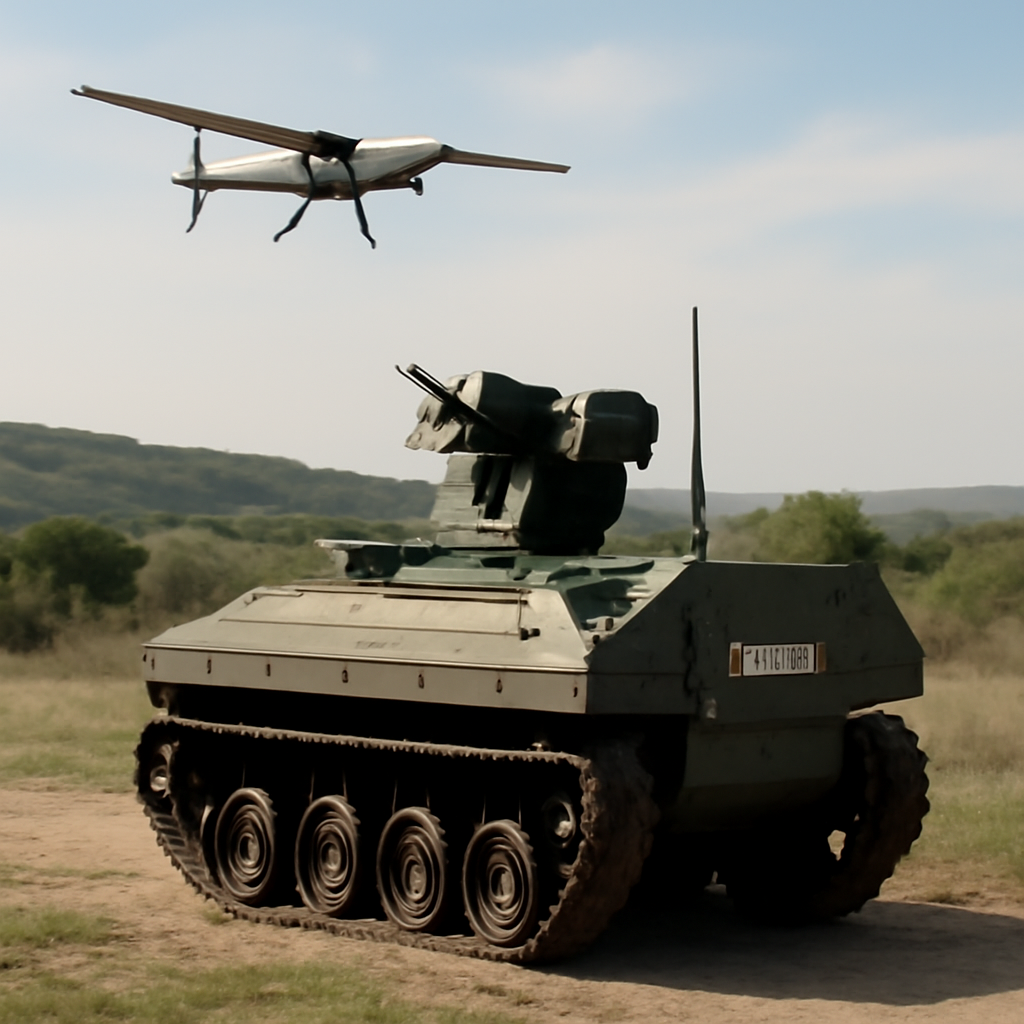
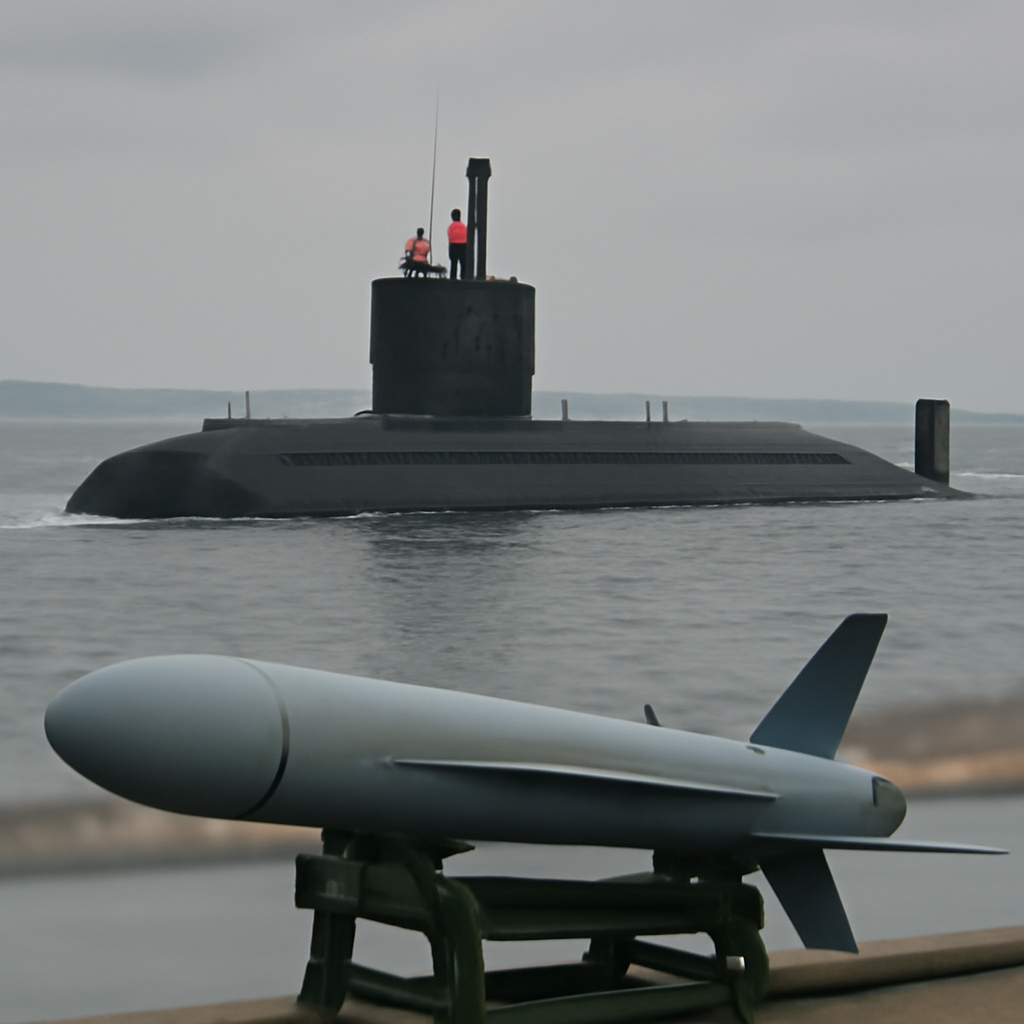
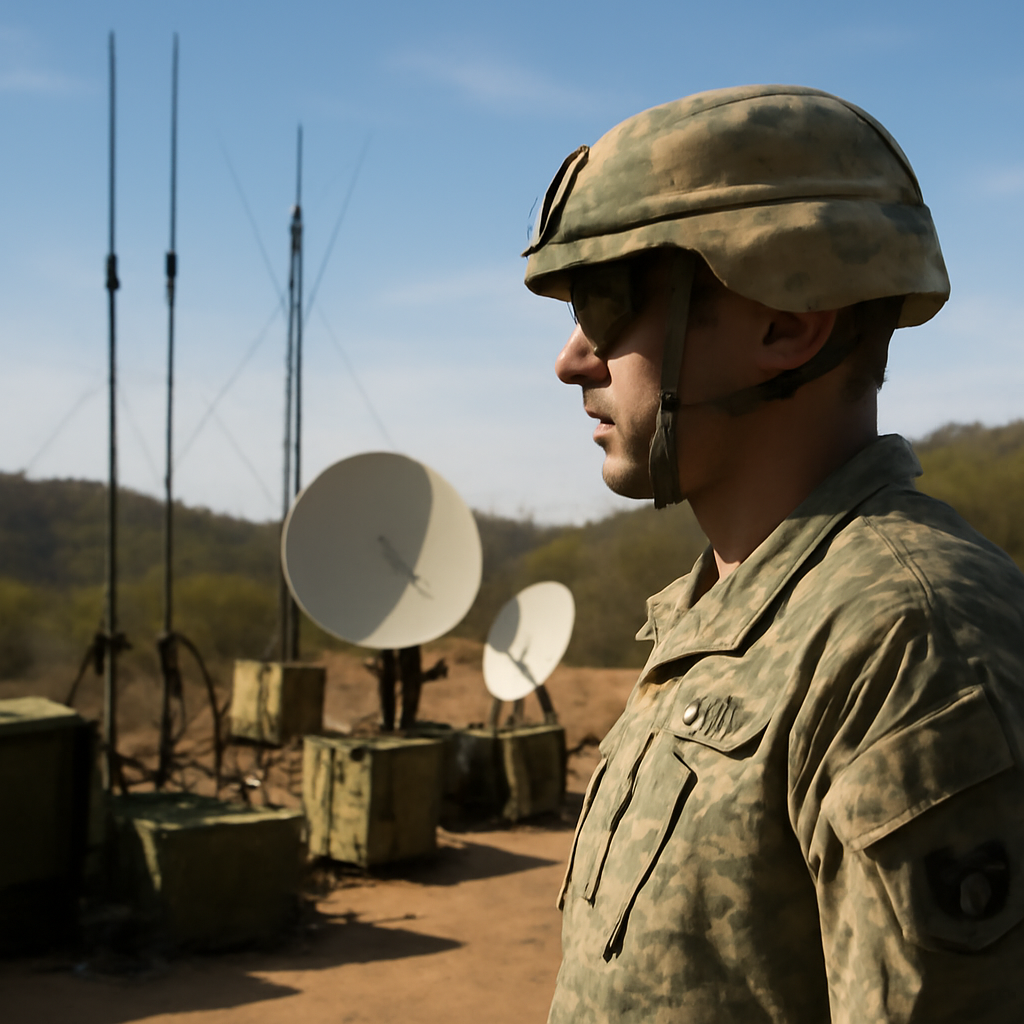
The timing of the minister’s trip could not be more pertinent. With the world continuing to grapple with lingering effects of past conflicts and the unyielding spectre of new technological warfare paradigms, fostering a multi-faceted security network has become a priority for many nations. For Indonesia, whose position as the world’s fourth most populous country necessitates a robust policy framework, diversifying its international partnerships is a logical, if complex, evolution. Russian expertise in areas ranging from cyber defence to advanced missile systems presents both opportunities and challenges—a balance that Jakarta appears determined to negotiate carefully.
Historical ties and diplomatic gestures matter. Indonesia’s foreign policy has long been underpinned by its adherence to principles of national sovereignty and pragmatic engagement. Following its independence, Jakarta navigated a tumultuous international environment, seeking to harness the benefits of multiple alliances while upholding its independent stance. In recent years, the country’s diplomatic overtures—including engagements with traditionally non-aligned powers—have picked up momentum. The potential for enhanced military-to-military cooperation, joint defense exercises, and technology transfers are all on the table, echoing Indonesia’s historical penchant for forging partnerships that enhance its strategic autonomy.
Officials within Indonesia’s defence establishment emphasize that this Moscow visit is neither a radical pivot nor a revisionist stance but rather a broadening of the country’s international portfolio. The Defence Ministry reportedly considers such strategic diversification necessary in today’s multipolar world. A senior spokesperson from the Indonesian Ministry of Defence, speaking on record, stated that enhancing dialogue with Russia would contribute positively to Indonesia’s national security posture without compromising existing commitments to allies in traditional spheres of influence.
Beyond the immediate postings and public appearances, there is an undercurrent of deliberation about the broader implications of such a visit. Indonesia’s strategy often entails a careful balancing act: embracing new opportunities while staying firmly committed to its established multilateral engagements. Analysts from the International Institute for Strategic Studies (IISS) highlight that the Russian engagement, while not unprecedented, signals a more assertive posture by Jakarta to leverage every available avenue in an increasingly competitive international arena.
- Strategic Diversification: Indonesia’s multifaceted approach to international partnerships illustrates an effort to secure access to a wider range of military technology and intelligence-sharing avenues.
- Defense Modernisation: With rapid technological advancements in global military capabilities, ministerial contacts in Moscow may pave the way for accelerated modernization initiatives across the Indonesian defence landscape.
- Geopolitical Signaling: The public nature of the visit, especially timed with Moscow’s Victory Day celebrations, is seen as a deliberate signal to both domestic and international audiences that Indonesia is actively reassessing its diplomatic calculus.
Critically, the human side of the story is not lost in these high-level discussions. For many Indonesians, national pride and the promise of enhanced security are intertwined with the government’s willingness to explore new avenues of cooperation. Local communities, especially those in regions vulnerable to regional security challenges, are closely watching how these engagements might translate into tangible improvements in defence preparedness and disaster response. At the same time, public discourse remains cautious, reflecting concerns about how closer ties with a nation under international sanctions might play out on the geopolitical chessboard.
International reactions have been mixed. Western nations and regional powers alike are monitoring the development, with some viewing the move as a rational diversification strategy, while others warn of the potential complications that might arise from deepening ties with a country whose ties to contentious conflicts have often complicated international relations. Experts from the RAND Corporation have pointed out that while such moves offer strategic benefits, they could also invite secondary challenges in the realm of diplomatic trust and alliance management. In an era where seemingly minor shifts can escalate into significant security dilemmas, Indonesia’s careful navigation of its partnerships will be closely scrutinized.
The minister’s decision to attend Russia’s Victory Day events is particularly noteworthy from a cultural and historical perspective. Russian military parades and commemorative events serve not only as demonstrations of martial pride but also as potent symbols of national resilience. By choosing to participate in these celebrations, Minister Subianto may be attempting to draw parallels between Indonesia’s own storied history of overcoming internal and external adversities and Russia’s narrative of triumph amid turmoil. Such symbolic gestures are laden with dual significance: they signal mutual respect and the potential for cooperation, while also subtly affirming Indonesia’s own strategic resolve in a complex international milieu.
Looking ahead, there are several key questions that will define Indonesia’s journey in recalibrating its foreign alliances. First, how will Jakarta balance these newly kindled ties with Russia against its preexisting commitments to traditional partners in Asia and the West? Second, what new forms of military or technical cooperation might emerge in the coming months, and how will they shape Indonesia’s defence capabilities? Finally, will this engagement serve as a catalyst for broader regional policy shifts, particularly among countries in Southeast Asia that have similarly diversified their foreign relations in the face of an uncertain global order?
Diplomatic observers caution that while the Moscow visit marks an important milestone, it is only one move on a long and intricate chessboard. Previous engagements between Indonesia and Russia have often been tinged with cautious optimism, and any further alignment will necessitate transparent dialogue and mutual respect. Both countries stand to benefit from increased cooperation in security and technological domains, yet each must contend with significant domestic and international pressures that have the potential to temper these ambitions.
As the fog of geopolitics continues to thicken, Indonesia’s decision to forge deeper ties with Russia is reflective of a broader shift in global alliances—one where traditional dichotomies give way to more nuanced, issue-based collaborations. In an environment marked by rapid technological changes, shifting economic landscapes, and evolving security threats, many nations appear to be rethinking old paradigms in favor of more flexible, multi-layered approaches to international relations.
While the long-term impact of Minister Subianto’s Moscow visit remains to be seen, observers agree that it has indeed opened a new chapter in Jakarta’s foreign policy. As Indonesia seeks to harmonize its commitments to national security, economic progress, and international diplomacy, its strategic recalibrations offer an insightful lens through which to view the challenges and opportunities of a multipolar world.
The unfolding developments serve as a reminder that, in international affairs, every diplomatic gesture carries weight. Perhaps most importantly, they underscore a universal truth: in a world defined as much by uncertainty as by opportunity, the willingness to engage with diverse partners—however controversial they may appear—remains crucial to achieving lasting security and progress. As Jakarta navigates these complex waters, the eyes of the world will be watching closely, wondering not only how alliances will shift but also what it means for the everyday citizen seeking peace and stability in turbulent times.